

WeVote

Bill

Bill

A 4994

Provides grounds for attachment and relates to procedures where employees may hold shareholders of non-publicly traded corporations personally liable for wage theft

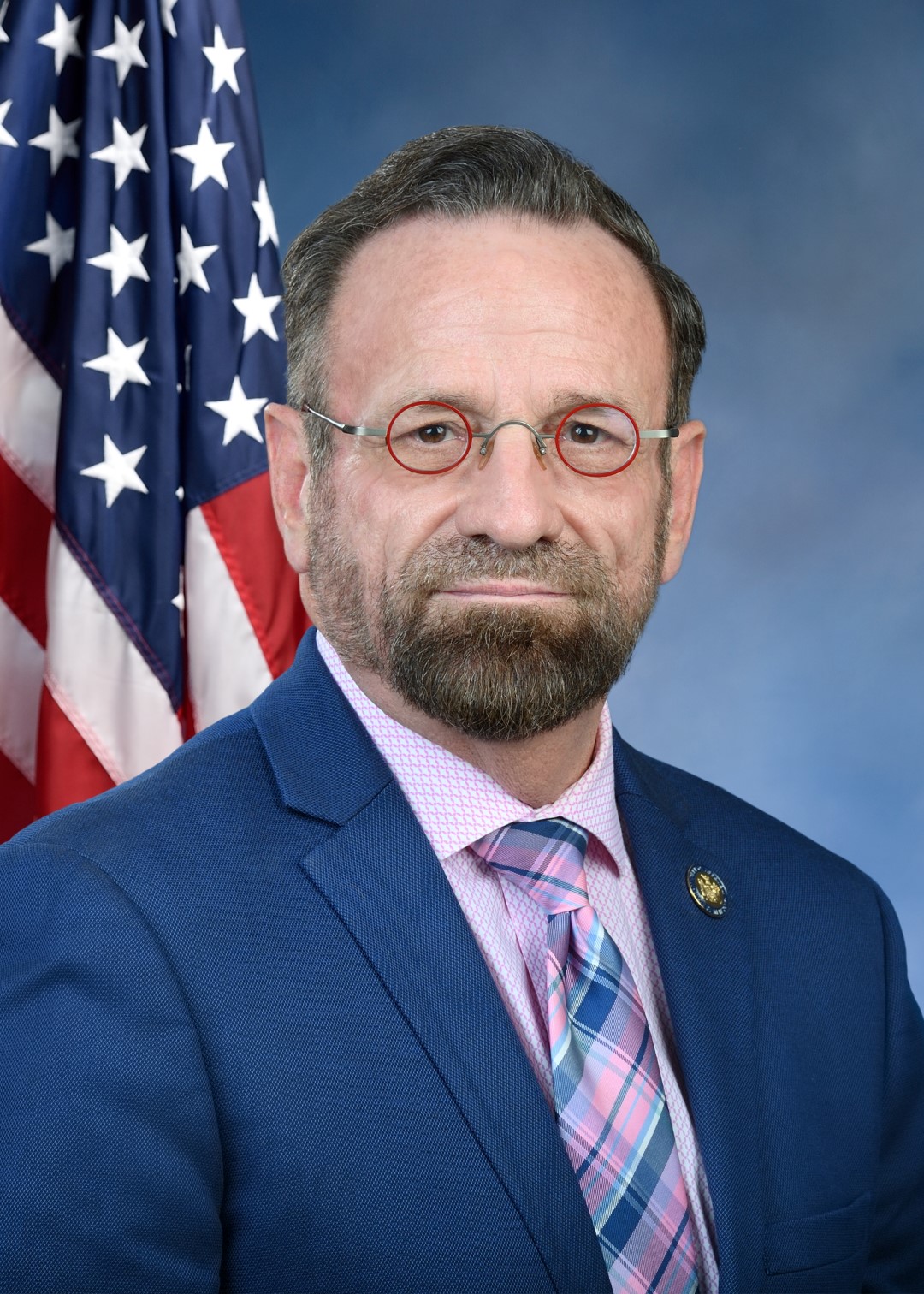
2025 Regular Session Introduced by Harry Bronson and 12 co-sponsors

Extends wage-theft liability to shareholders of closely held corporations, allowing personal recovery from individuals who control or benefit from unpaid wages.

REFERRED TO JUDICIARY
0
WeVote Research Nonpartisan
Bill Summary · A 4994

Summary: Bill A 4994

Overview

Bill A 4994 seeks to address wage theft by expanding liability beyond the corporate entity to the shareholders of non-publicly traded (closely held) corporations. The bill would establish grounds for attachment and create procedures that allow employees to pursue personal liability of shareholders in certain wage-theft scenarios. It is currently referred to the Judiciary Committee.

Purpose and Intent

  • To strengthen remedies for employees whose wages are unlawfully withheld or unpaid by closely held corporations.
  • To pierce or bypass the corporate form in specific wage-theft contexts, enabling individuals (shareholders) who control or benefit from the corporation to be held personally liable under defined circumstances.
  • To provide a clear procedural framework for attachment and collection in wage-theft cases involving shareholder liability.

Key Provisions (High-Level)

  • Grounds for Attachment: The bill would authorize attachment (seizure of assets) in wage-theft cases where a closely held corporation fails to pay wages and circumstances indicate that the corporate structure was used to shield individuals from liability.
  • Personal Liability of Shareholders: Shareholders of non-publicly traded corporations could be held personally liable for wages due to employees under specified conditions.
  • Procedural Framework: The bill would establish the method and process by which employees may pursue attachment and pursue shareholder liability, including potential notices, filings, and hearings.
  • Scope and Limitations: The provisions would specify the types of corporations affected (non-publicly traded) and set boundaries to avoid unintended broad application; details on defenses, exemptions, and procedural protections would be defined in the bill text.
  • Relationship to Wage-Theft Remedies: The act would complement existing wage-theft enforcement by adding a pathway to recover wages from individuals behind the corporate structure when wage obligations are not met.

Affected Parties

  • Employees who have experienced wage theft from a closely held corporation.
  • Shareholders of non-publicly traded corporations who may be personally liable under the bill’s grounds.
  • Closely held corporations and their officers/directors who could be implicated if the conditions for personal liability are met.
  • Employers and payroll administrators who must comply with wage-payment laws and related attachment procedures.

Procedural and Timeline Aspects

  • Status: Referred to Judiciary (as of introduction).
  • Introduced: February 10, 2025.
  • Legislative Actions: Referred to Judiciary on February 10, 2025 (listed twice in the record).

Related Bills

  • A 7752 (prior-session)
  • S 4611 (companion) — Senate counterpart

Sponsors

  • Primary: Linda Rosenthal
  • Cosponsors: Angelo Santabarbara, Sarahana Shrestha, Marcela Mitaynes, Jo Anne Simon, Zohran Mamdani, Claire Valdez, Harry B. Bronson, Karines Reyes, Yudelka Tapia, Manny De Los Santos, Harvey Epstein, Jeffrey Dinowitz
  • Note: The listed cosponsors indicate broad support across several assembly districts.

Potential Impacts and Considerations

  • Accountability: Could increase accountability for wage theft in closely held businesses by enabling personal recovery from shareholders.
  • Business Impact: May affect corporate structure choices and risk assessments for non-publicly traded firms; potential need for tighter payroll compliance and governance controls.
  • Due Process: Requires clear procedural safeguards to ensure shareholders are fairly treated and that attachment actions are used appropriately.
  • Fiscal/Administrative: Enactment would require administrative capacity to process attachments and determine shareholder liability; implementation details (timelines, fees, defenses) would be defined in the bill’s text.

Next Steps

  • Movement through the Judiciary Committee for consideration, potential amendments, and floor action.
  • Coordination with related Senate companion (S 4611) and prior-session A 7752 for alignment of provisions and timeline.

Compiled from official sources — confirm details with the bill’s official record.

Sign in to ask a question.