

WeVote

Bill

Bill

SF 3331

Providers of outpatient behavioral health services to be paid at least 143 percent of the Medicare rate requirement

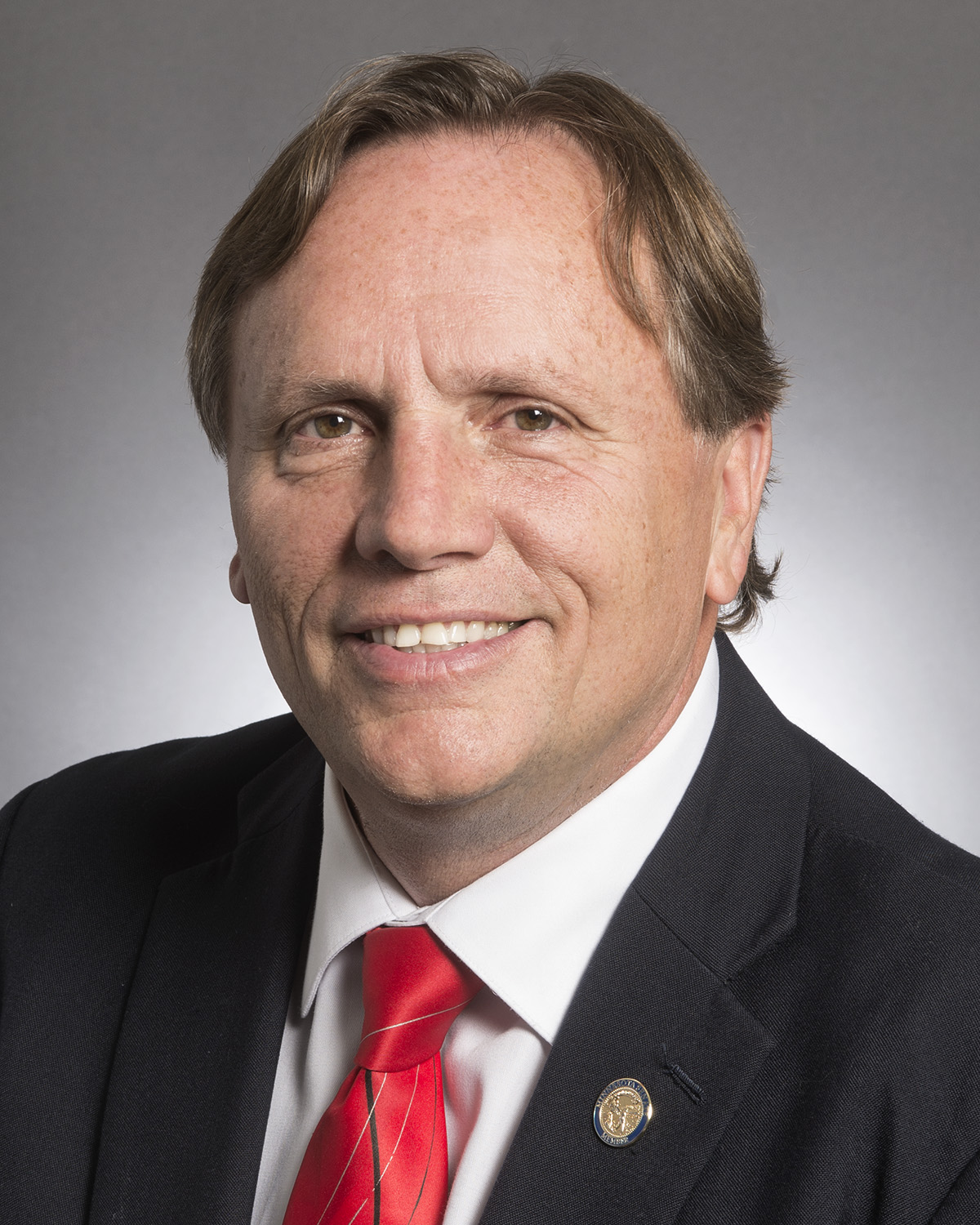
2025-2026 Regular Session Introduced by Jim Abeler and 1 co-sponsor

Minnesota bill requires private insurers to pay outpatient mental health providers at least 143% of Medicare rates to boost provider supply and reduce treatment access barriers.

Referred to Commerce and Consumer Protection
0
WeVote Research Nonpartisan
Bill Summary · SF 3331

Legislative bill overview

SF 3331 mandates that outpatient behavioral health service providers be reimbursed at a minimum of 143% of the Medicare rate by insurers in Minnesota. This sets a floor for payment rates specifically for mental health and substance abuse treatment services delivered on an outpatient basis, regardless of the payer type (private insurance, managed care, etc.).

Why is this important

Behavioral health provider shortages and low reimbursement rates have been widely documented barriers to mental health access. Higher payment rates could incentivize more providers to enter the field and expand services, potentially reducing wait times for care. However, this also increases costs for insurers, which may be passed to consumers through higher premiums or reduced coverage options.

Potential points of contention

  • Cost burden: Insurers and employers may argue the mandate significantly increases healthcare costs without guarantees of improved access, as increased reimbursement doesn't automatically create new providers or capacity
  • Provider definition scope: Ambiguity about which providers qualify (psychiatrists, psychologists, counselors, peer specialists) and which services are included could create implementation disputes and gaming of classifications
  • Market viability: Rural and underserved areas may still struggle to attract providers despite higher rates due to lower patient populations, potentially creating geographic equity issues rather than solving them

Compiled from official sources — confirm details with the bill’s official record.

Sign in to ask a question.