

WeVote

Bill

Bill

HB 768

Provide publicly funded child care to certain child care staff

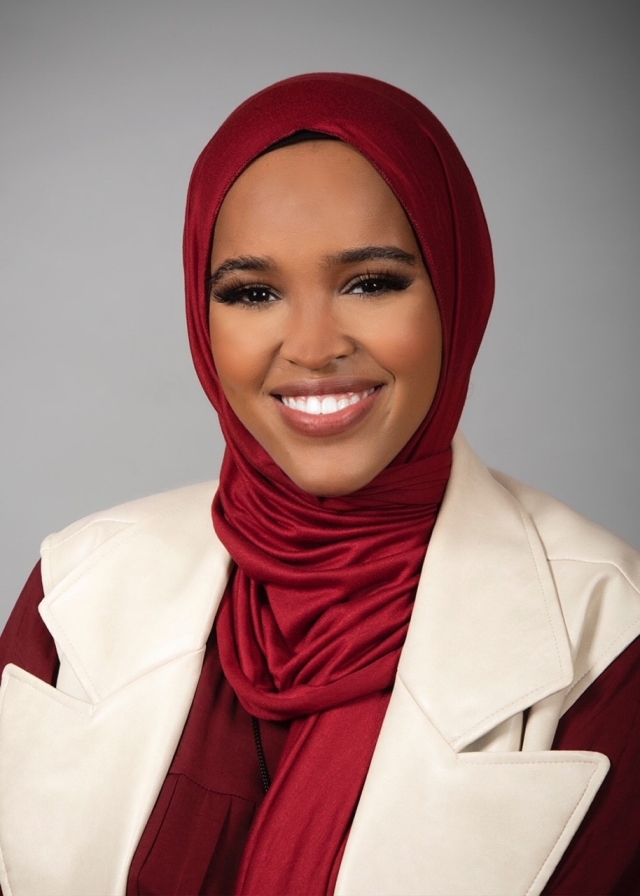
136th Legislature (2025-2026) Introduced by Munira Abdullahi and 19 co-sponsors

HB 768 extends PFCC to certain 20+ hour/week child care staff, excluding their household income from eligibility, with dedicated funding for 2026–27.

Referred to committee
0
WeVote Research Nonpartisan
Bill Summary · HB 768

Summary of HB 768 (Ohio, 136th General Assembly) — Provide publicly funded child care to certain child care staff

Purpose and Intent

  • HB 768 would extend publicly funded child care (PFCC) benefits to a new group: certain child care staff members who work in centers or family child care homes.
  • The bill also makes scope and funding adjustments, including a targeted appropriation to cover PFCC for eligible staff in fiscal years 2026 and 2027.

Key Provisions and Changes

Expanded PFCC Eligibility

  • Current PFCC in Ohio is available to:
    • Ohio Works First (cash assistance) participants
    • Transitional child care recipients
    • Other eligible families based on income thresholds and funding
  • HB 768 adds: "child care staff members" as eligible for PFCC, regardless of the staff member’s family income, subject to available funds.
    • Eligible staff are those employed by child care centers or family child care homes (note: not including employees of approved child day camps or owners/administrators when not in their role).
    • To qualify, the staff member must work a minimum of 20 hours per week.

Income and Eligibility Rules for PFCC

  • For child care staff members, the staff member’s family income is excluded from the eligibility determination. In other words, the entire staff member’s household income is not considered when determining PFCC eligibility for their child.
  • The staff member must still meet other PFCC eligibility requirements applicable to the child in care (e.g., age of the child, employment/training requirements for the caretaker parent, etc.).

Child Eligibility and Care Provisions (unchanged framework)

  • PFCC remains subject to:
    • The age limits for children served (infants to age 12; with special needs declarations for older ages where applicable)
    • The caretaker parent must be employed or in an approved education/training program for a time reasonably related to the child’s PFCC period
    • Eligibility periods, renewals, and potential waiting lists if funds are insufficient
    • Provisions for protective or homeless child care services, and for transitional periods when eligibility or income status changes
  • Priority rule: when funds are limited, priority is given to families whose income is at or below the maximum eligibility limit and who had transitional PFCC in the prior month but no longer qualify.

Administrative and Funding Arrangements

  • The Ohio Department of Jobs and Family Services (Department of Children and Youth) remains the lead agency for PFCC administration and coordination of state and federal funds.
  • The Department would continue to be responsible for distributing PFCC funds, honoring federal block grant guidelines, and ensuring funds supplement rather than supplant existing funding.
  • The bill requires the Director of Children and Youth to certify the funding needed to provide PFCC for eligible child care staff for FY 2026 and FY 2027; the appropriation is to be provided accordingly.

Compliance and Oversight

  • The bill builds on existing monitoring and rulemaking processes, including rules under Chapter 119 of the Revised Code, and allows the Department to monitor eligibility determinations and correct noncompliance.

Affected Parties

  • Primary beneficiaries: Child care staff members (center and family child care home employees) who work at least 20 hours per week and whose children are eligible for PFCC under the program rules.
  • Families of eligible staff: Their income will not be considered in PFCC determinations for the staff member’s child.
  • Child care providers and centers: Potentially more PFCC applicants among staff; subject to Provider-related PFCC payment rate rules and potential adjustments for nontraditional hours or enhanced rates (existing PFCC rate rules remain in place).

Timelines and Fiscal Considerations

  • Effective date: Not explicitly stated; provisions become actionable upon enactment and funding certification.
  • Fiscal note and appropriation: The bill would certify an amount for FY 2026 and FY 2027 to fund PFCC for eligible staff, with the Department of Budget and Management maintaining accounts for the appropriations.
  • Expenditure rules: Administrative costs funded by federal PFCC funds limited to not more than 5% of annual federal funds; at least 4% of federal funds directed to core PFCC purposes such as parental education, caregiver quality improvement, and Step Up To Quality program support.

Summary

HB 768 broadens PFCC to include certain child care staff members, exempting them from family income checks, provided they work at least 20 hours weekly and other PFCC eligibility criteria are met. It creates a dedicated appropriation for 2026 and 2027 to cover these benefits and preserves the existing PFCC framework, funding priorities, and administrative controls. The measure anticipates ongoing program coordination by the Department of Children and Youth and adherence to federal funding rules.

Compiled from official sources — confirm details with the bill’s official record.

Sign in to ask a question.