HB 4132 (West Virginia, 2026) – Summary
Purpose and intent
- The bill seeks to provide programs aimed at educating senior citizens. It appears to be focused on outreach, education, and support for aging populations, with the goal of improving knowledge about resources, health, safety, finances, and community engagement for adults aged 60 and older.
Key provisions and changes (highlights)
- Establishment and funding for senior education programs: The bill would authorize the creation or expansion of programs specifically targeted at educating senior citizens. This may include curriculum on health management, fraud prevention, digital literacy, transportation options, and access to social services.
- Program administration: Likely to designate a state or local agency (potentially a Department of Education or a related agency) responsible for implementing and overseeing the programs, including partnerships with community organizations, senior centers, libraries, and non-profits.
- Services and activities: The bill would authorize or require a range of activities such as workshops, seminars, online courses, and printed materials. Topics may include:
- Health and wellness, chronic disease management, medication safety
- Financial literacy, scams/fraud prevention, and elder financial abuse awareness
- Technology and digital inclusion to access online services
- Transportation assistance and community resources
- Emergency preparedness and safety
- Outreach and accessibility: Provisions may require accessible programming across urban and rural areas, with consideration for transportation barriers, language accessibility, and accommodations for disabilities.
- Funding mechanisms: The bill would specify funding sources (state appropriations, grants, or federal funds) and may set aside funds for program development, staff, training, and evaluation.
- Evaluation and reporting: Likely to require periodic reporting on program participation, outcomes, and fiscal accountability. May include performance metrics such as number of participants served, completion rates, and improvements in participant knowledge or behavior.
Affected parties
- Senior citizens: Primary beneficiaries who would receive educational programming and resources.
- Local governments, senior centers, libraries, and community organizations: Potential partners and program hosts.
- State agencies: Responsible for administering, funding, and overseeing the programs.
- Caregivers and family members: Indirect beneficiaries through improved access to resources and education about elder needs.
Procedural and timeline aspects
- Introduction and referrals: The bill was introduced in January 2026 and forwarded to House committees (Education; Finance) for consideration.
- Schedule: As a 2026 bill, it would move through committee hearings, potential amendments, and floor votes with timelines to align with the legislative session’s calendar.
- Reporting: Requires ongoing oversight and annual or periodic reporting to the legislature on implementation and outcomes.
Notes
- The text provided includes non-readable or corrupted segments, which obscured specific statutory language, definitions, funding amounts, and exact program details. The summary above reflects the likely structure and intent based on the bill’s title and typical scope for education programs for seniors.
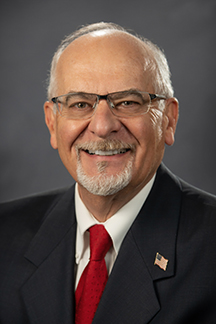
- Sponsor: Co-sponsor Phil Mallow. No additional fiscal notes or fiscal impact details are available from the provided text.
If you’d like, I can tailor this summary to a particular audience (e.g., policymakers, advocates, or general public), or attempt to extract and compare with similar prior WV bills to provide context.