

WeVote

Bill

Bill

SB 569

Protection of employees; covenants not to compete, involuntarily separated employees.

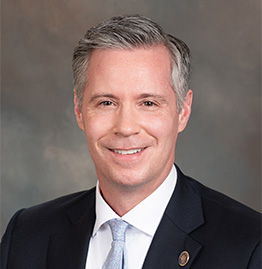
2026 Regular Session Introduced by Glen Sturtevant

Virginia bill prohibits enforcing non-compete agreements against employees involuntarily separated, enabling faster job transitions for laid-off workers but limiting employer protections.

Incorporated by Commerce and Labor (SB170-McPike) (13-Y 0-N)
0
WeVote Research Nonpartisan
Bill Summary · SB 569

Legislative bill overview

SB 569 restricts the enforceability of non-compete agreements for employees who are involuntarily separated (laid off or terminated without cause) in Virginia. The bill appears to limit or prohibit employers from enforcing restrictive covenants against workers who lose their jobs through no fault of their own, potentially allowing them to work for competitors immediately after separation.

Why is this important

Non-compete agreements can significantly restrict workers' employment opportunities and earning potential, particularly affecting middle and lower-income employees with specialized skills. This bill directly addresses the economic impact on displaced workers by preventing employers from using legal agreements to block job mobility during vulnerable periods of job loss.

Potential points of contention

  • Business competitiveness concerns: Employers may argue that preventing non-competes for involuntary separations reduces their ability to protect trade secrets and client relationships, especially during workforce reductions
  • Definition and enforcement complexity: Determining what constitutes "involuntary separation" versus resignation or performance-based termination could create litigation and administrative challenges
  • Competitive advantage for workers vs. companies: The bill creates asymmetry—workers can move freely to competitors after layoffs, but companies lose contractual protection during periods when they're already financially stressed

Compiled from official sources — confirm details with the bill’s official record.

Sign in to ask a question.