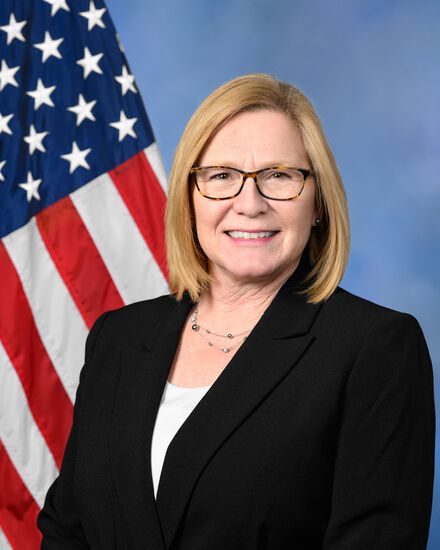
Summary: HR 1683 — Protecting Rural Seniors’ Access to Care Act
Overview
HR 1683, titled the Protecting Rural Seniors’ Access to Care Act, was introduced in the U.S. House on February 27, 2025. The primary sponsor is Rep. Michelle Fischbach. A companion bill exists in the Senate as S. 750. The bill has been referred to the House committees with jurisdiction over health-related and fiscal matters: Energy and Commerce, and Ways and Means.
Purpose and Intent (Inferred from Title)
The bill appears aimed at preserving or improving access to healthcare for seniors living in rural areas. Based on the title and sponsor, the measure likely seeks to address barriers unique to rural health care delivery, such as provider availability, financing, and coverage under federal health programs. The exact mechanism, policy changes, or funding commitments are not specified in the provided information.
Procedural History and Status
- Introduced: February 27, 2025
- Referred to:
- Committee on Energy and Commerce
- Committee on Ways and Means
- Status: Introduced in the House
- Companion: S. 750 (Senate)
Key Provisions
Not provided in the available information. The text of HR 1683 (the specific provisions, amendments, and fiscal implications) is not included here. As such, the concrete policy changes, funding levels, eligibility criteria, and timelines remain unconfirmed.
Who Is Affected
- Rural seniors who rely on federally funded health programs (e.g., Medicare) or healthcare services in rural areas.
- Healthcare providers, hospitals, and clinics operating in rural communities.
- Federal health program administrators and policymakers implementing rural health access strategies.
- States and localities with large rural populations that administer or coordinate rural health services.
Potential Impacts (General Considerations)
Given the title and committee jurisdictions, potential impacts could include:
- Improvements to Medicare/Medicaid access and reimbursement for rural providers.
- Expansion or modification of telehealth or other remote care delivery options for seniors.
- Support for rural health clinics and workforce initiatives to reduce access barriers.
- Administrative or regulatory changes affecting how rural care is financed or delivered.
Note: These are not confirmed provisions but plausible areas of focus based on the bill’s title and the committees involved.
Related Legislation
- S 750 — Companion bill in the Senate
Next Steps and Timeline
- Awaiting committee consideration, potential hearings, and markup in the House committees (Energy and Commerce; Ways and Means).
- If advanced, the bill would proceed to floor consideration in the House, followed by potential conference with the Senate if passed in both chambers.
- Stakeholders and observers may track the companion Senate bill (S. 750) for parallel developments.
Where to Find More Information
- Congress.gov for HR 1683 text, sponsor details, and full legislative actions.
- Senate.gov for the companion S 750 and related proceedings.
- Committee pages (Energy and Commerce; Ways and Means) for hearing schedules and amendments.