

WeVote

Bill

Bill

HR 960

Protect Our Clothes from PFAS Act

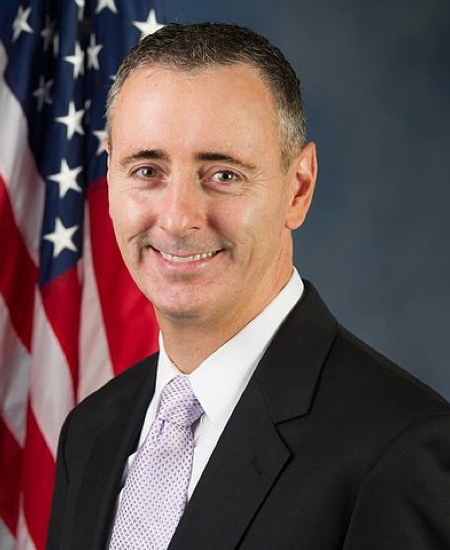
119th Congress Introduced by Brian Fitzpatrick and 4 co-sponsors

The Protect Our Clothes from PFAS Act bans harmful PFAS in clothing, ensuring safer products for consumers and promoting environmental health through clear labeling and alternatives.

Introduced in House
0
WeVote Research Nonpartisan
Bill Summary · HR 960

Summary of HR 960: Protect Our Clothes from PFAS Act

Purpose and Intent

The Protect Our Clothes from PFAS Act (HR 960) aims to address the environmental and health risks associated with per- and polyfluoroalkyl substances (PFAS) in clothing and textiles. PFAS, often referred to as "forever chemicals," are synthetic compounds that do not break down in the environment and have been linked to various health issues. This legislation seeks to prohibit the use of PFAS in clothing manufacturing, thereby protecting consumers and the environment.

Key Provisions

The bill includes several significant provisions:

  • Prohibition on PFAS: The act would ban the use of PFAS in the production of clothing and textiles. This includes any fabric treatments or finishes that contain these harmful substances.

  • Regulatory Framework: The bill mandates the establishment of guidelines and standards for manufacturers to ensure compliance with the PFAS prohibition. This may involve testing and certification processes to verify that products are PFAS-free.

  • Consumer Awareness: The legislation aims to enhance consumer awareness by requiring clear labeling on clothing items regarding the absence of PFAS, helping consumers make informed choices.

  • Support for Alternatives: The bill encourages research and development of safe alternatives to PFAS in textile manufacturing, promoting innovation in the industry.

Affected Parties

The Protect Our Clothes from PFAS Act will primarily impact:

  • Manufacturers: Clothing and textile manufacturers will need to adapt their production processes to eliminate PFAS, which may involve additional costs for compliance and testing.

  • Consumers: The legislation aims to protect consumers from the potential health risks associated with PFAS exposure, particularly vulnerable populations such as children and pregnant individuals.

  • Environmental Organizations: Groups advocating for environmental health will likely support the bill, as it aligns with efforts to reduce pollution and promote safer consumer products.

Legislative Process and Timeline

  • Introduced: The bill was introduced in the House on February 4, 2025.
  • Referred to Committee: On the same day, it was referred to the House Committee on Ways and Means for further consideration.

Sponsors

The bill is sponsored by:
- Chellie Pingree (Primary Sponsor)
- Blake D. Moore (Cosponsor)
- Sarah McBride (Cosponsor)
- Brian K. Fitzpatrick (Cosponsor)
- Rashida Tlaib (Cosponsor)

Conclusion

HR 960 represents a significant step towards reducing the presence of harmful chemicals in consumer products, specifically clothing. By prohibiting PFAS in textiles, the bill aims to safeguard public health and promote environmental sustainability. As it moves through the legislative process, stakeholders will be closely monitoring its progress and potential implications for the textile industry and consumers alike.

Compiled from official sources — confirm details with the bill’s official record.

Sign in to ask a question.