

WeVote

Bill

Bill

SB 1555

property tax increment; affordable housing

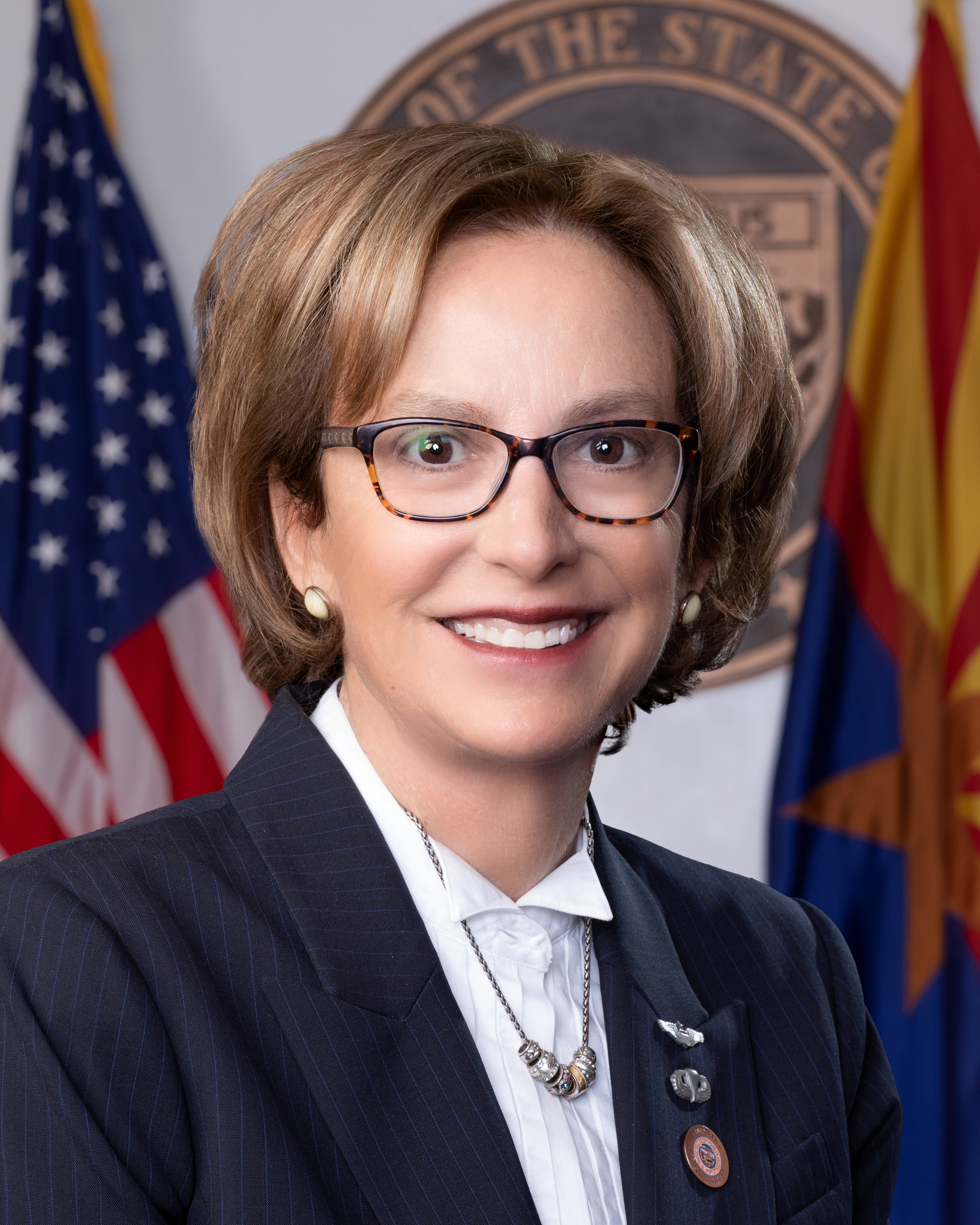
57th Legislature - Second Regular Session Introduced by Wendy Rogers

SB 1555 redirects a portion of Arizona tax increment district revenues toward affordable housing development to address housing shortage pressures.

Senate Second Reading
0
WeVote Research Nonpartisan
Bill Summary · SB 1555

Legislative bill overview

SB 1555 modifies Arizona's property tax increment financing (TIF) system to allocate a portion of tax increment revenues toward affordable housing development. The bill creates a new mechanism within existing TIF districts to dedicate incremental property tax gains—the difference between baseline and current assessed values—specifically for affordable housing projects within or near those districts.

Why is this important

Arizona faces a significant affordable housing shortage, with rising property values pricing out low-to-moderate income residents. By tapping into TIF revenues (which are already dedicated to economic development), the bill attempts to address housing affordability without creating entirely new funding mechanisms. This approach could generate meaningful housing resources while maintaining existing economic development incentives in TIF districts.

Potential points of contention

  • Municipal revenue concerns: TIF districts are jointly funded by cities, counties, and schools. Diverting increment revenue to housing could reduce funding available for other infrastructure and services these entities depend on.
  • Developer vs. public interest balance: Questions remain about whether affordable housing requirements will be mandatory or voluntary, and whether market-rate developers can satisfy obligations through payments rather than actual unit construction.
  • Definition and enforcement: The bill's specific definition of "affordable housing," income thresholds, and long-term affordability covenants will significantly impact actual outcomes and cost-effectiveness.

Compiled from official sources — confirm details with the bill’s official record.

Sign in to ask a question.