

WeVote

Bill

Bill

HB 5433

PROP TX-CIRCUIT BREAKER

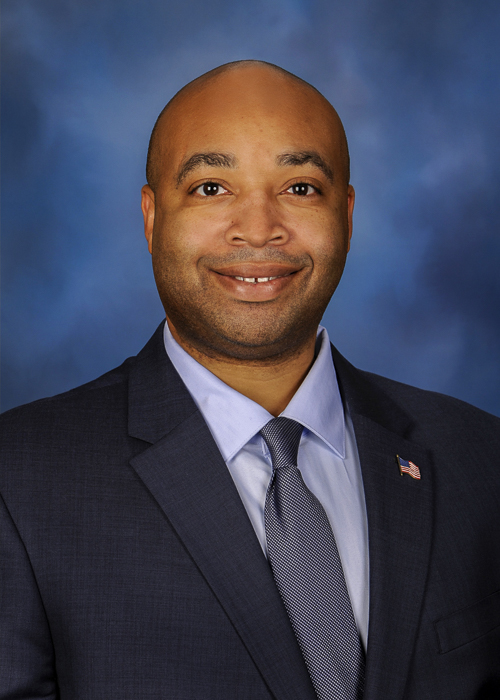
104th Regular Session Introduced by Justin Slaughter

HB 5433 creates a circuit breaker to limit property tax bills as a share of income, targeting relief to homeowners most burdened and funding via state mechanisms.

0
WeVote Research Nonpartisan
Bill Summary · HB 5433

Bill Overview

  • Bill: HB 5433
  • Session: 104th Illinois General Assembly
  • Jurisdiction: Illinois
  • Title: PROP TX-CIRCUIT BREAKER
  • Sponsor: Primary sponsor not listed in provided text; Co-sponsor: Justin Slaughter

Purpose and Intent

HB 5433 appears to address property tax relief for homeowners and/or property owners by implementing a circuit breaker mechanism. The term "circuit breaker" in Illinois property tax policy typically refers to a program designed to limit property tax liabilities relative to a taxpayer’s income, preventing excessive tax burdens. The bill’s intent is to provide targeted protections to residents or property owners whose property tax payments would otherwise consume an unreasonably large share of income, thereby promoting affordability and housing stability.

Key Provisions and Changes (What the Bill Would Do)

  • Establish or modify a circuit breaker framework to limit property tax obligations as a share of income.
  • Set thresholds or formulas to determine when a homeowner qualifies for relief, potentially tying tax liability to household income, property assessments, and eligibility criteria.
  • Determine the type of relief (e.g., tax credits, reductions, deferments, or credits against future tax bills) available to eligible taxpayers.
  • Define the eligible base (e.g., primary residence vs. additional properties) and any exclusions or special rules for senior citizens, disabled individuals, or veterans if included in the bill.
  • Outline apportionment, eligibility verification processes, and required documentation.
  • Specify administration and funding mechanisms (which state or local agencies administer relief, and how funds are sourced or budgeted).

Who Would Be Affected

  • Primary recipients: Homeowners and property owners whose property tax burden would be limited under the circuit breaker formula.
  • Potentially affected groups: Senior citizens, low- to moderate-income households, and disabled individuals if the bill creates targeted protections or exemptions.
  • Local taxing jurisdictions: Taxing districts and municipalities that collect property taxes, as relief mechanisms may reduce revenue or require administrative adjustments.

Procedural and Timeline Aspects

  • The bill, if enacted, would create or modify a program administered by a state agency (likely the Department of Revenue or a designated tax relief bureau) and/or relevant local tax authorities.
  • Implementation timeline would typically include:
    • Effective date for new circuit breaker provisions (e.g., taxable year or assessment year).
    • Phased or immediate applicability depending on budget processes and administrative readiness.
    • Deadlines for taxpayer filing, verification, and appeals, if applicable.
  • Funding and appropriation cycles would align with the state's fiscal year and legislative budget actions.

Potential Impacts

  • Tax Burden Relief: Reduces property tax pressure for eligible residents, increasing disposable income and housing affordability.
  • Revenue Implications: May reduce property tax revenue for local governments; could necessitate state backfill or reform to offset losses.
  • Administrative Burden: Requires verification, auditing, and ongoing program administration; may necessitate data sharing between agencies.
  • Equity Considerations: Aims to target relief to those most burdened by property taxes, with potential for reforms to address disparities.

If you have access to the actual bill text or fiscal notes, I can refine this summary with precise thresholds, eligibility criteria, relief amounts, funding sources, and implementation dates.

Compiled from official sources — confirm details with the bill’s official record.

Sign in to ask a question.