

WeVote

Bill

Bill

A 10074

Prohibits the use of the pesticide paraquat

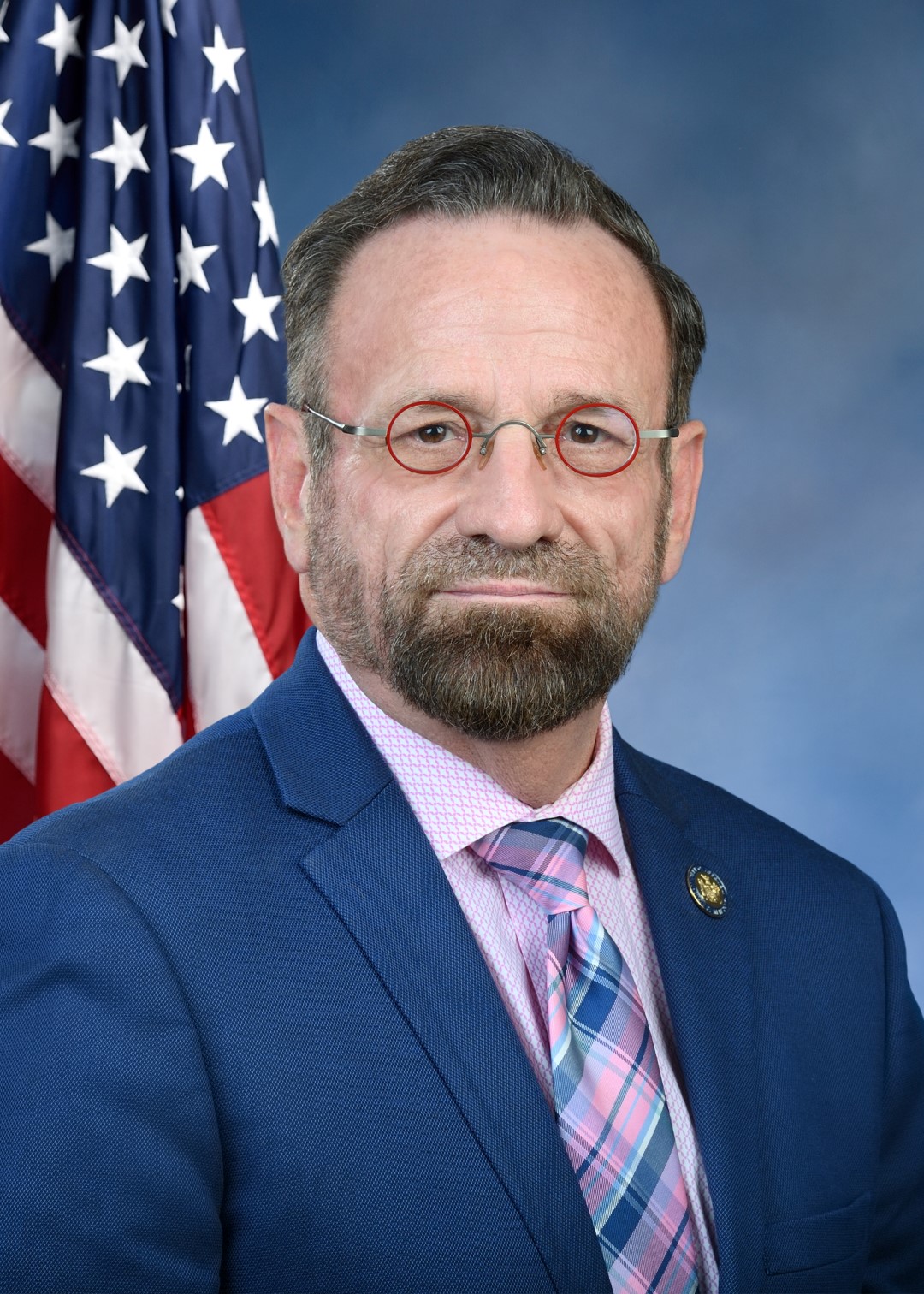
2025 Regular Session Introduced by Harry Bronson and 19 co-sponsors

New York would ban the distribution, sale, purchase, or use of any pesticide containing paraquat in the state, effective January 1, 2027.

ADVANCED TO THIRD READING CAL.474
0
WeVote Research Nonpartisan
Bill Summary · A 10074

Summary of New York Assembly Bill A.10074 (2025-2026)

Purpose and Intent

  • Objective: Prohibit the distribution, sale, purchase, and use of pesticides containing paraquat in New York.
  • Rationale: The bill cites paraquat’s high acute toxicity, health risks (including potential links to Parkinson’s disease and various cancers), and the existence of international regulatory actions and bans. It argues that the EPA’s ongoing reevaluation under FIFRA may take years, so New York should act to protect residents in the interim.

Key Provisions

Prohibition on Paraquat

  • Section 33-1301 (new subdivision 14) added to the Environmental Conservation Law.
  • Subdivision 14(a): It is unlawful for any person to distribute, sell, purchase, or use for any purpose any pesticide product containing paraquat dichloride or any chemical form of paraquat.
  • Subdivision 14(b): Defines “paraquat” to include:
    • Pesticides with CAS number 4685-14-7
    • Any salt of paraquat, specifically naming:
    • Methyl viologen (CAS 1910-42-5)
    • Paraquat bismethylsulfate (CAS 2074-50-2)

Effective Date

  • The Act takes effect January 1, 2027.

Who Would Be Affected

  • Businesses and individuals involved in:
    • Distribution, sale, purchase, or use of paraquat-containing pesticides within New York State.
  • This includes manufacturers, retailers, landscape/agriculture professionals, and consumers who might procure paraquat products.

Background and Context (as cited in the bill)

  • Paraquat is described as a nonselective herbicide that kills all vegetation it contacts.
  • It has a history of regulatory concern:
    • EPA classified paraquat products as restricted use pesticides due to toxicity.
    • The EU banned paraquat in 2007; several countries have restrictions or bans.
    • Studies link paraquat exposure to increased risk of Parkinson’s disease and potentially other cancers and adverse health outcomes.
  • The bill notes ongoing EPA reassessment under FIFRA, with a continued use allowed during the review period, arguing for local action to protect health.

Procedural and Timeline Aspects

  • Introduced: January 30, 2026 (A. Rosenthal; referred to Environmental Conservation).
  • Action history shows amendments and re-refer to Environmental Conservation as of April 14, 2026 (Bill number amended to 10074A).
  • Expected effective date: January 1, 2027.
  • Enactment would require alignment with existing Environmental Conservation Law enforcement authorities to enforce prohibitions and penalties (not specified in the text provided).

Potential Impact

  • Public Health: Aims to reduce exposure to paraquat among New Yorkers, potentially lowering risks associated with Parkinson’s disease and certain cancers.
  • Agricultural and Landscape Practices: May necessitate the transition to alternative herbicides or weed management practices for those previously relying on paraquat.
  • Regulatory Alignment: Places New York among jurisdictions that restrict or ban paraquat, independent of ongoing federal assessments.

Summary

A.10074 would make it unlawful in New York to distribute, sell, purchase, or use any pesticide containing paraquat or its chemical forms, effective January 1, 2027. It defines the scope of paraquat and targets all stages of the supply chain within the state. The bill is grounded in health risk concerns and international/regulatory contexts, aiming to provide a precautionary state-level ban while federal reevaluation proceeds.

Compiled from official sources — confirm details with the bill’s official record.

Sign in to ask a question.