

WeVote

Bill

Bill

A 7194

Prohibits the use of student loan payment credit history checks in certain cases

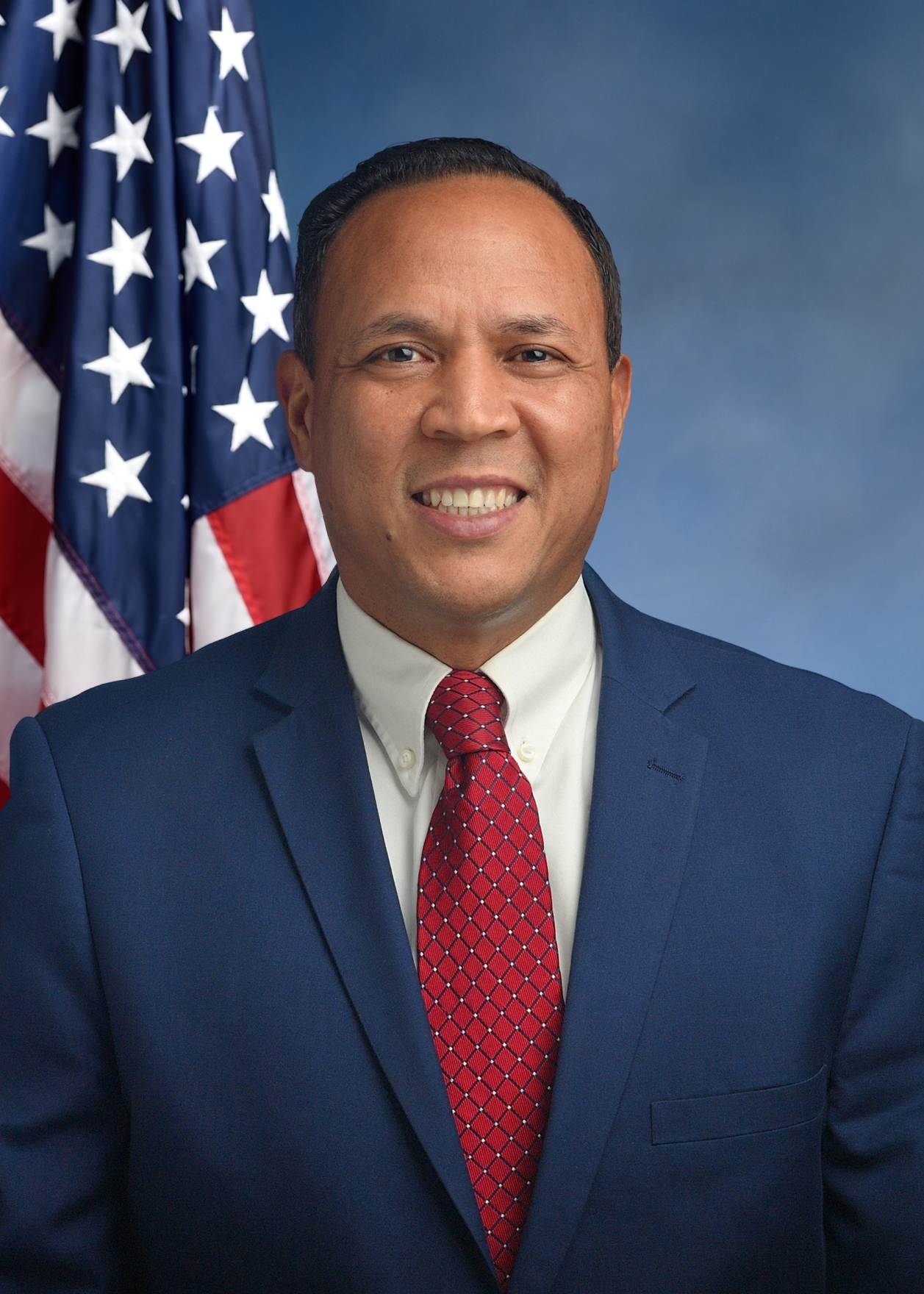
2025 Regular Session Introduced by George Alvarez and 8 co-sponsors

Overview: Bill Number: A 7194, Title: Prohibits the use of student loan payment credit history checks in certain cases, Status: ORDERED TO THIRD READING RULES CAL.576, Introduced:

ORDERED TO THIRD READING RULES CAL.576
0
WeVote Research Nonpartisan
Bill Summary · A 7194

Overview: Bill Number: A 7194, Title: Prohibits the use of student loan payment credit history checks in certain cases, Status: ORDERED TO THIRD READING RULES CAL.576, Introduced: March 21, 2025

Purpose and Intent: This bill aims to protect individuals with student loan debt from being discriminated against in certain employment and housing decisions. The goal is to prevent the use of a person's student loan payment history as a factor in determining their creditworthiness or eligibility for jobs and housing.

Key Provisions:
- Prohibits employers from considering an applicant's student loan payment history as a factor in hiring decisions
- Prohibits landlords and housing providers from considering an applicant's student loan payment history as a factor in rental or housing decisions
- Establishes exceptions for certain financial institutions and government agencies that are required by law to consider an individual's credit history
- Provides for civil penalties and enforcement mechanisms for violations of the law

Affected Parties and Impacts:
- Individuals with student loan debt will be protected from having their payment history used against them in employment and housing decisions
- Employers and housing providers will be required to comply with the new restrictions on the use of student loan payment history
- The legislation may help to reduce barriers and discrimination faced by those with student loan debt, potentially improving their access to job opportunities and housing

Procedural and Timeline Considerations:
The bill has been ordered to a third reading on the Rules Calendar, indicating that it is progressing through the legislative process. If passed, the law would likely take effect within 6-12 months, allowing time for employers and housing providers to update their policies and practices to comply with the new requirements.

Compiled from official sources — confirm details with the bill’s official record.

Sign in to ask a question.