

WeVote

Bill

Bill

A 1045

Prohibits the use of biometric surveillance technology by law enforcement; establishes the biometric surveillance regulation task force; and provides for the expiration and repeal of certain provisions

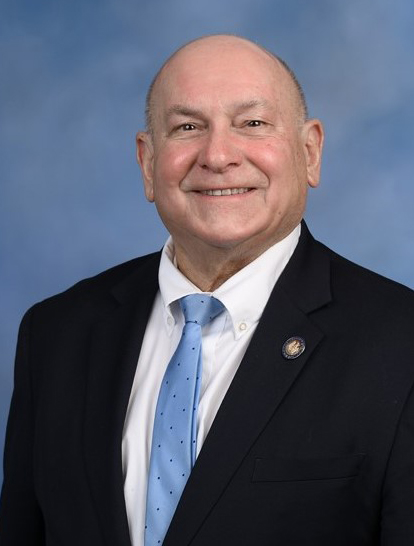
2025 Regular Session Introduced by Chris Burdick and 9 co-sponsors

Prohibits law enforcement from using biometric surveillance; establishes a task force to study and guide oversight, with sunset/repeal provisions for future review.

REFERRED TO GOVERNMENTAL OPERATIONS
0
WeVote Research Nonpartisan
Bill Summary · A 1045

Summary of Bill A 1045

Overview

Bill A 1045 seeks to restrict and regulate the use of biometric surveillance technology by law enforcement. It would prohibit deployment by law enforcement agencies, establish a dedicated task force to regulate biometric surveillance, and include provisions for expiration or repeal of certain related provisions. The bill was introduced on January 8, 2025 and is currently Referred to the Governmental Operations committee.

What the bill would do

  • Prohibition on use by law enforcement: The bill would prevent law enforcement agencies from utilizing biometric surveillance technology. Details on scope, definitions, and enforcement would be contained in the bill text.
  • Establishment of a regulatory task force: It would create the Biometric Surveillance Regulation Task Force to study, assess, and provide guidance or recommendations regarding biometric surveillance technologies and their use by state or local agencies.
  • Sunset and repeal provisions: The bill includes provisions related to expiration and repeal of certain related provisions, indicating a sunset mechanism or phased withdrawal of existing authorities or policies tied to biometric surveillance.

Key provisions (highlights)

  • Prohibition: Ban on the use, deployment, procurement, or operational use of biometric surveillance technology by law enforcement entities.
  • Task Force: Creation of a standing body to examine biometric surveillance issues, likely including composition, scope of review, and reporting requirements (specifics to be detailed in the bill).
  • Sunsets/Repeals: Mechanisms for expiration of certain provisions and potential repeal of others, signaling a future review or lapse of authority unless renewed.

Who would be affected

  • Law enforcement agencies at the state and local levels that currently use or plan to use biometric surveillance technology.
  • Governmental and regulatory bodies involved in procurement, oversight, or policy development related to biometric technologies.
  • Civil rights and privacy stakeholders who monitor surveillance policies.

Procedural and timeline aspects

  • Status: Referred to Governmental Operations (January 8, 2025). Referred actions indicate the bill is in early committee consideration.
  • Related and companion legislation: Related Assembly bills (A 9767, A 5492, A 1891) from prior sessions; Senate companion S 5609 is listed (with two references). These connections suggest a broader, ongoing policy effort across sessions to regulate biometric surveillance.

Sponsors

  • Primary sponsor: Deborah Glick
  • Co-sponsors: Sarahana Shrestha, MaryJane Shimsky, Chris Burdick, Jessica Gonzalez-Rojas, Zohran Mamdani, Tony Simone, Robert C. Carroll, Steven Raga, Karines Reyes

Context and potential impact

The bill reflects a privacy- and civil-liberties-oriented approach to biometric technologies in policing. If enacted, it would limit or prohibit the use of biometric surveillance by law enforcement and establish a framework for ongoing review and regulation via the task force, with sunset or repeal provisions signaling a pathway for ongoing reassessment. Final details, including definitions, enforcement mechanisms, and the exact scope of the sunset provisions, will be critical to understanding the bill’s real-world impact.

Compiled from official sources — confirm details with the bill’s official record.

Sign in to ask a question.