

WeVote

Bill

Bill

S 8145

Prohibits the naming of state buildings after public officers

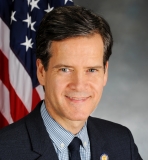
2025 Regular Session Introduced by Brad Hoylman-Sigal

Prohibits naming state buildings after public officers, requiring policy changes and affecting signage, branding, and approvals across state agencies.

REFERRED TO FINANCE
0
WeVote Research Nonpartisan
Bill Summary · S 8145

Summary of S 8145 — Prohibits the naming of state buildings after public officers

Overview

  • Bill number: S 8145 (New York State Senate)
  • Title/purpose: Prohibits the naming of state buildings after public officers.
  • Status: Referred to Senate Finance.
  • Introduction date: May 15, 2025.
  • Primary sponsor: Senator Brad Hoylman-Sigal.
  • Related/companion bill: Assembly counterpart A 8907 (listed as companion).

What the bill proposes

  • The central aim is to bar the practice of naming state government buildings after public officers. The information provided does not include the full text or the specific language, so the precise scope (e.g., whether it covers only newly named buildings, whether it applies to renaming of existing buildings, what constitutes “state buildings” and “public officers,” and any carve-outs) is not specified here.
  • In general, a bill with this intent would typically define:
    • What counts as a “state building” (government-owned properties used for state functions).
    • Who qualifies as a “public officer” (e.g., elected or appointed officials).
    • Whether the prohibition applies to future naming actions only or also to alterations, dedications, or renaming of buildings currently bearing a public-officer name.
  • The exact procedural details, such as a sunset provision, exceptions, or penalties for non-compliance, are not provided in the available summary.

Potential impact and who is affected

  • State agencies and authorities responsible for naming or renaming buildings would be directly affected.
  • Public offices and figures may be impacted in terms of recognition through building names.
  • Signage, branding, and procurement processes related to naming would be influenced, potentially affecting contractors and suppliers involved in naming commemorations or nameplates.
  • If enacted, the bill could necessitate naming policy changes, signage updates, and possible renaming of any buildings currently named after public officers (depending on the bill’s specific language).

Procedural and timeline notes

  • Legislative path: Referred to the Senate Finance Committee, indicating a fiscal review or budgetary implications may be considered.
  • Action cadence: The listing shows the same referral action noted twice, suggesting a formal committee referral event.
  • Next steps: The bill would typically move to hearings and votes within the Finance Committee, followed by floor consideration in the Senate, and then potentially cross-over to the Assembly (via the companion A 8907) and further steps toward enactment.

Additional considerations

  • For a complete understanding of policy impacts, definitions, and any exemptions, the full text of S 8145 and any fiscal notes or committee reports should be consulted when available. Readers should monitor the bill’s progress and note any amendments that refine scope or implementation timelines.

Compiled from official sources — confirm details with the bill’s official record.

Sign in to ask a question.