

WeVote

Bill

Bill

S 7075

Prohibits the imposition of a system benefits charge on ratepayers' utility bills

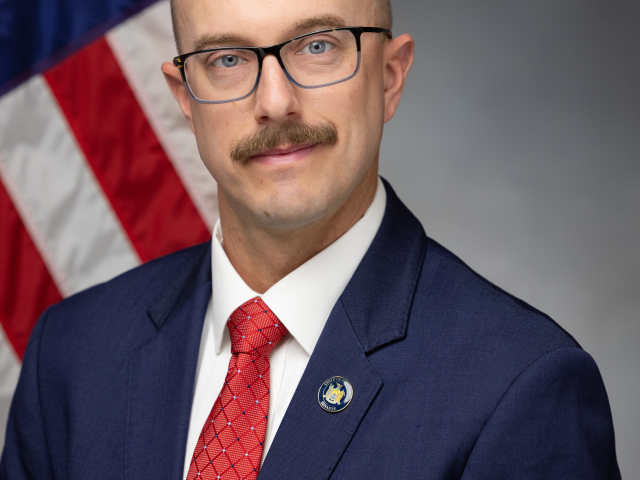
2025 Regular Session Introduced by Mark Walczyk

Prohibits a System Benefits Charge on ratepayers' utility bills, ending dedicated funding for energy programs and forcing shifts in how those programs are funded.

REFERRED TO ENERGY AND TELECOMMUNICATIONS
0
WeVote Research Nonpartisan
Bill Summary · S 7075

Summary of Bill S 7075 (2025)

Overview

Bill S 7075 would prohibit the imposition of a System Benefits Charge (SBC) on ratepayers’ utility bills. The SBC is a line-item charge in some jurisdictions that funds programs such as energy efficiency, renewable energy, low-income assistance, and other system benefits. The bill’s stated purpose is to remove this funding mechanism from utility bills.

  • Bill number: S 7075
  • Title (as provided): Prohibits the imposition of a system benefits charge on ratepayers' utility bills
  • Sponsor (primary): Mark Walczyk
  • Introduced: April 1, 2025
  • Status: Referred to the Energy and Telecommunications committee
  • Actions:
    • 2025-04-01: Referred to Energy and Telecommunications (noted twice in the record)

Key Provisions (as indicated by the title)

  • Prohibition on SBC: The bill would bar any System Benefits Charge from being assessed on the utility bills paid by ratepayers.
  • Details such as definitions, scope (which utilities or programs fall under SBC), effective date, and transition provisions are not provided in the available information. Full text would specify these elements.

Who Would Be Affected

  • Ratepayers/Consumers: Potential changes to their monthly utility bills, depending on how SBC costs are funded or recovered after the prohibition.
  • Utility Companies and Program Administrators: Would need to adjust revenue streams and funding mechanisms for any programs previously funded by SBC, such as energy efficiency initiatives, renewable energy programs, or low-income assistance.
  • State/Energy Policy Programs: May require reallocation of funds or creation of alternative funding approaches if SBC revenues currently support state energy programs.

Procedural and Timeline Considerations

  • The bill has been introduced and immediately referred to the Energy and Telecommunications committee. This indicates the initial step in the legislative process.
  • With two identical “referred” entries on the same date, the record confirms the committee referral, but does not provide details on hearings, amendments, or a timeline for floor consideration.
  • Next steps (typical for such a bill): committee review, potential hearings, passage by the committee, and ultimately floor votes in the Senate; if advanced, the bill would proceed through the legislative process according to the chamber’s schedule.

Potential Impacts and Considerations

  • Policy Trade-offs: Eliminating the SBC could reduce or remove dedicated funding for energy-related programs. Policymakers would need to consider how to fund essential programs (if continued) or whether to sunset certain programs altogether.
  • Ratepayer Effects: Depending on existing SBC levels, removing the charge could lower bills, or shifts in funding could raise bills in other ways if programs are maintained by alternative funding.
  • Transition and Adaptation: Any transition provisions (not provided in the available text) would be critical to understand how ongoing programs would be funded during the changeover.

Note: This summary is based on the bill’s title and the information provided. The full legislative text would clarify definitions, scope, fiscal impact, any exemptions, transitional provisions, and specific timelines.

Compiled from official sources — confirm details with the bill’s official record.

Sign in to ask a question.