

WeVote

Bill

Bill

A 56

Prohibits residential landlords from charging tenants a fee for a dishonored rent check in excess of the actual costs or fees incurred by such landlord as a result thereof

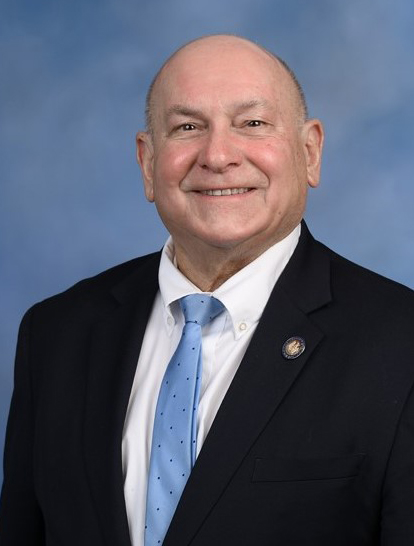
2025 Regular Session Introduced by Chris Burdick and 14 co-sponsors

Prohibits residential landlords from charging returned rent check fees beyond actual, documented costs, protecting tenants from excessive penalties and forcing cost-proofing.

SIGNED CHAP.431
0
WeVote Research Nonpartisan
Bill Summary · A 56

Summary — A.56 (Chapter 431 of 2025)

Status: Signed into law (Chap. 431) — Signed by Governor on October 16, 2025
Introduced: January 8, 2025 (New York Assembly)
Primary sponsor: Assemblymember Harvey Epstein (with multiple cosponsors)
Companion bill: S.3845

Purpose / Intent

A.56 prohibits residential landlords from charging tenants a fee for a dishonored (returned) rent check that exceeds the landlord’s actual costs or fees incurred as a result of the dishonored payment. The bill is intended to limit excessive returned-check penalties and ensure charges reflect real, provable losses.

Key provisions

  • Applies to residential tenancy situations (residential landlords and tenants).
  • A landlord may assess a fee for a dishonored rent check only to the extent that the fee equals the actual costs or fees the landlord incurred because of the dishonored check (for example, a bank-return fee or other documented direct expense).
  • Fees in excess of those actual documented costs are prohibited and unenforceable under this law.

Note: The legislative summary and public materials provided do not include further statutory language about documentation standards, caps, civil penalties, or dispute resolution provisions. For precise statutory text (including any required proof of costs, permissible documentation, or enforcement mechanics), consult the enrolled chaptered law.

Who is affected

  • Tenants in residential rental units — protected from excessive returned-check charges.
  • Residential landlords and property managers — must limit returned-check charges to actual costs and should retain documentation of those costs.
  • Lease forms and rental agreements that currently permit flat or formulaic returned-check fees in excess of actual costs may become unenforceable or require revision.

Legislative timeline / procedural highlights

  • Jan 8, 2025: Introduced in Assembly; referred to Housing Committee.
  • Feb–May 2025: Reported and advanced through Assembly (amended on third reading in March and May); passed Assembly and transmitted to the Senate.
  • June 12, 2025: Substituted for S.3845B and repassed the Senate.
  • Oct 9, 2025: Delivered to the Governor.
  • Oct 16, 2025: Signed by Governor and chaptered as Chapter 431 of 2025.

Practical impact and next steps

  • Tenants will have greater protection against large or flat returned-check penalties; landlords should adopt documentation practices to substantiate actual costs before assessing a fee.
  • Landlords should review lease language and accounting procedures to ensure compliance.
  • For enforcement details, effective date, and how the law interacts with existing tenant-landlord statutes, consult the text of Chapter 431, 2025 (the enacted statute) or seek legal advice.

Sponsors (partial list): Grace Lee; Brian Cunningham; Dana Levenberg; Chris Burdick; Deborah Glick; Tommy Schiavoni; Maritza Davila; Rebecca Seawright; Emily Gallagher; Catalina Cruz; Rodneyse Bichotte Hermelyn; Steven Raga; Karines Reyes; Anna Kelles; Harvey Epstein (primary).

Compiled from official sources — confirm details with the bill’s official record.

Sign in to ask a question.