

WeVote

Bill

Bill

A 9144

Prohibits parties to mediation or dispute resolution from recording such proceedings without the consent of all parties

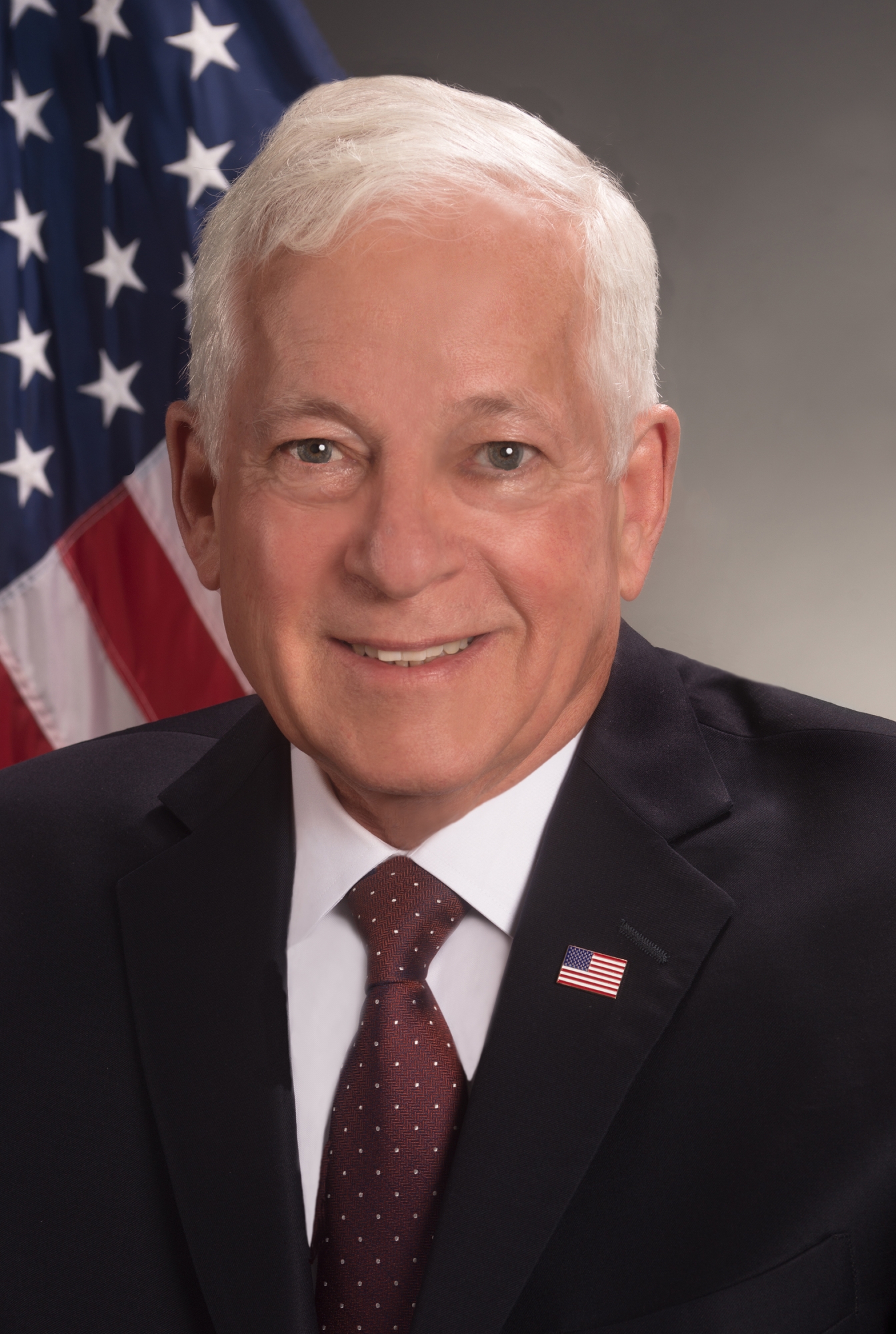
2025 Regular Session Introduced by Charles Lavine

Recording of mediation or dispute-resolution sessions is allowed only with unanimous consent of all parties, protecting confidentiality and limiting post-session use.

RETURNED TO ASSEMBLY
0
WeVote Research Nonpartisan
Bill Summary · A 9144

Summary of New York Assembly Bill A-9144

Bill at a glance

  • Bill number: A 9144
  • Title/purpose: Prohibits parties to mediation or dispute resolution from recording such proceedings without the consent of all parties
  • Sponsor: Charles Lavine (primary)
  • Introduced: October 17, 2025
  • Current status: REFERRED TO JUDICIARY
  • Classification: Bill
  • Recent legislative actions:
    • 2025-10-17: REFERRED TO JUDICIARY (listed twice in the provided actions)

What the bill would do

  • The core provision would prohibit any party to mediation or dispute resolution from recording the proceedings unless all parties to the mediation/dispute consent to the recording. In other words, no participant may record the session without unanimous agreement from all participants.
  • The bill intends to protect the confidentiality and privacy of mediation and dispute-resolution processes by restricting the capture of audio, video, or other recordings without mutual consent.

Key provisions (as inferred from the title and summary)

  • Prohibition on recording: No recording by any party unless all participants consent.
  • Consent standard: Recording allowed only with consent of all parties involved in the mediation or dispute resolution.
  • Scope definitions (not provided in the summary): The bill likely defines what constitutes “mediation or dispute resolution,” who counts as a “party,” and what qualifies as a “recording.” The exact definitions would be in the full text.
  • Enforcement and remedies: The provided information does not specify penalties or remedies; the bill text would detail any enforcement mechanisms, penalties, and potential exceptions (if any).
  • Relationship to confidentiality: The measure aligns with typical confidentiality protections in mediation, by limiting post-session use of recorded material.

Who would be affected

  • Participants in mediation or dispute resolution: Individuals and entities engaged in such sessions would be subject to the consent requirement for recording.
  • Mediators and dispute-resolution professionals: Practitioners would be responsible for ensuring recordings are authorized by all parties and for enforcing the consent requirement.
  • Attorneys and representatives: Counsel involved in mediation would need client consent documentation if recording is contemplated.

Procedural and timeline notes

  • The bill has been introduced and referred to the Judiciary Committee. No additional actions are listed in the provided information.
  • As a Judiciary-referred measure, it would require committee action (and likely amendments), followed by floor consideration in the Assembly, and then potential progression through the Senate and to the governor for signature, if advanced.

Potential impact and considerations

  • Privacy and confidentiality: Strengthens confidentiality protections in mediated/settlement discussions.
  • Evidence and post-mediation use: Limits potential use of recordings for evidentiary or other purposes unless all parties consent.
  • Practical considerations: Could affect how parties approach documenting discussions and may influence mediation practices and client consent processes.
  • Next steps: Monitor further committee actions and any amendments that specify definitions, exceptions, penalties, or applicability.

If you’d like, I can tailor this summary to emphasize potential impacts for specific stakeholders (e.g., small businesses, consumer disputes, or family mediations) or compare it to current confidentiality rules in New York.

Compiled from official sources — confirm details with the bill’s official record.

Sign in to ask a question.