

WeVote

Bill

Bill

A 1095

Prohibits motor vehicle manufacturers and dealers from charging a subscription fee for certain functions of a motor vehicle after the vehicle is sold

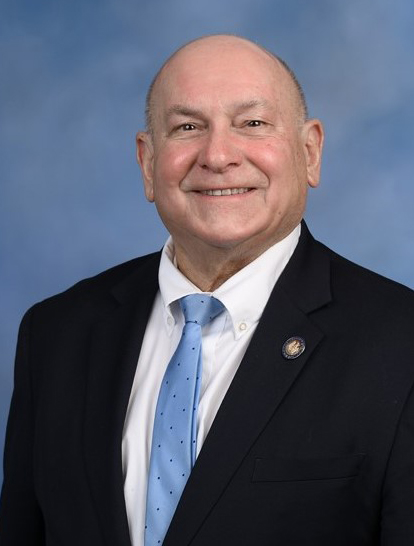
2025 Regular Session Introduced by Chris Burdick and 9 co-sponsors

New York bill prohibits automakers from charging subscription fees for vehicle functions after purchase, preventing monetization of included or basic operational features.

SUBSTITUTED BY S5708
0
WeVote Research Nonpartisan
Bill Summary · A 1095

Legislative bill overview

Bill A 1095 prohibits motor vehicle manufacturers and dealers from charging subscription fees for certain vehicle functions after a vehicle has been sold to a consumer. The bill targets features that were either included in the vehicle's original purchase price or are considered basic operational functions. This legislation aims to prevent manufacturers from monetizing previously included or essential vehicle features through recurring subscription models.

Why is this important

Subscription fees for vehicle features have become an increasingly common business practice, with manufacturers charging for heated seats, adaptive headlights, remote start, and other functions. Consumers purchasing vehicles expect certain features to remain accessible without additional recurring costs, making this a consumer protection issue affecting vehicle affordability and ownership experience. The bill addresses a growing tension between manufacturer revenue models and consumer expectations about vehicle ownership rights.

Potential points of contention

  • Definition ambiguity: The bill's scope depends on how "certain functions" is defined—manufacturers may argue about which features qualify as subscription-eligible versus essential, creating implementation disputes
  • Business model impact: Automotive manufacturers rely on subscription revenue streams for profitability and may argue the restriction reduces innovation incentives and competitiveness in the EV market
  • Interstate commerce concerns: A New York-only restriction could create compliance challenges if manufacturers must adjust national production or pricing strategies, potentially driving costs to all consumers

Compiled from official sources — confirm details with the bill’s official record.

Sign in to ask a question.