

WeVote

Bill

Bill

SB 500

Prohibiting of sex offender living within 1000 feet of any school, park, or playground

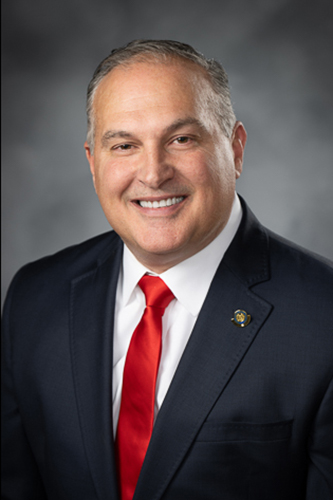
2026 Regular Session Introduced by Brian Helton and 3 co-sponsors

SB 500 bans registered sex offenders from living within 1,000 feet of schools, parks, or playgrounds, restricting housing options and potentially forcing relocation.

0
WeVote Research Nonpartisan
Bill Summary · SB 500

Legislative bill overview

SB 500 would prohibit registered sex offenders from residing within 1000 feet of schools, parks, or playgrounds in West Virginia. This is a residence restriction law that would create exclusion zones around locations where children gather, potentially forcing existing offenders to relocate or face criminal penalties.

Why is this important

Residence restrictions affect where thousands of registered sex offenders can live, impacting housing availability, family reunification, and community reintegration. Research shows mixed results on whether such restrictions reduce recidivism or protect children, but they remain popular politically due to public safety concerns and are already law in many states.

Potential points of contention

  • Constitutional challenges: Federal courts have struck down similar laws in some jurisdictions as potentially violating due process rights, particularly regarding retroactive application to offenders already released
  • Practical enforcement concerns: 1000-foot radius in rural or small towns may make compliance impossible, and the bill doesn't clarify how overlap zones are handled or what enforcement mechanisms exist
  • Effectiveness debate: Meta-analyses show residence restrictions have minimal empirical evidence of reducing recidivism; critics argue resources would be better spent on monitoring and treatment programs
  • Collateral consequences: May increase homelessness among sex offenders, reducing supervision opportunities and potentially making communities less safe by pushing offenders into unregistered, unsupervised situations

Compiled from official sources — confirm details with the bill’s official record.

Sign in to ask a question.