

WeVote

Bill

Bill

AB 1571

Product safety: recreational water safety: wearable personal flotation devices: infants and children.

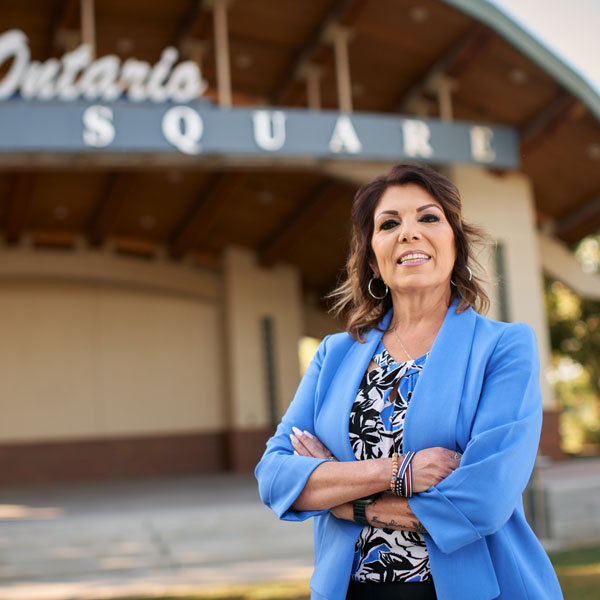
2025-2026 Regular Session Introduced by Michelle Rodriguez

California would require infant/child wearable PFDs to meet safety standards, be tested/certified, properly labeled, and include usage guidance to reduce drowning risk.

Chaptered by Secretary of State - Chapter 31, Statutes of 2026.
0
WeVote Research Nonpartisan
Bill Summary · AB 1571

Bill Summary: AB 1571 (Session 2025-2026) – California

Purpose and intent

AB 1571 aims to enhance product safety in recreational waters by setting requirements for wearable personal flotation devices (PFDs) intended for infants and children. The bill focuses on improving safety outcomes by ensuring wearable PFDs used in or around water meet specified standards, thereby reducing the risk of drowning among young children.

Key provisions and changes

  • Applicability: The bill applies to wearable personal flotation devices designed for infants and children used in recreational water settings.
  • Safety standards and labeling: Establishes or references safety performance standards for wearable PFDs and may require specific labeling to indicate compliance with those standards. This could include material requirements, buoyancy ratings, and visibility/reflective features.
  • Certification/approval process: May create a mechanism for testing, certification, or verification that PFDs meet the stated safety criteria before they can be sold or distributed in California.
  • Enforcement provisions: Likely includes enforcement mechanisms and penalties for non-compliance, such as inspections, citation processes, and potential fines or corrective actions.
  • Consumer information: Could require manufacturers, importers, or retailers to provide clear instructions for use, age/size suitability, and maintenance to ensure effectiveness.
  • Preemption and scope: Clarifies whether the bill preempts local ordinances or overlaps with federal standards, and defines the scope to infants and children, with potential age or weight/size ranges.

Who and what is affected

  • Manufacturers and suppliers: Businesses that design, produce, import, or distribute wearable PFDs for infants and children would need to ensure products comply with the standards and labeling requirements.
  • Retailers and distributors: Entities selling infant or child wearable PFDs in California would need to verify compliance and adhere to any labeling and consumer-information obligations.
  • Consumers: Parents, guardians, and caregivers would benefit from safer, clearly labeled products and improved guidance on proper selection and use.
  • Regulatory and enforcement agencies: State health or consumer safety departments (as designated by the bill) would oversee compliance, enforcement, and potential actions for violations.

Procedural and timeline aspects

  • Committee referrals and actions: The bill progressed through committee stages, including referrals to the Assembly Health Committee and the Senate Rules Committee (for assignment), reflecting standard legislative processing.
  • Key votes and movement:
    • Passed Assembly third reading with unanimous support (Ayes 64, Noes 0) on 2026-04-09.
    • Referred to Senate Health or relevant committees (post-passage to Senate) and subsequently to the Senate Rules Committee for assignment.
    • Referred to the Assembly Privacy and Consumer Protection? (P. & C.P.) Committee earlier in the process, indicating consumer protection considerations.
  • Sponsor and cosponsor: Primary sponsor listed; cosponsor includes Michelle Rodriguez, signaling bipartisan or broad interest in child safety and product standards.

Practical impact and considerations

  • If enacted, California would likely require that wearable PFDs for infants and children meet defined safety criteria prior to sale, with potential certification and ongoing compliance checks.
  • Enhanced labeling and usage instructions could improve proper sizing, fit, and use during water activities, potentially reducing drowning risks.
  • Retailers and manufacturers may incur costs associated with testing, labeling, and possible product recalls or corrective actions if non-compliant.
  • The bill complements existing state consumer safety and child welfare frameworks and may interact with federal toy or PPE standards.

Note: This summary reflects the bill’s stated scope and legislative history as of the latest action dates provided. For exact statutory language, definitions, and specific regulatory standards, refer to the bill’s text and the California Legislature’s bill analysis documents.

Compiled from official sources — confirm details with the bill’s official record.

Sign in to ask a question.