

WeVote

Bill

Bill

SB 3998

PROCUREMENT PROTECTION ACT

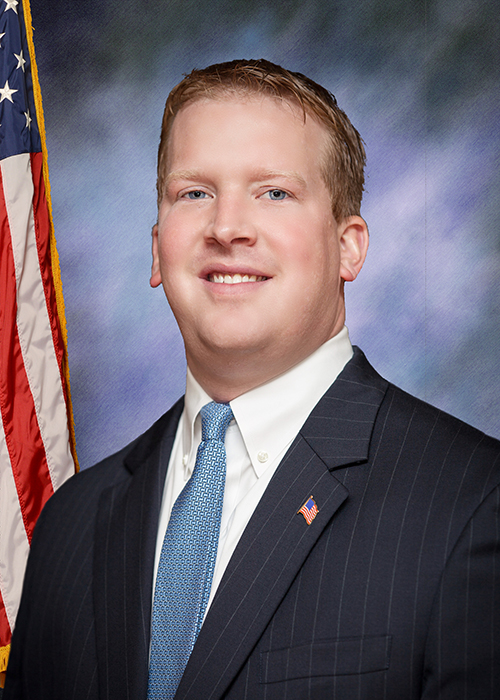
104th Regular Session Introduced by Jason Plummer

Protects procurement processes to ensure fair, timely, and transparent public contracting while deterring retaliation or disruptions against bidders.

Referred to Assignments
0
WeVote Research Nonpartisan
Bill Summary · SB 3998

Bill Overview

SB 3998, introduced in the 104th Illinois General Assembly, is titled the PROCUREMENT PROTECTION ACT. The bill was filed on February 6, 2026, by Senator Jason Plummer (co-sponsor). It currently has been referred to the Assignments committee after a first reading.

Purpose and Intent

  • The bill aims to establish a formal framework to protect the procurement processes of state and local governments (and potentially other entities covered by the act) from certain disruptions, practices, or penalties that could undermine fair and competitive procurement.
  • The overarching goal is to ensure bidders, contractors, and public entities can participate in procurement activities with clearer protections, reducing uncertainty and potential legal or administrative risk in the awarding of public contracts.

Key Provisions and Changes (as proposed)

Note: The exact text of SB 3998 is not provided in the summary. The following outlines the typical elements such a procurement protection measure would addresses, aligned with the bill’s title and common policy components. If enacted, the act may include:

  • Protection of Procurement Processes:
    • Establish standards to safeguard procurements from undue delays, suspensions, or manipulations that could disadvantage bidders or impede timely contract awards.
  • Fair Competition and Bid Integrity:
    • Provisions to prevent retaliation or punitive actions against bidders who participate in legitimate procurement processes.
    • Mechanisms to address protest procedures, bid challenges, and timelines to ensure timely resolution.
  • Remedies and Enforcement:
    • Clear remedies for violations, including potential penalties, corrective actions, or injunctive relief to preserve procurement integrity.
    • Role of state or local authorities in enforcing procurement protections and handling complaints or protests.
  • Transparency and Compliance:
    • Requirements for disclosures, documentation, and auditability to support procurement transparency and compliance with the act.
  • Applicability and Scope:
    • Definitions of covered procurements (e.g., state contracts, local government contracts, or specific agency procurements) and any exclusions.
  • Waivers or Exceptions:
    • Circumstances under which protections may be waived or adapted (emergency procurements, national security considerations, or other statutory exemptions).

Who Would be Affected

  • Public entities: state agencies, departments, and participating local governments engaged in procurement.
  • Bidders and contractors: suppliers, vendors, and service providers seeking public contracts.
  • Procurement and legal staff: personnel responsible for issuing, reviewing, and enforcing bids and contracts.
  • Interested stakeholders: potential protestors or challengers in procurement actions, as well as oversight bodies.

Procedural and Timeline Aspects

  • Status: Filed with Secretary and assigned to the Assignments committee following a first reading.
  • Process: After assignment, SB 3998 would likely proceed through committee consideration (hearings, amendments), potential floor votes in the Senate, and, if advanced, subsequent consideration by the House of Representatives.
  • Effective Date: If enacted, the bill would specify an effective date (often upon signing or a specified future date) and may include phased implementation or transitional provisions for existing procurements.

Potential Impacts and Considerations

  • Pros:
    • Increased clarity and predictability in procurement for both public entities and vendors.
    • Improved defenses against improper procurement practices or unlawful disruptions.
    • Enhanced transparency and accountability in bid processes.
  • Considerations:
    • The balance between swift procurement and protections against delays or protests.
    • The scope of applicability (which procurements are covered) and any exemptions.
    • Interaction with existing procurement laws, rules, and protest mechanisms.

If you can provide the actual text or specific sections of SB 3998, I can offer a more precise, line-by-line analysis of provisions, definitions, and enforcement mechanisms.

Compiled from official sources — confirm details with the bill’s official record.

Sign in to ask a question.