

WeVote

Bill

Bill

SB 1499

PROBATION-EVIDENCE-BASED PRACT

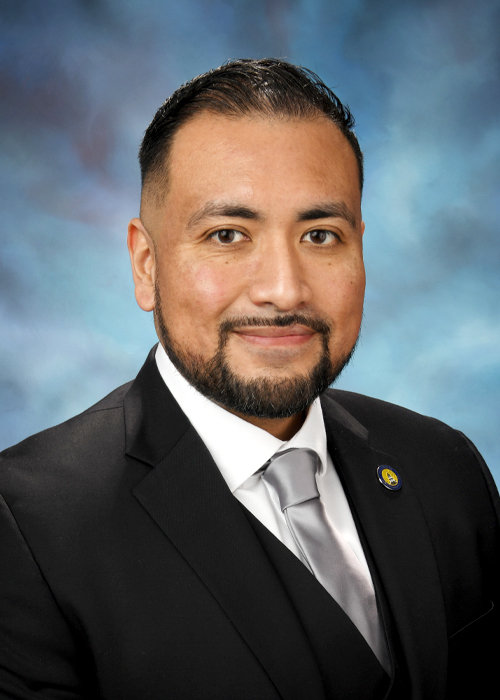
104th Regular Session Introduced by Javier Cervantes

Adds a statutory definition of evidence-based practices to the Probation Act, anchoring use of research-supported supervision to improve outcomes for offenders.

Referred to Assignments
0
WeVote Research Nonpartisan
Bill Summary · SB 1499

Summary — SB 1499: Probation — “Evidence‑Based Practices”

Status: Referred to Assignments
Introduced: February 20, 2025
Primary subject: Probation / Probation Officers Act (statutory definitions)
Primary change: Adds a statutory definition of “evidence‑based practices” and clarifies related definitional language in Section 9b (730 ILCS 110/9b)

Purpose / Intent

The bill’s principal purpose is to incorporate an explicit, statutory definition of “evidence‑based practices” into the Probation and Probation Officers Act. By doing so, the bill aims to clarify what constitutes acceptable, research‑supported supervision methods that probation departments and officers may use to improve outcomes for supervised adults and juveniles.

Key provisions

  • Amends Section 9b of the Probation and Probation Officers Act (730 ILCS 110/9b) to add the following definition:
    • “Evidence‑based practices” — “any procedures, practices, or methods of supervision that have been studied and reviewed with an emphasis on such practices that enable probation officers to improve the outcomes when applied in their supervision of offenders and defendants.”
  • Revises or clarifies several related definitional terms in Section 9b (as amended text indicates edits to definitions for “Division,” “Department,” “Probation Officer,” “Basic or county services,” “New or Expanded Services,” “Individualized Services and Programs,” “Jurisdiction,” and “Transfer case”). These changes appear intended to modernize or clarify who and what entities are covered under the Act (probation departments, court services, personnel classifications and program types).

Who is affected

  • Probation officers and other staff employed by probation or court services departments in the state.
  • Probation/court services departments and the Administrative bodies that oversee them (e.g., the Division of Probation Services of the Supreme Court).
  • Courts, program administrators, and vendors that design or deliver supervision programs and services for offender rehabilitation and pretrial or post‑conviction supervision.
  • Indirectly, persons on probation or supervised defendants/clients whose supervision will be guided by practices that meet the statutory definition.

Likely impacts and implementation considerations

  • Provides a statutory anchor for use of research‑supported supervision approaches (risk/need/ responsivity models, cognitive‑behavioral interventions, validated assessment tools), which can guide policy, training, procurement, and performance measurement.
  • May prompt updates to departmental policies, officer training curricula, purchases of evidence‑based programs, and monitoring/evaluation practices to ensure compliance with the clarified statutory standard.
  • The Division of Probation Services and courts may need to issue guidance or rules to operationalize the definition (e.g., criteria for what counts as “studied and reviewed,” documentation requirements, approval of vendor programs).
  • Financial and administrative implications could arise (training costs, program evaluation, contracting), depending on whether the definition is followed by implementation mandates or funding incentives.

Procedural / timeline notes

  • Introduced February 20, 2025; currently listed as “Referred to Assignments.” (No further committee or floor action recorded in the materials provided.)
  • The statutory amendment target is Section 9b (730 ILCS 110/9b) of the Probation and Probation Officers Act.

If you want, I can:
- Extract the exact redline text and show the before/after statutory language; or
- Draft a short implementation checklist for probation departments to align with this new statutory definition.

Compiled from official sources — confirm details with the bill’s official record.

Sign in to ask a question.