

WeVote

Bill

Bill

HR 8953

Preserving Community Food Assistance Act of 2026

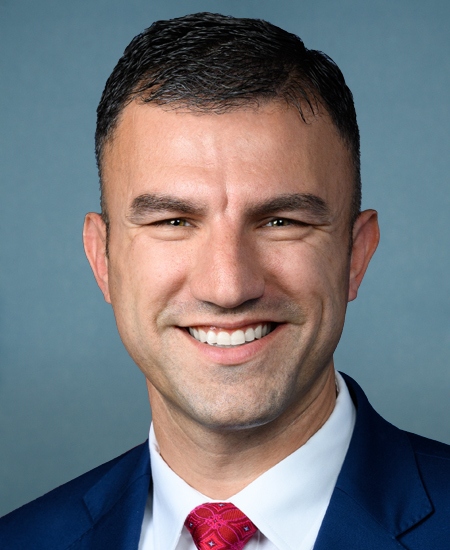
119th Congress Introduced by Rudy Yakym

Preserving community food assistance by safeguarding eligibility and streamlining administration to minimize benefit disruptions for current participants.

Introduced in House
0
WeVote Research Nonpartisan
Bill Summary · HR 8953

Overview

HR 8953, the Preserving Community Food Assistance Act of 2026, introduces changes to federal food assistance programs and related community-based supports. The bill was introduced in the House and referred to the Agriculture Committee on May 21, 2026. Co-sponsor: Rudy Yakym.

Purpose and intent

  • The bill aims to preserve access to community food assistance by modifying eligibility, funding, or operational aspects of federal food assistance programs (such as SNAP or related nutrition supports) and reinforcing local/community-based food programs.
  • It appears to focus on safeguarding continuity of benefits and support services for individuals and households relying on food assistance, particularly within vulnerable communities.

Key provisions and changes (as described in the bill text)

  • Eligible participants: The bill may adjust eligibility criteria or maintain existing thresholds to prevent gaps in access to food assistance, ensuring that current beneficiaries retain support unless specified exceptions apply.
  • Benefit administration: Provisions may address how benefits are issued, redetermined, or coordinated with other nutrition programs to minimize disruption at the community level.
  • Program funding and administration: The bill could authorize or preserve funding streams for federal food assistance programs and authorize agencies to implement or maintain community-based outreach and support services.
  • Local and voluntary programs: Potential emphasis on supporting partnerships with local organizations (food banks, pantries, community centers) to deliver or supplement benefits and services at the community level.
  • Reporting and oversight: The bill may include compliance, reporting, or oversight requirements to ensure program integrity and effectiveness, including potential timelines for reviews or reevaluation.

Note: Since the full text is not provided here, the summary focuses on the bill’s stated aim to preserve community food assistance and typical mechanisms such bills use (eligibility safeguards, administration efficiency, and local coordination). For precise language, section-by-section provisions, and numeric details (dollar amounts, funding levels, specific eligibility thresholds), the actual bill text should be consulted.

Affected parties

  • Primary: Individuals and households currently participating in federal food assistance programs who rely on stable benefits.
  • Local communities and organizations: Food banks, pantries, and community service providers partnering with federal programs to distribute or supplement nutrition assistance.
  • Federal agencies administering nutrition programs (e.g., USDA agencies), which would implement or adjust program rules and coordination.

Procedural and timeline aspects

  • Status: Introduced in the House and referred to the House Committee on Agriculture on May 21, 2026.
  • Next steps: Committee consideration, potential markup, House floor debate and vote, and possible Senate consideration or conference if enacted into law.
  • Effective dates: Not specified in the available summary; typical legislation includes an effective date or phase-in period for new provisions.

Potential impacts and considerations

  • Access stability: If enacted as intended, beneficiaries may experience reduced risk of benefit loss or disruption during program redeterminations or administrative changes.
  • Implementation: Agencies and local partners may need to adjust outreach, application, and coordination practices to align with new or preserved requirements.
  • Fiscal implications: Funding authority or preservation efforts could influence federal budget allocations for nutrition programs.

For readers seeking precise, actionable details (e.g., exact eligibility criteria, funding levels, and implementation timelines), please refer to the full text of HR 8953 and any accompanying summaries or sponsor statements.

Compiled from official sources — confirm details with the bill’s official record.

Sign in to ask a question.