

WeVote

Bill

Bill

HR 1656

PLUS for Veterans Act of 2025

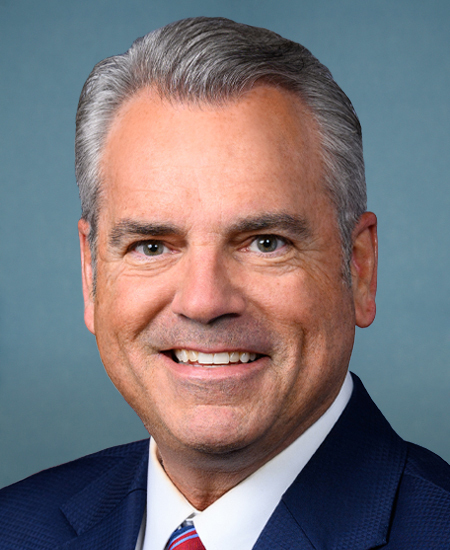
119th Congress Introduced by Mark Alford and 19 co-sponsors

PLUS for Veterans Act of 2025 (HR 1656) OverviewThe PLUS for Veterans Act of 2025 is a bill introduced in the U.S. House of Representatives that aims to expand educational and care

Referred to the Subcommittee on Disability Assistance and Memorial Affairs.
0
WeVote Research Nonpartisan
Bill Summary · HR 1656

PLUS for Veterans Act of 2025 (HR 1656)

Overview

The PLUS for Veterans Act of 2025 is a bill introduced in the U.S. House of Representatives that aims to expand educational and career support programs for military veterans. The primary goal of the legislation is to help more veterans successfully transition to civilian life after their service.

Key Provisions

The bill would make the following key changes:

  1. Expand the VA's Personalized Career Planning and Guidance (PCPG) Program: The bill would increase funding for the PCPG program, which provides personalized career counseling and employment services to veterans. This would allow the VA to serve more veterans and enhance the quality of its career support offerings.

  2. Establish a "PLUS" Educational Assistance Benefit: The legislation would create a new "PLUS" supplemental education benefit for veterans. This would provide up to $20,000 in additional tuition assistance for veterans pursuing higher education or vocational training programs.

  3. Increase Grants for Veteran-Serving Nonprofits: The bill would significantly expand federal grant funding for nonprofit organizations that deliver job training, entrepreneurship support, and other transition services specifically for veterans and their families.

  4. Extend the Veterans Economic Community Initiative: The bill would continue and expand the VA's existing Veterans Economic Community Initiative, which partners with local employers and community organizations to connect veterans to career opportunities.

Impact

The PLUS for Veterans Act is intended to address key challenges many veterans face when transitioning from military to civilian life, such as finding stable employment and affording higher education. If enacted, the legislation could benefit hundreds of thousands of veterans by:

  • Improving access to personalized career guidance and job placement assistance from the VA
  • Providing critical supplemental funding to help veterans pay for college, vocational programs, and other training
  • Strengthening the network of nonprofit organizations dedicated to serving the employment and entrepreneurship needs of veterans
  • Facilitating stronger partnerships between the VA, local employers, and community resources to create more career opportunities for veterans

Overall, the bill aims to enhance the support systems and financial resources available to help veterans successfully navigate the transition to civilian life and achieve their education and career goals.

Compiled from official sources — confirm details with the bill’s official record.

Sign in to ask a question.