Summary of HR 2369 - PHIT Act of 2025
Overview
The PHIT Act of 2025 (HR 2369) is a legislative proposal introduced in the House of Representatives on March 26, 2025. The bill aims to promote physical activity and improve public health by providing tax incentives for individuals who engage in fitness-related expenses.
Purpose and Intent
The primary goal of the PHIT Act is to encourage Americans to lead healthier lifestyles by making it more affordable for them to participate in physical activities. By offering tax deductions for certain fitness-related expenses, the bill seeks to reduce healthcare costs associated with sedentary lifestyles and chronic diseases.
Key Provisions
The PHIT Act includes several significant provisions:
Tax Deductions for Fitness Expenses: The bill proposes allowing individuals to deduct up to $1,000 (or $2,000 for joint filers) from their taxable income for qualified fitness expenses. These expenses may include:
- Gym memberships
- Fitness classes
- Sports equipment
- Other related costs that promote physical activity
Qualified Expenses: The bill outlines specific categories of expenses that qualify for the tax deduction, ensuring that the incentives are targeted toward activities that genuinely promote health and fitness.
Implementation Timeline: If passed, the provisions of the PHIT Act would take effect for tax years beginning after December 31, 2025.
Affected Parties
The PHIT Act would primarily benefit:
Individuals and Families: Taxpayers who engage in physical activities would have the opportunity to reduce their tax burden, making fitness more financially accessible.
Fitness Industry: Gyms, fitness centers, and related businesses may see an increase in membership and participation as more individuals seek to take advantage of the tax incentives.
Healthcare System: By promoting physical activity, the bill aims to reduce the prevalence of lifestyle-related health issues, potentially lowering healthcare costs for both individuals and the system as a whole.
Legislative Process
- Introduced: March 26, 2025
- Referred to Committee: The bill has been referred to the House Committee on Ways and Means for further consideration.
Sponsors
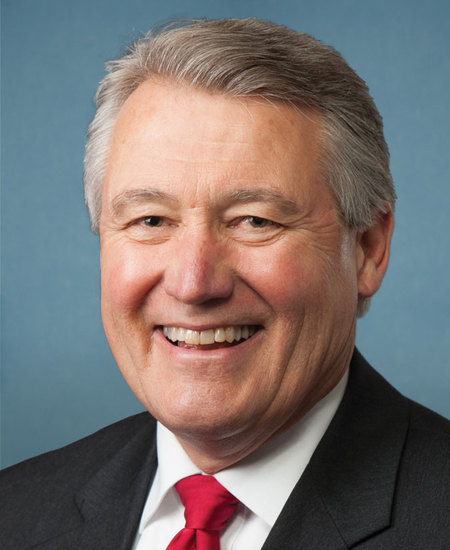
The bill is sponsored by Mike Kelly, with a diverse group of 17 cosponsors from both parties, indicating a bipartisan interest in promoting public health through physical activity.
Related Legislation
The PHIT Act has a companion bill, S 1144, which is being considered in the Senate, suggesting a coordinated effort to advance this initiative across both chambers of Congress.
This summary provides a clear understanding of the PHIT Act of 2025, its objectives, and its potential impact on individuals and the broader healthcare landscape.