

WeVote

Bill

Bill

A 3734

Permits schools to allow trade unions to make a recruitment presentation in a high school

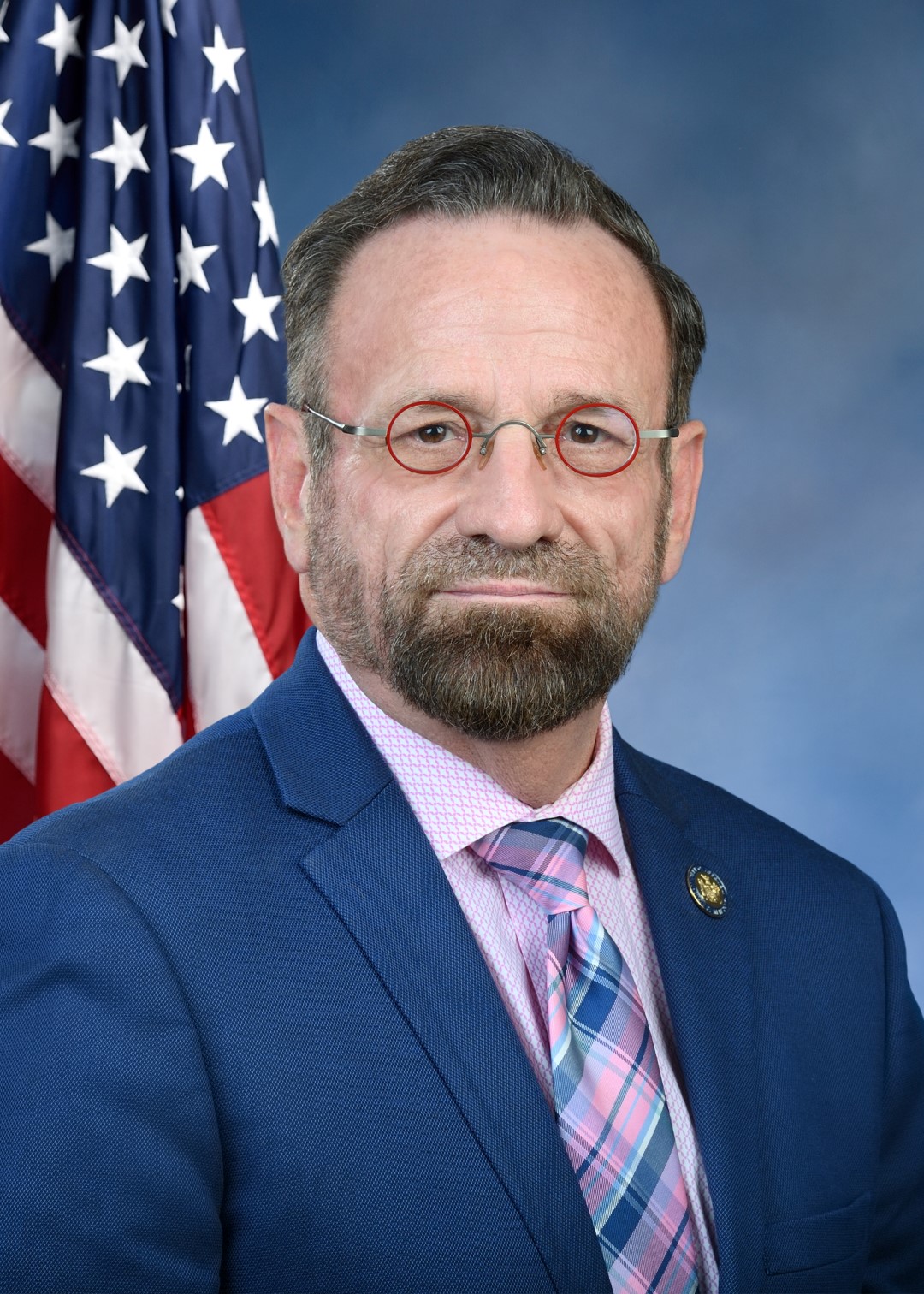
2025 Regular Session Introduced by Harry Bronson

The bill allows courts to order wireless providers to transfer a victim’s number billing rights and control to the victim, shifting financial responsibility to the victim.

REFERRED TO EDUCATION
0
WeVote Research Nonpartisan
Bill Summary · A 3734

Summary — A-3734 (2024–2025)

Note on title discrepancy: The bill text and committee statement for A-3734 concern transfer of wireless telephone numbers for victims of domestic violence and stalking. The title provided separately (about trade union recruitment in schools) does not match the bill language below. This summary reflects the bill language and committee report.

Purpose

To give courts the authority, as part of final or permanent restraining orders, to direct wireless service providers to transfer the billing responsibility for — and rights to — a wireless telephone number to a victim of domestic violence or stalking, if the victim is not the account holder. The goal is to enhance victim safety and privacy by removing an abusive party’s control over a phone number used to harass or track a victim.

Key provisions

  • Applicability:

    • Applies when a court issues a final restraining order under the Prevention of Domestic Violence Act (P.L.1991, c.261) or a permanent restraining order for stalking (C.2C:12-10.1).
    • Transfer may be ordered at the victim’s request.
  • Court order requirements:

    • The transfer order must be a separate order directed to the wireless provider.
    • Order must identify the account holder (name and billing number), the person receiving the number (name and contact info), and each telephone number to be transferred.
    • The court must ensure the victim’s contact information is not disclosed to the account holder in domestic violence proceedings.
  • Service and delivery of the order:

    • Committee amendment: the victim, or a designee of the victim, provides the order to the wireless service provider (previously required service on the provider’s registered agent).
  • Provider responses and limitations:

    • Provider must notify the victim and the court within 72 hours if it cannot operationally or technically effectuate the transfer, and must state reasons (examples: account already terminated, incompatible network technology, geographic/service limitations).
    • Providers may apply routine account-establishment requirements (ID, financial information, etc.) to the victim.
  • Financial responsibility and reimbursement:

    • Once transferred, the victim assumes all financial responsibility for the number, monthly service, and any device costs.
    • The court may, at the victim’s request, order the defendant to reimburse fees associated with the transfer.
  • Liability protection:

    • No wireless provider, officer, employee, or agent may be held liable for actions taken in accordance with a court order under the bill.
  • Effective date:

    • Takes effect the first day of the sixth month following enactment; Administrative Director of the Courts may take anticipatory implementation steps.

Who is affected

  • Primary beneficiaries: victims of domestic violence and stalking who obtain final or permanent restraining orders and are not the account holders of potentially compromising phone numbers.
  • Wireless service providers: must process transfer orders, respond within 72 hours if unable to comply, and may apply standard account-setup procedures.
  • Defendants: courts may require reimbursement for transfer-related fees.
  • Courts: will have a new, discrete orderable remedy to protect victim privacy and safety.

Procedural / legislative status (selected)

  • Introduced in Assembly: Feb 22, 2024
  • Reported out of Assembly Judiciary Committee with amendments: Mar 10, 2025
  • Passed Assembly: Mar 24, 2025 (78-0-0)
  • Received in Senate: May 12, 2025 — referred to Senate Judiciary Committee
  • Effective timing: 1st day of sixth month after enactment (if enacted)

Related / companion bills

  • S-1938 (companion)
  • A-10591 (prior-session)

Impact summary: The bill creates a targeted legal mechanism to transfer control of wireless numbers to victims of abuse, improving safety and privacy while preserving provider protections and accounting for technical limitations and standard account processes.

Compiled from official sources — confirm details with the bill’s official record.

Sign in to ask a question.