

WeVote

Bill

Bill

HB 39

PERMANENT DAYLIGHT SAVING TIME

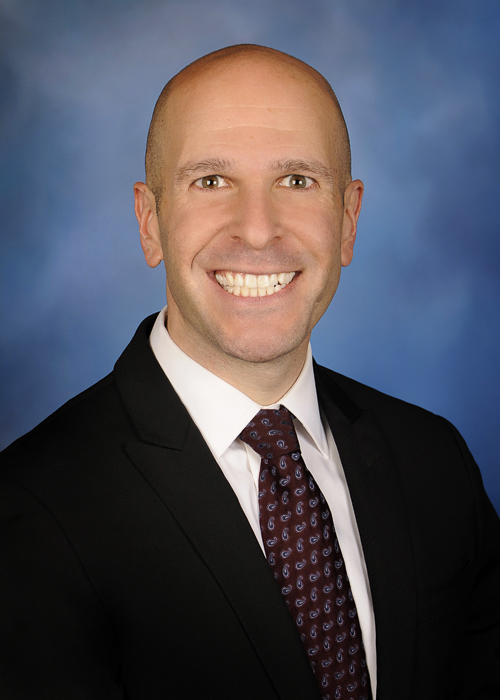
104th Regular Session Introduced by Bob Morgan and 1 co-sponsor

Illinois bill would establish permanent Daylight Saving Time year-round, requiring federal approval and shifting winter sunrises to 8+ a.m., affecting school schedules, sleep patterns, and public safety.

Rule 19(a) / Re-referred to Rules Committee
0
WeVote Research Nonpartisan
Bill Summary · HB 39

Legislative bill overview

HB 39 would establish permanent Daylight Saving Time in Illinois, eliminating the twice-yearly clock changes and keeping the state on extended daylight hours year-round. This would require federal approval under the Uniform Time Act, which allows states to opt into permanent daylight saving but not permanent standard time.

Why is this important

Permanent daylight saving time would shift sunrise/sunset times significantly, affecting sleep patterns, school schedules, workplace routines, and public safety. The change has substantial implications for energy consumption, child safety, circadian rhythms, and economic activity patterns across the entire state.

Potential points of contention

  • Federal compliance: The Uniform Time Act prohibits permanent standard time; Illinois would need federal approval and couldn't choose permanent standard time (darker mornings, lighter evenings) as an alternative
  • Health and safety concerns: Winter mornings would see sunrise as late as 8:15 a.m. in northern Illinois, potentially affecting school safety, student alertness, and circadian disruption for children and workers
  • Regional coordination: Neighboring states' different time decisions create border confusion for commerce, transportation, and communications; fragmented adoption reduces benefits
  • Energy consumption uncertainty: Research shows mixed results on actual energy savings; permanent daylight time may increase heating costs in winter mornings and evening air conditioning use

Compiled from official sources — confirm details with the bill’s official record.

Sign in to ask a question.