

WeVote

Bill

Bill

HR 3664

PAID Act

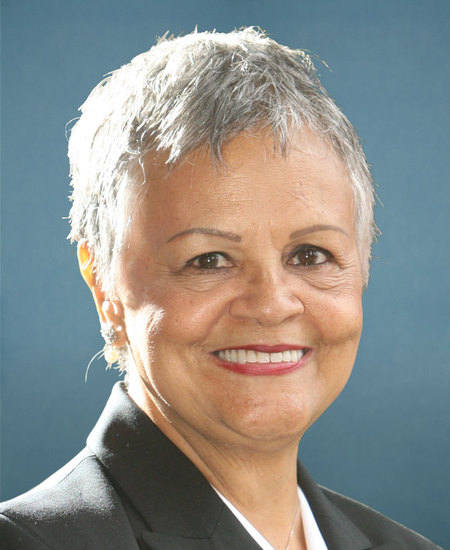
119th Congress Introduced by Bonnie Watson Coleman and 2 co-sponsors

HR 3664, the PAID Act, has been introduced and sent to Financial Services and Energy & Commerce; its concrete policy changes remain unknown until the bill text is released.

Introduced in House
0
WeVote Research Nonpartisan
Bill Summary · HR 3664

Summary of HR 3664 — PAID Act

Overview

  • Bill number: HR 3664
  • Title: PAID Act
  • Status: Introduced in the U.S. House of Representatives
  • Introduced: May 29, 2025

Note: The material provided for this bill does not include the full text or a detailed description of its substantive provisions. As a result, this summary focuses on the available administrative and contextual information and explains what is known and what remains to be determined once the bill’s text is released.

Sponsorship

  • Primary sponsor: Bonnie Watson Coleman
  • Cosponsors: Mark Takano, Rashida Tlaib

Legislative Actions to Date

  • 2025-05-29: Introduced in the House and referred to the Committee on Financial Services, and in addition to the Committee on Energy and Commerce, for a period to be subsequently determined by the Speaker, in each case for consideration of such provisions as fall within the jurisdiction of the committee concerned.
  • 2025-05-29: Introduced in the House

What the PAID Act Is (as far as the record shows)

  • The bill’s exact policy objectives, statutory changes, and operational details are not provided in the available information. The title “PAID Act” does not, by itself, define the bill’s scope or impact. The specific provisions, definitions, and programmatic or regulatory changes will be found in the text of the bill once released.

Likely Affected Areas (Based on Jurisdictional Cues)

  • Given referral to the Committee on Financial Services, the bill may involve matters related to banking, credit, financial markets, consumer protection in financial services, housing finance, or other financial regulatory issues.
  • Given referral to the Committee on Energy and Commerce, the bill may also touch on consumer protections, commerce, energy, telecommunications, public health or other broad areas within that committee’s jurisdiction.
  • The combination of committee referrals suggests the bill could contain provisions that intersect finance and consumer markets, but specific impacts cannot be determined without the bill text.

What Would Be Affected (Once Text Is Released)

  • Individuals and households: possible consumer protections, financial obligations, or eligibility for programs.
  • Financial institutions and markets: potential new requirements, protections, disclosures, or regulatory standards.
  • Industries touched by energy, telecommunications, or consumer services: depending on the bill’s scope.
  • Federal agencies: potential new mandates, reporting requirements, or rulemaking authority.

Timeline and Process to Watch

  • Committee action: The bill has been referred to the relevant committees. Members may hold hearings, propose amendments, and advance a markup.
  • Floor action: If reported out of committee, the bill could be brought to the House floor for debate and a vote.
  • Passage and onward: If approved by the House, the bill would move to the Senate (where it would face its own consideration and committee process) and ultimately to the President for signing or veto.
  • Official summaries and scores: Watch for a formal committee report, a Congressional Budget Office (CBO) score, and a plain-English summary released by Congress.gov or the sponsor offices.

How to Track Updates

  • Check Congress.gov for HD text, sponsors, amendments, and status.
  • Look for committee hearing notices, markup schedules, and floor calendars.
  • Monitor sponsor press releases and the CBO scoring once available.

If you’d like, I can monitor for the bill’s text and provide a detailed provisions-focused summary as soon as the official language is released.

Compiled from official sources — confirm details with the bill’s official record.

Sign in to ask a question.