

WeVote

Bill

Bill

HR 9829

ORTHO Act

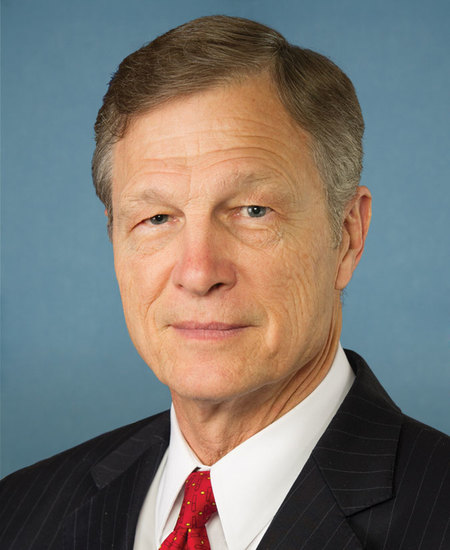
119th Congress Introduced by Brian Babin and 3 co-sponsors

The ORTHO Act would establish and/or modify federal programs and oversight affecting orthopedic care, including reimbursement, safety standards, and funding for research and workfo

Introduced in House
0
WeVote Research Nonpartisan
Bill Summary · HR 9829

Summary of HR 9829 (119th Congress) – ORTHO Act

Purpose and intent

  • The ORTHO Act is a bill introduced in the House of Representatives, with multiple co-sponsors. While the specific text is not provided here, the bill’s title and typical scope suggest it focuses on orthopedic-related health policy, oversight, or reimbursement issues within federal programs. The precise objectives, definitions, and targeted programs would be detailed in the bill’s text, including how it would improve access, quality, or efficiency in orthopedic care, research, or regulation.

Key provisions and changes (as generally expected for a bill of this type)

  • Establishes or modifies programmatic authorities related to orthopedics in federal health programs or research.
  • May enact new reporting, oversight, or transparency requirements for orthopedic care providers, facilities, or federal contractors.
  • Could address reimbursement mechanisms (billing, coding, or payment rates) for orthopedic services under federal programs (e.g., Medicare/other public payers) or create demonstration projects.
  • Might set safety, quality, or patient-protection standards specific to orthopedic procedures, devices, or implants.
  • Potential authorization of funding for research, clinical trials, or workforce development in orthopedics, including training or residency initiatives.
  • Possible modernization or streamlining of regulatory processes affecting orthopedic devices, implants, or procedures, including FDA or related agency actions.
  • May include reporting requirements to Congress on outcomes, utilization, and cost impacts of orthopedic-related policies.

Who or what would be affected

  • Federal health programs and beneficiaries, particularly those accessing orthopedic services.
  • Orthopedic physicians, hospitals, clinics, and device manufacturers engaged with federal programs or affected by reimbursement and regulatory changes.
  • Federal agencies involved in health policy, reimbursement, device regulation, and health research.
  • Researchers and institutions conducting orthopedic-related studies or demonstrations funded or overseen by the federal government.
  • State and local health systems that participate in federal programs or demonstrations influenced by the bill.

Procedural and timeline aspects

  • Introduced in the House and referred to the House Committee on Energy and Commerce on July 22, 2026.
  • With referral to a committee, the bill will undergo subcommittee review, hearings, and markups, where amendments may be proposed.
  • If committee approval is obtained, the bill would advance to the full House for consideration and votes, and, if passed, move to the Senate (subject to Senate action) along with any potential conference process if there are differences between chamber versions.
  • The exact fiscal year funding authorizations, effective dates, and any sunset provisions would be specified in the bill text.

Sponsors

  • Co-sponsors include:
    • John Joyce
    • Jeff Van Drew
    • Paul Gosar
    • Brian Babin

Notes

  • This summary is based on the bill’s title, stated action history, and sponsor information. For precise provisions, fiscal details, dates of effectiveness, and the full scope of reforms, the bill’s text and accompanying committee reports should be consulted. If you’d like, I can analyze the exact language once the text is available.

Compiled from official sources — confirm details with the bill’s official record.

Sign in to ask a question.