

WeVote

Bill

Bill

HR 126

Original Students Voicing Opinions in Today’s Elections (VOTE) Act

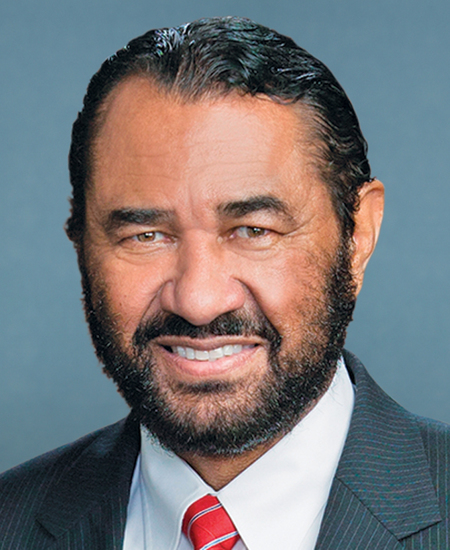
119th Congress Introduced by Al Green

HR 126 proposes a constitutional amendment lowering the federal voting age from 18 to 16 to increase youth political participation in national elections.

Introduced in House
0
WeVote Research Nonpartisan
Bill Summary · HR 126

Legislative bill overview

HR 126 lowers the voting age from 18 to 16 for all federal elections in the United States. The bill would amend the Constitution through a proposed amendment, requiring approval from two-thirds of both chambers of Congress and ratification by three-fourths of state legislatures. This represents a significant structural change to voting eligibility that would make the U.S. one of relatively few democracies with 16-year-old voters in national elections.

Why is this important

The voting age affects political participation, representation of younger demographics, and civic engagement patterns. Currently, 16-year-olds can vote in some state and local elections but not federal ones, creating an inconsistency in voting rights. This proposal directly addresses whether younger citizens should have a voice in federal decision-making that affects their futures, particularly on issues like climate, education, and economic policy.

Potential points of contention

  • Brain development and maturity: Critics argue 16-year-olds lack sufficient cognitive development for informed voting, while supporters counter that many are politically engaged and affected by policy outcomes
  • Consistency with other age-based restrictions: Questions arise about whether lowering voting age to 16 conflicts with age-of-majority laws (18) for contracts, military service, and legal responsibilities
  • Constitutional amendment difficulty: Requiring 67 votes in the House and 34 state legislatures makes passage extraordinarily difficult; supporters must demonstrate substantial bipartisan consensus for such a fundamental change

Compiled from official sources — confirm details with the bill’s official record.

Sign in to ask a question.