

WeVote

Bill

Bill

SF 1878

Organics recycling services provided by residents who do not recycle organics requirement elimination provision

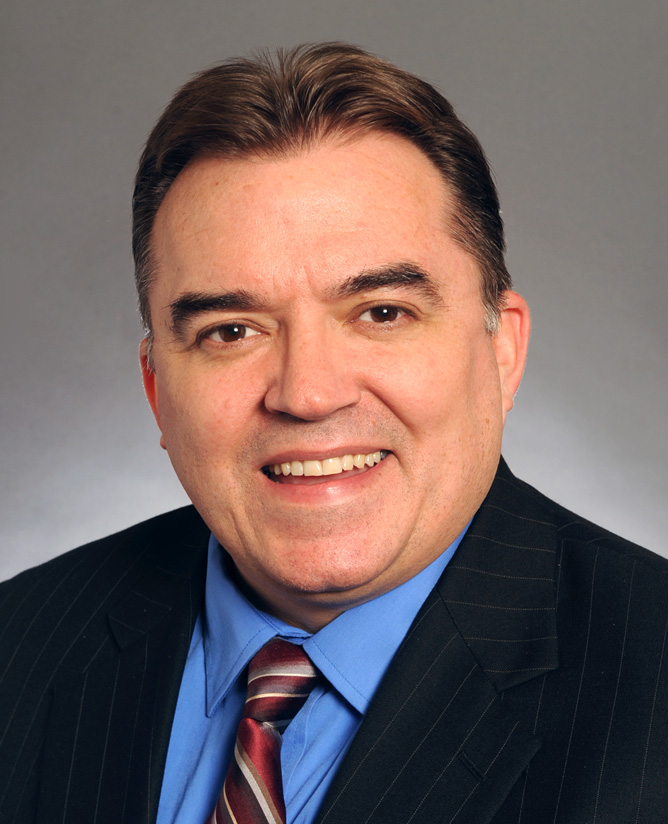
2025-2026 Regular Session Introduced by John Hoffman and 1 co-sponsor

SF 1878 eliminates mandatory residential organics recycling requirements, making participation voluntary and allowing residents to opt out without penalty.

Referred to Environment, Climate, and Legacy
0
WeVote Research Nonpartisan
Bill Summary · SF 1878

Legislative bill overview

SF 1878 would eliminate mandatory organics recycling requirements for residential customers who choose not to participate in organics recycling programs. The bill appears to make organics recycling voluntary rather than compulsory for Minnesota residents, removing penalties or service denial for non-participation.

Why is this important

Organics recycling (composting food scraps and yard waste) is increasingly mandated by states and municipalities to reduce landfill waste and methane emissions. This bill directly challenges that approach by allowing residents to opt out entirely. The outcome affects waste management infrastructure planning, environmental goals, and whether Minnesota continues expanding its circular economy initiatives.

Potential points of contention

  • Environmental impact: Composting diverts significant waste from landfills and reduces methane emissions; eliminating requirements could undermine state climate goals and waste reduction targets
  • Program economics: Voluntary participation may destabilize organics collection infrastructure, affecting service availability and costs for those who do want the program
  • Equity concerns: Mandatory programs ensure universal access; voluntary programs may create disparities where only certain neighborhoods maintain adequate service

Compiled from official sources — confirm details with the bill’s official record.

Sign in to ask a question.