

WeVote

Bill

Bill

HR 1478

One Seat Ride Act

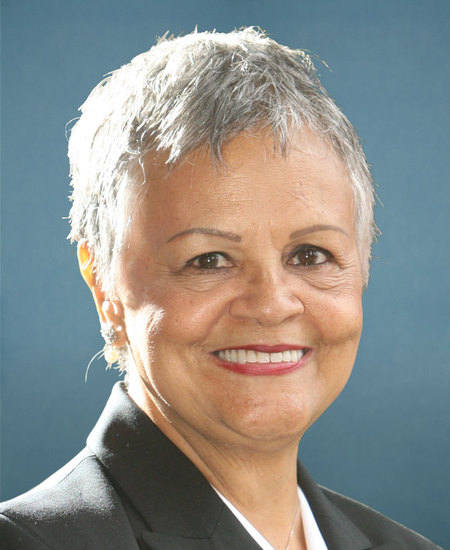
119th Congress Introduced by Bonnie Watson Coleman

The One Seat Ride Act mandates direct train services between major cities, enhancing commuter convenience and reducing travel times through improved infrastructure and funding.

Introduced in House
0
WeVote Research Nonpartisan
Bill Summary · HR 1478

Summary of HR 1478 - One Seat Ride Act

Purpose and Intent

The One Seat Ride Act (HR 1478) aims to enhance the efficiency and accessibility of public transportation systems across the United States. The primary goal of the bill is to facilitate direct, uninterrupted train services between major urban centers, thereby improving commuter convenience and reducing travel times.

Key Provisions

While the specific text of the bill is not provided, the following key provisions can be anticipated based on the title and intent of the legislation:

  • Direct Train Services: The bill likely mandates the establishment of direct train routes that allow passengers to travel between cities without needing to transfer trains.

  • Funding and Support: The legislation may include provisions for federal funding to support the development and implementation of these direct routes, potentially involving partnerships with state and local transit authorities.

  • Infrastructure Improvements: The bill could call for necessary upgrades to rail infrastructure to accommodate the new services, ensuring safety and efficiency.

  • Passenger Experience Enhancements: Provisions may be included to improve the overall passenger experience, such as better scheduling, real-time updates, and amenities on trains.

Affected Parties

The One Seat Ride Act would primarily affect:

  • Commuters: Individuals who rely on public transportation for daily travel between urban centers would benefit from reduced travel times and increased convenience.

  • Transit Authorities: Local and regional transit authorities would be involved in the implementation of the new services, potentially requiring collaboration with federal agencies.

  • Rail Operators: Companies operating rail services may need to adjust their schedules and operations to accommodate the new direct routes.

Procedural Timeline

  • Introduced: The bill was introduced in the House on February 21, 2025.
  • Referred to Committees: On the same day, it was referred to:
    • The Subcommittee on Railroads, Pipelines, and Hazardous Materials
    • The House Committee on Transportation and Infrastructure

This referral indicates that the bill will undergo further review and discussion in these committees before any potential voting or amendments.

Conclusion

The One Seat Ride Act represents a significant step towards modernizing public transportation in the U.S. by promoting direct train services that enhance commuter convenience. As the bill progresses through legislative channels, its provisions and potential impacts will be further clarified, making it a key focus for stakeholders in the transportation sector.

Compiled from official sources — confirm details with the bill’s official record.

Sign in to ask a question.