

WeVote

Bill

Bill

HR 2542

Old Drugs, New Cures Act

119th Congress Introduced by Don Davis and 1 co-sponsor

HR 2542 aims to repurpose older drugs to speed new cures, potentially accelerating approvals and patient access; specifics await the bill text.

Introduced in House
0
WeVote Research Nonpartisan
Bill Summary · HR 2542

Summary of HR 2542 — Old Drugs, New Cures Act

Overview

  • Bill Number: HR 2542
  • Title: Old Drugs, New Cures Act
  • Status: Introduced in the House (not yet enacted)
  • Introduced: April 1, 2025
  • Classification: Bill

Sponsorship and Referral

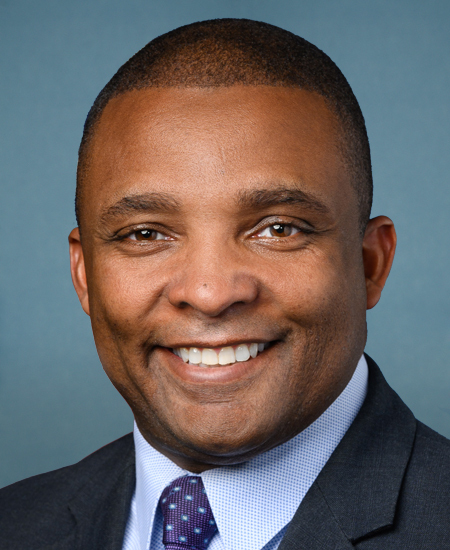
  • Primary Sponsor: Donald G. Davis
  • Cosponsor: August Pfluger
  • Committee Referrals:
    • House Committee on Energy and Commerce
    • House Committee on Ways and Means
  • Procedural Note: The bill is referred to the committees for consideration of provisions within their jurisdiction. The text indicates a period to be determined by the Speaker for each referral.

Purpose and Intent

  • The specific policy goals and purposes of HR 2542 are not detailed in the information provided.
  • The title, “Old Drugs, New Cures Act,” suggests a focus on enabling the use of existing or older pharmaceuticals to facilitate new therapeutic uses or faster development of treatments, but the actual legislative text would be needed to confirm the precise objectives and mechanisms.

Key Provisions (Status)

  • Provided Information: None about the substantive provisions or changes the bill would make.
  • As a result, there is no available summary of specific requirements, regulatory changes, funding, timelines, or affected programs/participants from the text you shared.

Potential Impact (General Considerations)

  • Without the bill text, impacts cannot be stated with certainty. In broad terms, bills framed around “old drugs” and “new cures” often touch on:
    • Accelerated or streamlined development and approval pathways for repurposed drugs.
    • Funding or incentives for research into existing medications for new indications.
    • Regulatory or oversight adjustments involving agencies like the FDA.
  • Typical affected parties could include patients seeking new therapies, pharmaceutical and biotechnology companies, healthcare providers, researchers, and agency staff, but actual effects would depend on the enacted provisions.

Procedural Timeline (General)

  • The bill has been introduced and assigned to the relevant committees.
  • Further action would require committee review, potential amendments, and Floor consideration in the House.
  • The specific timing depends on committee schedules and actions determined by the Speaker.

Next Steps

  • If you can provide the full bill text or any summaries released by the sponsor, I can produce a detailed provision-by-provision analysis, including potential impacts, funding mechanisms, timelines, and affected programs.
  • Alternatively, I can monitor for updates and generate an updated summary once the bill’s text or committee reports become available.

Compiled from official sources — confirm details with the bill’s official record.

Sign in to ask a question.