

WeVote

Bill

Bill

HB 1108

Oklahoma Open Meeting Act; adding the Judicial Nominating Commission to the definition of a public body; effective date.

2026 Regular Session Introduced by Micheal Bergstrom and 1 co-sponsor

Bill reclassifies Oklahoma's Judicial Nominating Commission as a public body, requiring open meetings and transparent judicial candidate evaluation processes.

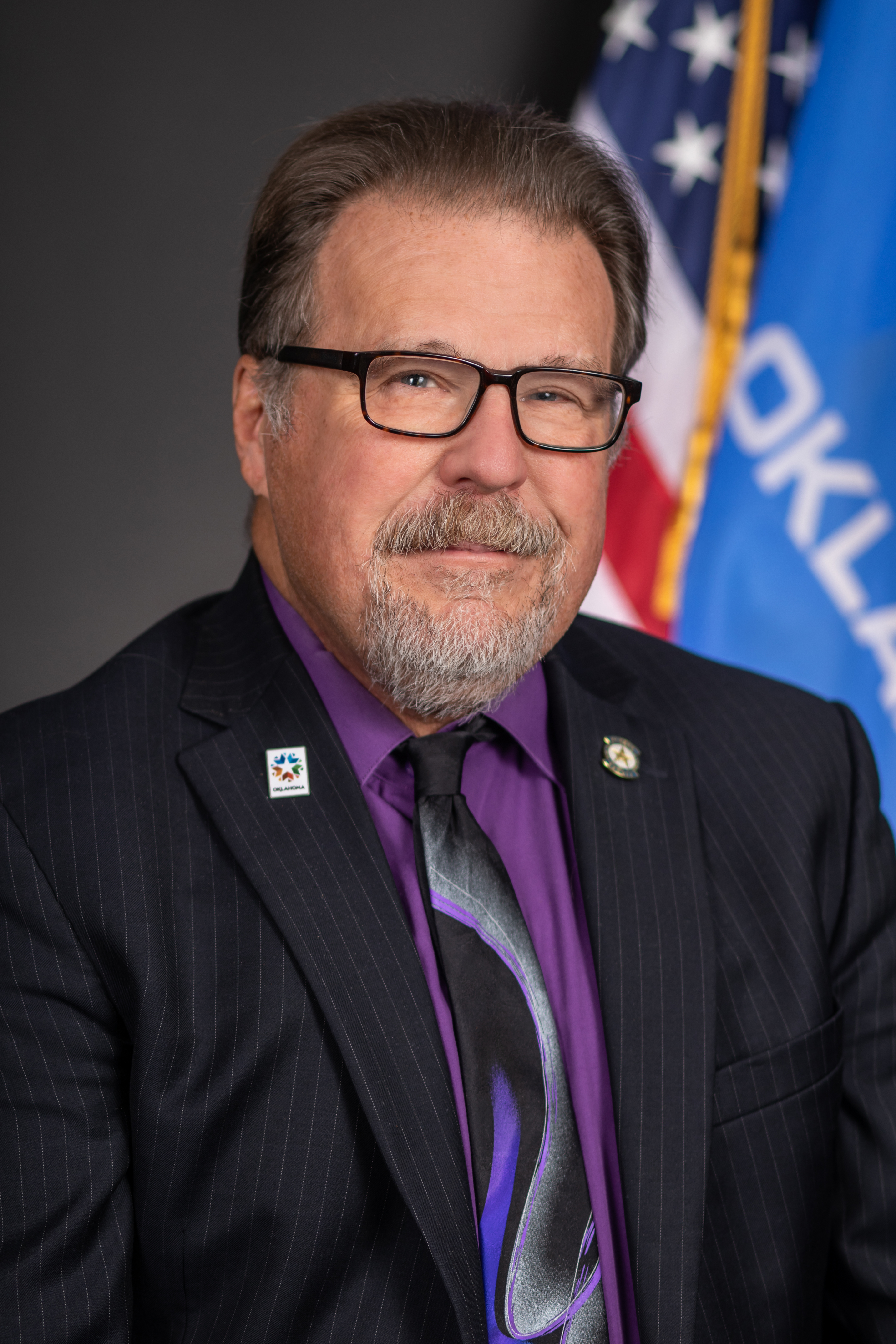
Authored by Senator Bergstrom (principal Senate author)
0
WeVote Research Nonpartisan
Bill Summary · HB 1108

Legislative bill overview

HB 1108 amends Oklahoma's Open Meeting Act to classify the Judicial Nominating Commission as a "public body," thereby subjecting it to open meeting requirements and public record transparency standards. This change would require the commission's meetings and deliberations to be conducted in public view rather than in closed sessions.

Why is this important

The Judicial Nominating Commission plays a significant role in recommending judges for appointment in Oklahoma. Currently operating under closed proceedings, bringing it under open meeting requirements would substantially increase public transparency in how judicial candidates are evaluated and selected, while potentially affecting the commission's operational confidentiality and candidate recruitment.

Potential points of contention

  • Judicial independence concerns: Opponents may argue that subjecting nominating processes to public scrutiny could compromise judicial independence and candidate anonymity, potentially deterring qualified applicants from participating
  • Operational efficiency: Critics contend that open meetings could slow deliberations, discourage candid discussion among commissioners, and reduce the commission's ability to conduct confidential background assessments
  • Privacy of judicial candidates: Making the process public exposes candidates' detailed records, financial information, and personal matters to public scrutiny earlier in the vetting process than traditionally occurs

Compiled from official sources — confirm details with the bill’s official record.

Sign in to ask a question.