

WeVote

Bill

Bill

SB 740

Occupations: plumbers; ratio of apprentices to journey or master licensees on a jobsite; provide for plumbers and modify for electricians. Amends sec. 1117 of 2016 PA 407 (MCL 339.6117) & adds sec. 1117a.

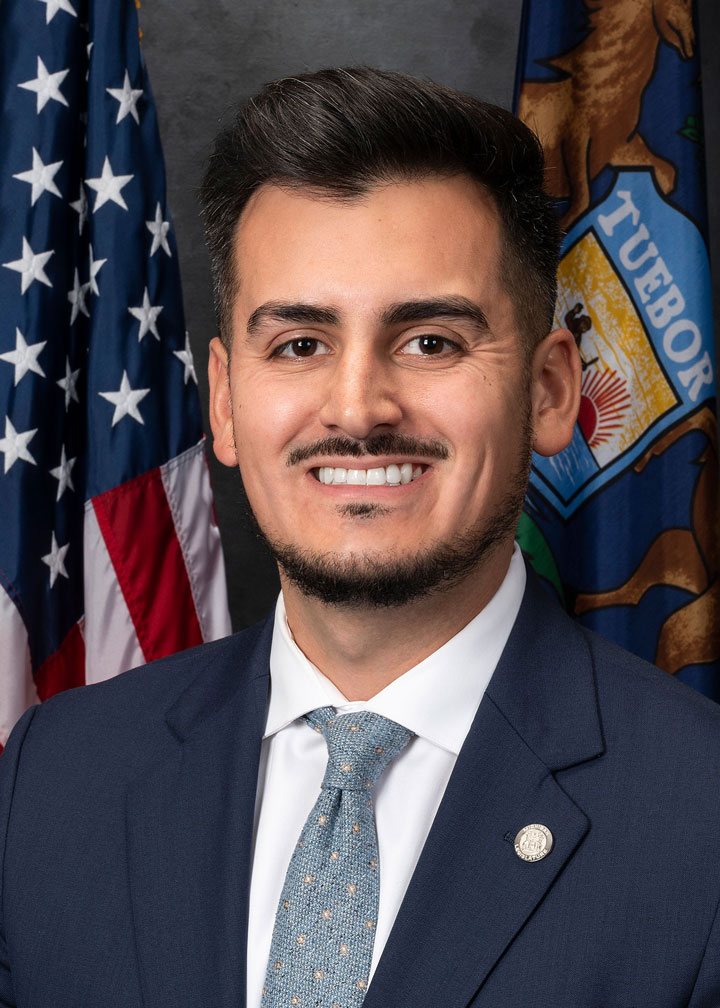
2023-2024 Regular Session Introduced by Darrin Camilleri and 1 co-sponsor

Michigan law now requires plumbers and electricians to maintain specified apprentice-to-journeyman ratios on jobsites, regulating skilled trade workforce composition and training oversight.

ASSIGNED PA 0172'24
0
WeVote Research Nonpartisan
Bill Summary · SB 740

Legislative bill overview

SB 740 establishes apprentice-to-journeyman/master ratios for plumbers on Michigan jobsites and applies similar modifications to electricians. The bill amends the occupational licensing framework to regulate how many apprentices can work under supervision of licensed plumbers and electricians, standardizing workforce composition requirements across these skilled trades.

Why is this important

Apprentice-to-journeyman ratios directly affect labor costs, training quality, and worker safety on construction sites. This legislation impacts contractors' hiring practices, apprenticeship program viability, and the pipeline for developing skilled tradespeople—a critical workforce need in Michigan's construction industry. The ratios also influence competition between larger and smaller contractors based on their capacity to maintain compliant worker ratios.

Potential points of contention

  • Contractor flexibility vs. regulatory burden: Strict ratios may limit smaller contractors' ability to scale operations efficiently or reduce labor costs during workforce shortages
  • Apprenticeship program incentives: Depending on whether ratios favor or restrict apprentice hiring, the bill could either strengthen or weaken the pipeline for new skilled workers
  • Industry competitiveness: Ratio requirements may disproportionately affect certain business models or create regional implementation challenges if ratios differ significantly from federal standards or neighboring states' requirements

Compiled from official sources — confirm details with the bill’s official record.

Sign in to ask a question.