Summary — HB 4115 (Pawnbroker penalties and civil fines)
Status & procedure
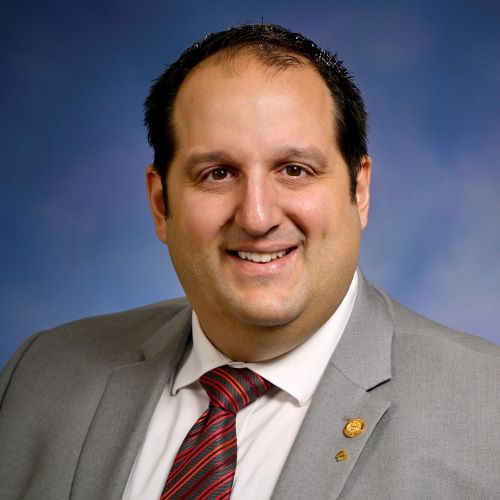
- Introduced: Feb/Mar 2025 (sponsored by Rep. Joseph Aragona; House sponsors list includes multiple Representatives).
- Committee action: Referred initially to Regulatory Reform; reported favorably as substituted in April 2025. Passed the House (reported as having immediate effect) and, as of April 15, 2025, was referred to the Senate Committee on Finance, Insurance, and Consumer Protection.
- Tie-bar: HB 4115 is tied to HB 4116; neither bill takes effect unless both are enacted.
Purpose and intent
- HB 4115 amends the Michigan pawnbroker statute (1917 PA 273) to increase criminal penalties for violations of the pawnbroker law and to add a new civil penalty specifically for charging interest above the statutory maximum. The bill is designed to strengthen enforcement and discourage unlawful lending practices (including alleged “buyback” schemes used to circumvent rate caps).
Key provisions
- Criminal penalty increase (MCL 446.218): raises the misdemeanor fine for violations of the pawnbroker act from the current range of $25–$100 to $250–$1,000. Existing imprisonment exposure (10 days to 3 months) remains available in the statute.
- New civil fine for excessive interest: creates a civil penalty of up to $5,000 for anyone who charges a rate of interest on a pawn loan greater than the maximum authorized under the statute (the statute referenced is Section 9; HB 4116 would raise the statutory maximum interest rate from 3% to 5% per month).
- Enforcement: actions to collect the new civil fine may be brought by the county prosecutor where the violation occurred or by the Michigan Attorney General.
Who is affected
- Pawnbrokers and pawnshop operators (owners and employees) — higher criminal fines for statutory violations and exposure to civil fines for charging excessive interest.
- Consumers who use pawn loans — potential indirect effects from changes in industry pricing and enforcement.
- Local prosecutors, the Attorney General, courts, and law libraries — affected by enforcement activity, case filings, and how fine revenue is distributed.
Fiscal and practical impacts
- Fiscal impact: indeterminate. Increased fine ranges could increase state and local fine revenue, but the number of future violations is unknown. Fine revenue historically supports law libraries; under the Revised Judicature Act, $10 of the civil fine must be deposited to the state Justice System Fund.
- Enforcement: the Attorney General is expected to manage enforcement within existing resources; local court workload impacts are uncertain.
Background/context
- Committee testimony noted the statutory monthly rate (3%) had not been updated in many decades and supporters of the companion bill (HB 4116) argued a 5% cap would be among the lowest nationwide while helping legitimate pawn businesses cover costs. Supporters also argued higher penalties would curb illegal workarounds.