

WeVote

Bill

Bill

SB 895

Occupations: electricians; ratio of electrician apprentices to journey or master licensees on a jobsite; modify, and require joint responsibility for supervision between electrical contractors and master electricians. Amends secs. 701, 711, 715, 717, 719 & 727 of 2016 PA 407 (MCL 339.5701 et seq.).

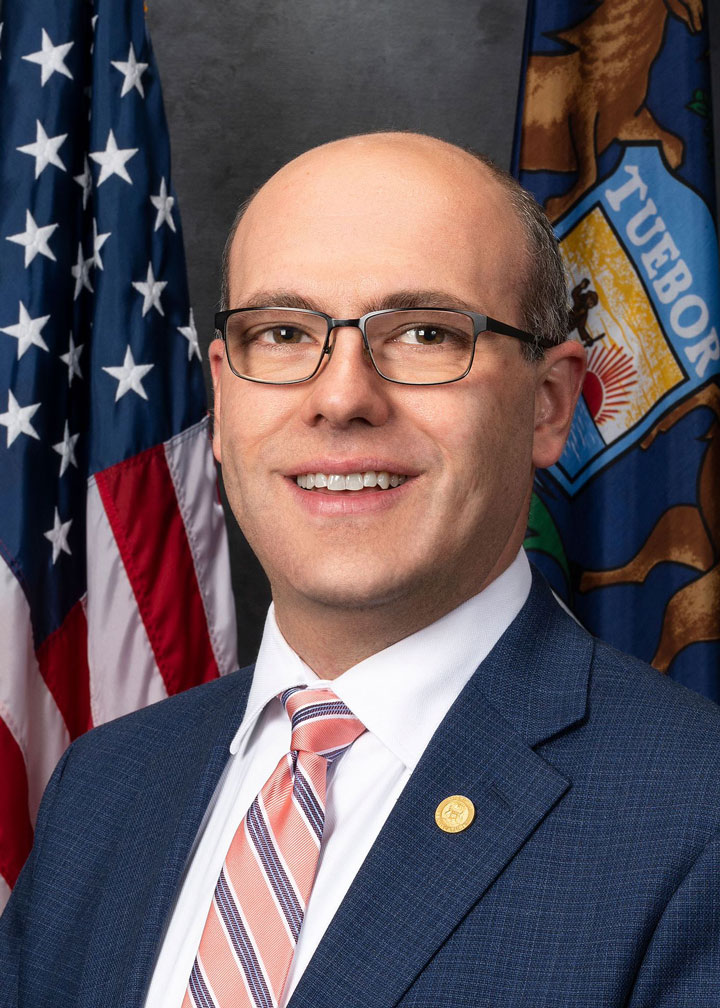
2023-2024 Regular Session Introduced by John Cherry

Michigan bill adjusts electrician apprentice-to-licensed worker ratios and establishes joint supervision duties between contractors and master electricians on job sites.

referred to second reading
0
WeVote Research Nonpartisan
Bill Summary · SB 895

Legislative bill overview

SB 895 modifies Michigan's electrician licensing regulations to adjust the apprentice-to-licensed electrician ratio on job sites and establishes joint supervision responsibilities between electrical contractors and master electricians. The bill amends the 2016 Occupational Regulation Act to clarify oversight requirements during electrical work projects.

Why is this important

These changes affect how electrical construction projects are staffed and supervised, which has direct implications for workplace safety, training quality, and labor costs in the electrical contracting industry. The joint responsibility framework may shift liability and operational practices for both contractors and master electricians across Michigan.

Potential points of contention

  • Apprentice ratio changes: Altering apprentice-to-licensed worker ratios may increase labor costs for contractors while potentially affecting training opportunities for apprentices entering the field
  • Supervision accountability: Joint responsibility between contractors and master electricians could create ambiguity about who bears legal and financial liability if safety violations occur
  • Implementation complexity: Different stakeholders (contractors, unions, licensing boards) may interpret "joint responsibility" differently, potentially leading to enforcement challenges

Compiled from official sources — confirm details with the bill’s official record.

Sign in to ask a question.