

WeVote

Bill

Bill

HR 9552

NOPE Act of 2026

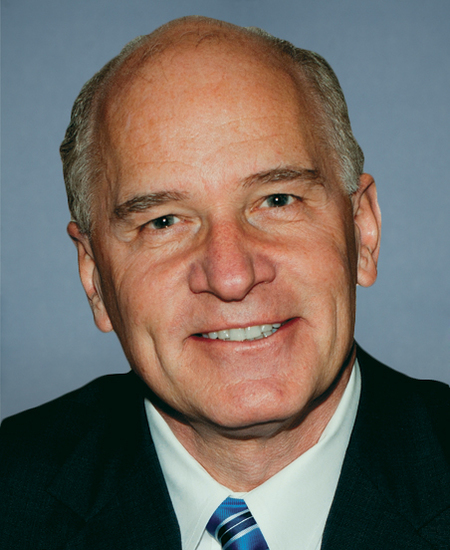
119th Congress Introduced by Bill Keating and 1 co-sponsor

Expands congressional review of Russia sanctions to include energy actions and licensing, with a defined review period tied to ending the Ukraine war and a just-peace commitment.

Introduced in House
0
WeVote Research Nonpartisan
Bill Summary · HR 9552

What this bill is about

  • Bill: H.R. 9552, the NOPE Act of 2026 (No Oil Profits for Enemies Act of 2026)
  • Purpose: Amend the Countering America's Adversaries Through Sanctions Act (CAATSA) to expand congressional review and oversight of sanctions related to the Russian Federation, with a specific focus on energy-related sanctions and a defined emergency review period.
  • Introduced: June 30, 2026, by Congressman Keating (and Co-sponsor Moylan)

Main purpose and intent

  • Strengthen congressional review of sanctions imposed on Russia by broadening the set of actions subject to review.
  • Create explicit, time-bound congressional oversight for energy-related sanctions and licensing actions tied to Russian energy resources.
  • Establish a formal certification-based review period linked to an end to Russia’s war in Ukraine and a just peace settlement.

Key provisions and changes

1) Expansion of sanctions subject to congressional review
- Amends CAATSA Section 216(a)(2)(B)(i) to add a new item:
- Includes any Executive Order addressing the national emergency declared in Executive Order 14024 (targeting harmful Russian government activities) within theScope of review.
- Purpose: Ensure Congress reviews not only previously listed sanctions but also actions via executive orders that affect Russia-related sanctions.

2) Energy-related actions under review
- Amends CAATSA Section 216(a)(2) to add:
- A new subparagraph (iv) to cover actions (including licensing actions) related to sanctions on crude oil, petroleum products, natural gas, or other energy products of Russian origin.
- Sets a specific period for review of energy-related actions:
- The review period starts from the date of enactment of this subparagraph and ends when the Secretary of State, in coordination with the Secretaries of Treasury, Defense, and the Director of National Intelligence, certifies to Congress:
- that the Government of the Russian Federation has ended its war in Ukraine
- and credibly committed to a just peace settlement that includes compensation to Ukraine for war damages.

3) Exception to immediate action during initial congressional review
- Modifies CAATSA Section 216(b)(3) to refine the exception to actions during the initial congressional review period:
- Replaces the old joint-resolution bar with a broader set of exceptions that may permit certain actions:
- Specifically allows actions related to energy products if they are for:
- preservation of health or safety of crew of an energy transport vessel
- emergency repairs or environmental mitigation for an energy transport vessel
- addressing an urgent need to mitigate an economic impact in another jurisdiction (not Russia)

Who or what would be affected

  • U.S. agencies implementing sanctions on Russia (State, Treasury, Defense, DNI, and related agencies) would face expanded reporting and oversight requirements.
  • Sanctions actions tied to Russian energy exports (crude oil, petroleum products, natural gas, and other energy products) would be subject to a defined congressional review window.
  • Executive orders expanding or implementing Russia sanctions would come under enhanced congressional scrutiny.

Procedural and timeline aspects

  • Period for energy-related reviews:
    • Begins on the date of enactment of this subparagraph.
    • Ends when the President’s certification to Congress confirms:
    • end of Russia’s war in Ukraine, and
    • credible commitment to a just peace including Ukraine war damages compensation.
  • Initial review exception:
    • Allows certain energy-related actions during the initial review period if they meet defined safety, emergency, or urgent economic mitigation needs in other jurisdictions.
  • Committee referrals:
    • The bill was referred to multiple committees (Foreign Affairs, Judiciary, Financial Services, Oversight and Government Reform, Ways and Means, Rules) for consideration on a timeline to be determined by the Speaker.

Potential impact and considerations

  • Increased legislative oversight on sanctions, with a particular emphasis on energy sector actions and licensing decisions.
  • Potential for delayed or conditioned sanctions related to Russia’s energy sector, depending on congressional review outcomes and the certification of peace terms.
  • Signals heightened congressional involvement in sanction policy related to Russia and the Ukraine war, especially around energy resources and energy transportation.
  • Any implementation would require interagency coordination to align with the new review periods and certification triggers.

Compiled from official sources — confirm details with the bill’s official record.

Sign in to ask a question.