

WeVote

Bill

WeVote Research Nonpartisan
Bill Summary · SB 432

Summary: Bill SB 432 (Ohio, 136th General Assembly)

Purpose and intent

  • The bill amends section 2927.01 of the Ohio Revised Code to modify offenses related to the treatment of human corpses and disinterment.
  • The intent appears to strengthen penalties for certain acts involving corpses and to clarify what constitutes “abuse” or “gross abuse” of a corpse, including professional standards.

Key provisions and changes

Section 2927.01 (A) – Abuse of a corpse

  • Prohibited conduct (A): “No person, except as authorized by law, shall treat a human corpse in a way that the person knows would outrage reasonable family sensibilities,” and specifically: 1) Abuse a corpse;
    2) Disinter, remove, or carry away a corpse.
  • This establishes that acts violating this subsection are offenses when they would outrage reasonable family sensibilities.

Section 2927.01 (B) – Gross abuse of a corpse

  • Prohibited conduct (B): “No person, except as authorized by law, shall treat a human corpse in a way that would outrage reasonable community sensibilities,” and specifically: 1) Engage in sexual activity with or involving a corpse;
    2) Dismember, mutilate, cut, or strike a corpse.
  • This targets more egregious offenses that would outrage the broader community.

Penalties (Section 2927.01 (C))

  • Violation of (A): Guilty of abuse of a corpse, misdemeanor of the second degree or a higher offense as specified (text indicates “felony of the fifth degree” but formatting suggests a possible tiered structure; actual grade is unclear due to drafting).
  • Violation of (B): Guilty of gross abuse of a corpse, felony of the fifth degree.
  • The bill distinguishes between “abuse” (less severe) and “gross abuse” (more severe, with a felony designation).

Definitions (Section 2927.01 (D))

  • “Abuse a corpse” includes:
    • Treatment of a corpse in a manner not recognized by generally accepted community standards, or
    • Treatment by a professional in a manner not generally accepted as suitable practice by other professionals (as defined by rules applicable to the profession).
  • The definition covers both laypersons and professionals, subject to professional rules.

Repeal

  • The bill repeals the existing section 2927.01 and replaces it with the amended text.

Who or what would be affected

  • Individuals and professionals who handle human corpses (e.g., funeral directors, medical professionals, mortuary staff) would be subject to the updated standards and penalties.
  • Victims’ families and the broader community are given a framework to consider “outrage” by certain acts involving corpses.
  • Law enforcement and prosecutors would apply the new categories (abuse vs. gross abuse) and associated penalties.

Procedural and timeline aspects

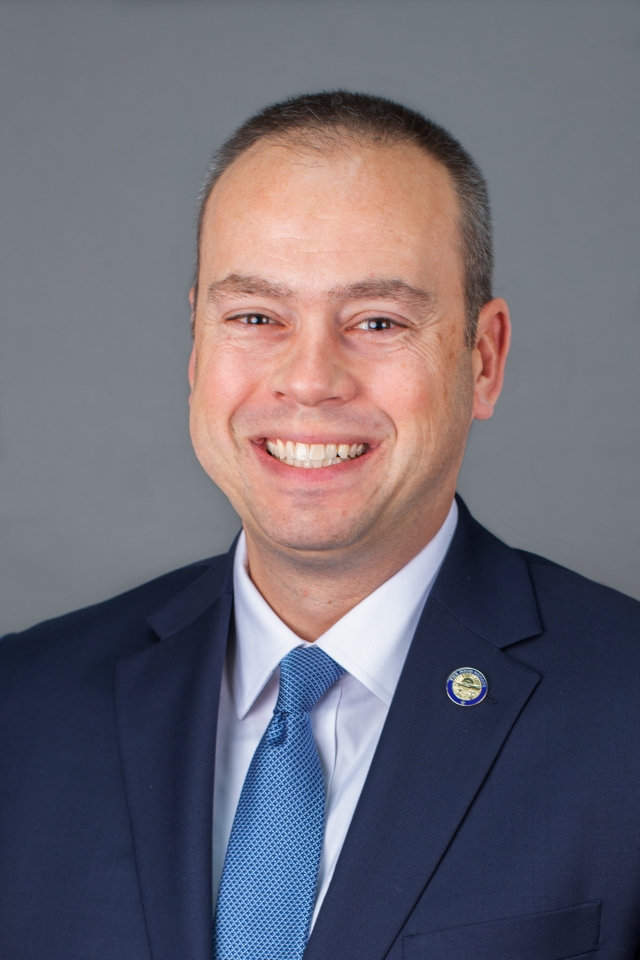
  • Introduced in the 136th General Assembly (S. B. No. 432) by Senator Manning, with Co-sponsor Senator Nathan Manning.
  • The text shows the intended statutory change to replace current language; no specific effective date is included in the introduced text. Implementation would depend on passage by the General Assembly and any required rule-adoption for professional definitions.

Notes

  • The bill’s language includes two potential drafting ambiguities around sentencing (A: “misdemeanor second degree or felony of the fifth degree” vs. “gross abuse” penalties). If enacted, final codified language and any accompanying rules would clarify the exact penalty framework.
  • The bill focuses on redefining standards of conduct with corpses and elevating certain acts to felony status under “gross abuse.”

Compiled from official sources — confirm details with the bill’s official record.

Sign in to ask a question.