

WeVote

Bill

Bill

SB 3983

NO PRIVATE PAY FOR PUBLIC WORK

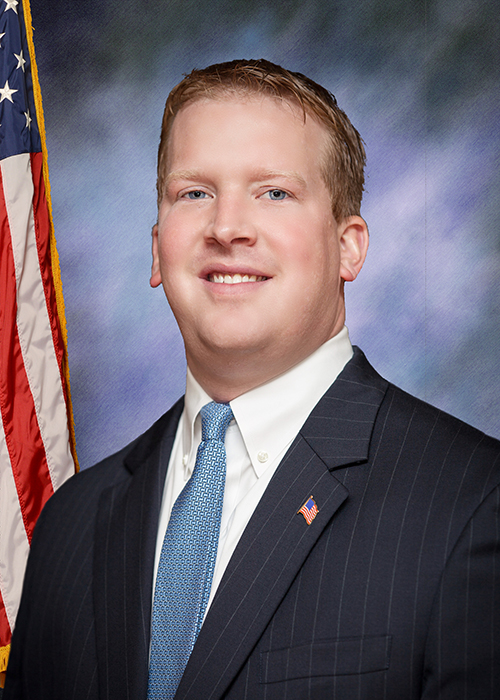
104th Regular Session Introduced by Jason Plummer

Prohibits private payments or financing tied to publicly funded public works to ensure funding and contracting are controlled by public processes without private influence.

Rule 3-9(a) / Re-referred to Assignments
0
WeVote Research Nonpartisan
Bill Summary · SB 3983

Overview

SB 3983, introduced in the Illinois 104th General Assembly and co-sponsored by Sen. Jason Plummer, addresses the use of private payments in the public works contracting process. The bill’s title, “NO PRIVATE PAY FOR PUBLIC WORK,” signals a prohibition or restriction on private financing or private payments associated with publicly funded construction and infrastructure projects. The current action history shows the bill progressing through committee deadlines and referrals within the legislative process.

Purpose and intent

  • The primary aim appears to be preventing private financial arrangements that could influence or undermine the public procurement and delivery of public works.
  • By focusing on “no private pay,” the bill intends to ensure that public works contracts and funding are executed without private sector payments that bypass or circumvent public bidding, oversight, or accountability mechanisms.

Key provisions and changes (as implied by title and typical structure)

While the exact statutory text is not provided here, typical provisions for a bill with this scope may include:
- Prohibitions on private financing, kickbacks, or other private payments tied to public construction contracts.
- Requirements for public funds to be managed and disbursed solely through publicly accountable mechanisms.
- Clarifications on permissible private sector involvement (e.g., private contractors, lenders, or financiers) and the contexts in which they may participate, if at all.
- Enhanced transparency and reporting requirements for public works projects to prevent private influences.
- Penalties or remedies for violations, including penalties for contractors or entities engaging in prohibited private payments.
- Definitions of key terms such as “private pay,” “public works,” “funds,” “bidding,” and “oversight.”

Who or what would be affected

  • Public agencies and authorities administering infrastructure and construction projects funded with public money.
  • Contractors, subcontractors, lenders, financiers, and private entities involved in financing or overseeing public works.
  • Public project administrators subject to procurement, bidding, and oversight requirements.
  • Potentially, vendors and consultants engaged in the planning, design, or delivery of public works who might be affected by stricter procurement and disclosure rules.

Procedural and timeline aspects

  • Filed and first read on February 6, 2026.
  • Referred to Assignments, then to Executive, and eventually to Ethics, indicating a typical multi-committee review path.
  • Rule 2-10 deadlines established for committee consideration and third-reading, with deadlines:
    • April 24, 2026 (deadline established)
    • May 15, 2026 (deadline established)
    • May 22, 2026 (final deadline)
  • The bill’s progression through committees suggests ongoing refinement and potential amendments before floor consideration.

Potential impact and considerations

  • If enacted, the bill could tighten controls over private financial arrangements in public works, potentially reducing perceived or actual conflicts of interest and increasing transparency.
  • The economic impact would depend on the exact prohibitions and enforcement mechanisms, possibly affecting financing arrangements for large projects and the role of private lenders or equity providers.
  • Compliance costs for public agencies and contractors may rise due to enhanced documentation, reporting, and monitoring requirements.
  • The bill would interact with existing procurement, budgeting, and anti-corruption/ethics laws, requiring alignment with state procurement rules and fiscal oversight.

If you’d like, I can tailor this summary to focus on specific sections or provide a comparison with current Illinois public works financing rules once the bill text is available.

Compiled from official sources — confirm details with the bill’s official record.

Sign in to ask a question.