

WeVote

Bill

Bill

HR 10222

No HUD Funding for Sanctuary Cities Act

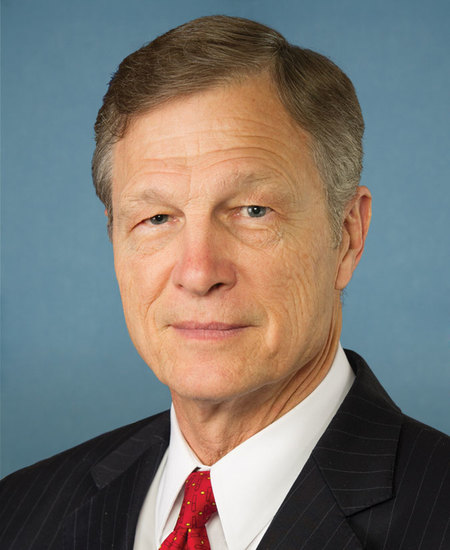
119th Congress Introduced by Brian Babin and 20 co-sponsors

The bill would condition HUD funding on jurisdictions’ cooperation with federal immigration enforcement, restricting funds for sanctuary or noncooperative localities.

Introduced in House
0
WeVote Research Nonpartisan
Bill Summary · HR 10222

Overview

HR 10222, titled the No HUD Funding for Sanctuary Cities Act, is a bill introduced in the 119th Congress that would direct federal housing policy related to the Department of Housing and Urban Development (HUD) funding. The primary objective appears to be tying HUD financial support to state or local governments’ enforcement of federal immigration laws, by restricting or altering funding for jurisdictions that are deemed sanctuary cities.

Main purpose and intent

  • To restrict HUD funding to jurisdictions that are considered sanctuary cities or that do not fully cooperate with federal immigration enforcement.
  • To compel compliance with federal immigration policies as a condition for receiving HUD resources.
  • To establish financial consequences for localities that limit, resist, or refuse to cooperate with federal immigration enforcement activities, in the name of housing and community development programs.

Key provisions and changes (as described by the bill’s title and typical structure)

Note: The summary below reflects the typical elements such bills include; details such as exact definitions, eligibility criteria, and enforcement mechanisms may be specified in the text of the bill.

  • Eligibility criteria for HUD funding: Localities or jurisdictions would be required to meet certain conditions related to immigration enforcement to qualify for HUD grants and subsidized housing programs.
  • Sanctions on sanctuary jurisdictions: Jurisdictions identified as sanctuary cities (or that refuse to cooperate with federal immigration authorities) would face reductions, withdrawal, or other limitations on HUD funding.
  • Definitions: The bill would define what constitutes a sanctuary city or non-cooperation with immigration enforcement to determine eligibility or ineligibility for HUD programs.
  • Implementation and administration: HUD would be tasked with implementing the policy, determining which jurisdictions are affected, and handling appeals or exemptions (if provided).
  • Sunset or review provisions: The bill may include review dates or sunset clauses, though this is not guaranteed without the full text.

Who would be affected

  • Local governments and jurisdictions that administer housing programs and receive HUD funding (including cities, counties, and states).
  • Agencies and authorities responsible for administering HUD programs (e.g., public housing authorities, HOME Investment Partnerships, Community Development Block Grants).
  • Immigrant residents in jurisdictions that could lose access to HUD funding, depending on the scope of the restrictions and the extent of funding reductions.

Procedural and timeline aspects

  • Introduction and referral: The bill was introduced in the House and referred to the Committee on Financial Services (September 2, 2026).
  • Committee action: As of the latest information, the bill has been referred to the House Committee on Financial Services, where it would undergo consideration, potential amendments, and a reported or derailed outcome before moving to the full House floor.
  • Potential timeline: If advanced, the bill would proceed to debate on the House floor, potential amendments, and, if passed, would move to the Senate. Timelines depend on committee scheduling, floor calendars, and legislative priorities.

Additional context

  • The bill lists a broad roster of co-sponsors from various districts, indicating bipartisan interest in tying housing funding to immigration enforcement policy.
  • The lack of detailed text in this summary means that precise definitions, funding mechanisms, and enforcement steps would require review of the bill’s full language to identify things like specific funding cut thresholds, timelines, and any exceptions or waivers.

If you’d like, I can pull the full text or pending amendments to provide a more granular section-by-section breakdown (definitions, funding math, waiver provisions, and appellate processes).

Compiled from official sources — confirm details with the bill’s official record.

Sign in to ask a question.