

WeVote

Bill

Bill

HR 5738

No Budget, No Pay Act

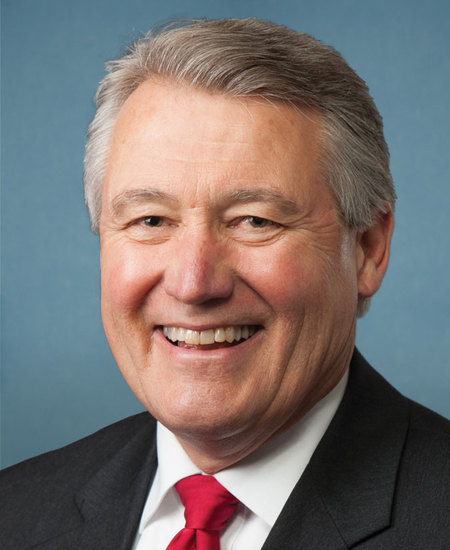
119th Congress Introduced by Rick Allen and 7 co-sponsors

The No Budget, No Pay Act withholds Congressional salaries if a budget isn't passed by October 1, promoting fiscal responsibility and accountability in budgeting.

Introduced in House
0
WeVote Research Nonpartisan
Bill Summary · HR 5738

Summary of HR 5738 - No Budget, No Pay Act

Bill Number: HR 5738
Introduced: October 10, 2025
Status: Introduced in House
Sponsors:
- Tim Moore (Primary)
- Nicole Malliotakis (Cosponsor)
- Mariannette Miller-Meeks (Cosponsor)
Related Bills: S 88 (Companion Bill)

Purpose and Intent

The No Budget, No Pay Act aims to enforce fiscal responsibility among Members of Congress by withholding their pay if a budget resolution and the necessary appropriations bills are not passed by October 1 of each fiscal year. This legislation seeks to incentivize timely budgetary action and ensure that Congress fulfills its budgeting responsibilities.

Key Provisions

  1. Pay Suspension: Members of Congress will not receive their salaries after October 1 if Congress has not:

    • Approved a concurrent resolution on the budget.
    • Passed all regular appropriations bills for that fiscal year.
  2. No Retroactive Pay: Members will not be eligible for retroactive pay for any period during which Congress failed to comply with the budget approval requirements.

  3. Determination Process:

    • The Budget and Appropriations Chairs of both the House and Senate will be responsible for determining compliance with the budget approval requirements.
    • On October 1 each year, the Secretary of the Senate and the Chief Administrative Officer of the House will request certifications from their respective Budget and Appropriations Chairs regarding compliance.
  4. Effective Date: The act is set to take effect on September 29, 2027.

Impact

  • Members of Congress: This bill directly affects the pay of all Members of Congress, excluding the Vice President, by linking their compensation to the timely passage of budgetary measures.
  • Fiscal Policy: The legislation aims to promote a culture of accountability and urgency in budgetary processes, potentially leading to more disciplined fiscal management.
  • Public Perception: By withholding pay, the bill may enhance public trust in Congress by demonstrating a commitment to fiscal responsibility.

Procedural Aspects

  • The bill was introduced and referred to the House Committee on House Administration on the same day, October 10, 2025.
  • The requirement for timely budget approval is aligned with existing provisions in the Congressional Budget and Impoundment Control Act of 1974.

This summary provides an overview of the No Budget, No Pay Act, highlighting its purpose, key provisions, and potential impacts on Congress and fiscal policy.

Compiled from official sources — confirm details with the bill’s official record.

Sign in to ask a question.