

WeVote

Bill

Bill

HR 7334

National Commission on Robotics Act

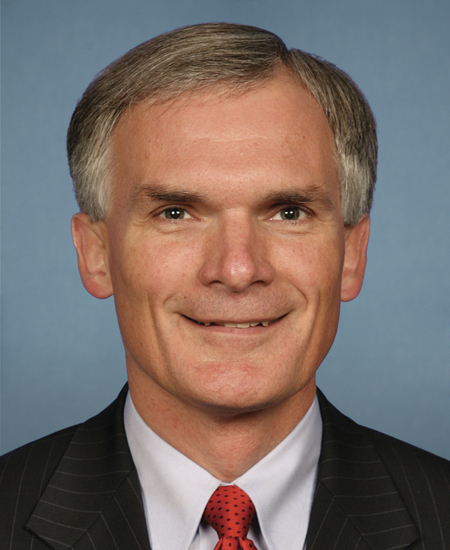
119th Congress Introduced by Bob Latta and 2 co-sponsors

Establishes a National Commission on Robotics to coordinate federal policy, safety standards, workforce impacts, and funding to advance responsible robotics nationwide.

Introduced in House
0
WeVote Research Nonpartisan
Bill Summary · HR 7334

Overview

HR 7334, the National Commission on Robotics Act, is a 119th Congress bill introduced in the House of Representatives. The bill establishes a national commission focused on robotics policy, research, development, ethics, safety, and workforce implications, with the aim of coordinating federal efforts in robotics across agencies and sectors.

Purpose and Intent

  • Create a United States National Commission on Robotics (NCR) to develop a cohesive national strategy on robotics.
  • Coordinate federal activities across agencies to advance responsible robotics innovation, safety, standards, workforce transitions, and international competitiveness.
  • Provide recommendations to Congress and federal agencies on policy, regulatory, and funding priorities related to robotics.

Key Provisions and Changes

  • Establishment of the NCR as a standing or time-limited federal commission (details such as duration, composition, and reporting requirements would be specified in the bill’s text).
  • Appointment framework for commissioners, including selection criteria (e.g., expertise in robotics, AI, ethics, safety, industry, labor, academia, and consumer protection).
  • Mandated duties and functions, which typically include:
    • Assessing current and future uses of robotics across sectors (manufacturing, health care, transportation, defense, service industries, etc.).
    • Evaluating safety standards, interoperability, and certification processes for robotic systems.
    • Reviewing workforce impacts, training needs, and strategies to mitigate displacement.
    • Recommending federal programs, grant funding, and regulatory approaches to accelerate innovation while protecting public safety.
    • Facilitating international cooperation and harmonization of robotics standards.
  • Reporting requirements to Congress, including periodic reports with findings and policy recommendations.
  • Potential authorization of federal funding for NCR activities, including staff, studies, public-private partnerships, and commissioning studies; may include appropriations or authorization levels.
  • Interagency coordination provisions to align actions among relevant federal departments and agencies (e.g., science, energy, commerce, defense, education, labor, health, transportation, and foreign affairs).

Who Would Be Affected

  • Federal agencies involved in science, technology, defense, commerce, labor, education, health, transportation, and foreign affairs, due to coordination and reporting requirements.
  • Robotics developers, manufacturers, and researchers seeking national standards, safety guidelines, and potential funding opportunities.
  • Workers and labor organizations, due to analysis of workforce impacts and retraining needs.
  • Consumers and the general public, through potential improvements in safety, privacy, and accountability of robotic systems.
  • U.S. competitiveness in robotics on the global stage, via strategic policy and investment direction.

Procedural and Timeline Aspects

  • Referral: The bill was introduced in the House and referred to multiple committees with jurisdictional overlaps (Science, Space, and Technology; Energy and Commerce; Foreign Affairs; Education and Workforce).
  • Committee action: Committees would hold hearings, mark up, and report the bill, potentially with amendments, to the floor for consideration.
  • Scheduling and floor passage: After committee reports, the bill would go to the House floor for debate and a vote. If passed, it would move to the Senate (or receive further action as dictated by Senate procedures).
  • Potential implementation timeline: If enacted, NCR establishment, appointments, and initial activities would unfold over months to a couple of years, depending on authorizing language and funding.

Notes and Considerations

  • Specific details such as the exact composition of the commission, length of its mandate, funding levels, and the precise duties would be defined in the bill’s full text.
  • The bill signals a federal intent to create a centralized, strategic framework for robotics policy, potentially influencing standards, safety, education, and innovation funding.

If you’d like, I can tailor this summary to emphasize particular sections (e.g., workforce implications, safety standards, or funding mechanisms) once the full text or an official summary is available.

Compiled from official sources — confirm details with the bill’s official record.

Sign in to ask a question.