

WeVote

Bill

Bill

SB 3630

MUNI-CIGARETTE/TOBACCO REVENUE

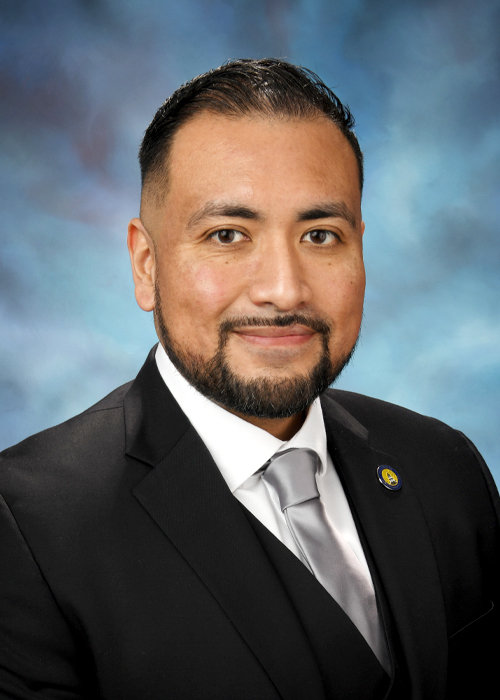
104th Regular Session Introduced by Javier Cervantes

The bill changes how municipalities collect and allocate tobacco-related revenue, potentially funding local health programs and shaping enforcement and licensing.

Referred to Assignments
0
WeVote Research Nonpartisan
Bill Summary · SB 3630

Summary of SB 3630 (104th Illinois General Assembly) – MUNI-CIGARETTE/TOBACCO REVENUE

Purpose and intent

  • The bill addresses municipal and local government revenue related to tobacco and cigarette products. It aims to establish or adjust mechanisms for collecting and distributing revenue sourced from tobacco-related activities at the municipal level.
  • The sponsor listed is Javier Cervantes (co-sponsor), indicating bipartisan or broader legislative interest in modifications to tobacco revenue processes at the local government level.

Key provisions and changes

  • Revenue Structure: The bill modifies how municipalities may collect, administer, or allocate revenues derived from cigarette and tobacco sales or related activities. This could involve new taxes, fees, licensing, or streamlined collection practices, though exact mechanisms would be specified in the bill’s text.
  • Allocation and Distribution: It likely outlines how collected revenue should be distributed—potentially between municipal general funds, public health programs, or other specific city departments. It may specify obligations for local governments to allocate portions for targeted programs (e.g., youth prevention, health services).
  • Local Government Authority: The bill clarifies or expands the authority of municipalities regarding tobacco-related revenue tools, such as licensing, enforcement, or reporting requirements.
  • Compliance and Enforcement: Provisions may include compliance timelines, reporting obligations to state authorities, and penalties for noncompliance or evasion.
  • Relationship to Statewide Framework: The bill may align municipal revenue activities with any existing state laws or regulatory frameworks governing tobacco products, licensing, and taxation, ensuring consistency or addressing gaps between local and state rules.

Affected entities and stakeholders

  • Municipal governments: Cities, towns, and other local jurisdictions would implement or adapt revenue collection and allocation mechanisms.
  • Tobacco retailers and licensees: Businesses selling cigarettes or tobacco products may be subject to new or adjusted licensing fees, reporting duties, or compliance requirements.
  • Public health agencies and programs: Local health departments may benefit from dedicated revenue streams earmarked for prevention, cessation, education, and health promotion initiatives.
  • General public: Residents and consumers could see impacts through changes in pricing mechanisms, enforcement, and allocation of local funds toward community health and safety programs.

Procedural and timeline considerations

  • Status: As a bill in the Illinois General Assembly, it would progress through committees (e.g., Revenue, Local Government, Public Health), with potential amendments before floor consideration in the House and Senate.
  • Effective dates: The bill would specify effective dates for any new taxes, licensing changes, or revenue distributions, including whether provisions take effect immediately or after a transition period.
  • Sunset or review provisions: There may be periodic reviews or sunsets to reassess effectiveness and financial impact.

Potential impacts

  • Fiscal: Introduction or modification of municipal tobacco-related revenue could affect local budgets, funding for health initiatives, and enforcement capacity.
  • Economic: Retailers may experience compliance costs or license fee changes; consumer pricing could be impacted indirectly through local revenue structures.
  • Public health: If revenue is earmarked for health programs, there could be enhanced local smoking-prevention efforts and cessation resources.

Note: This summary is based on the bill title and general described purpose. For precise provisions, amounts, dates, and regulatory details, please refer to the full text of SB 3630 as enrolled or amended in the 104th Illinois General Assembly.

Compiled from official sources — confirm details with the bill’s official record.

Sign in to ask a question.