

WeVote

Bill

Bill

HB 1283

MUNI CD-MOTOR FUEL REVENUE

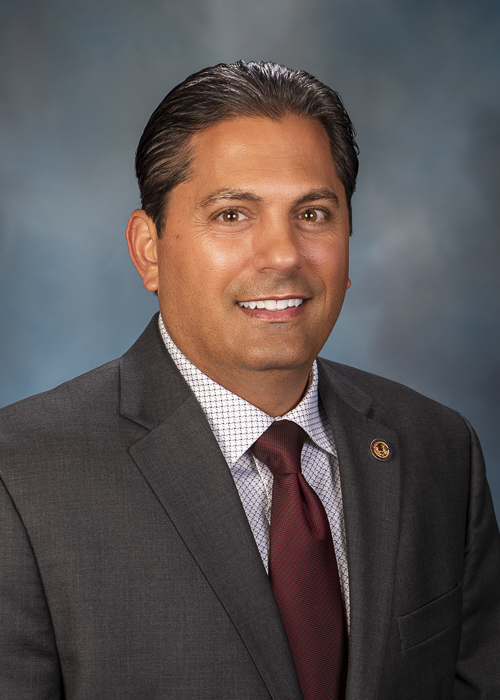
104th Regular Session Introduced by Anthony DeLuca and 1 co-sponsor

HB 1283 sought to enhance K-12 digital literacy in Arkansas by establishing standards for digital citizenship, wellness, safety, and AI use, but it died in committee.

Rule 19(a) / Re-referred to Rules Committee
0
WeVote Research Nonpartisan
Bill Summary · HB 1283

Summary of House Bill 1283

Bill Number: HB 1283
Title: To Require the Division of Elementary and Secondary Education to Include Digital Media Standards in Kindergarten Through Grade Twelve Library Media Standards
Status: Died in Senate Committee at Sine Die adjournment
Introduced: January 28, 2025
Classification: Bill

Purpose and Intent

House Bill 1283 aimed to establish digital media standards within the library media standards for students in kindergarten through grade twelve (K-12) in Arkansas. The intent was to enhance students' digital literacy, ensuring they are equipped to navigate the complexities of digital media and social media responsibly and safely.

Key Provisions

The bill proposed several significant changes to the existing educational framework:

  1. Digital Media Standards Development:

    • The Division of Elementary and Secondary Education (DESE) was tasked with revising K-12 library media standards to incorporate digital media standards by the 2026-2027 school year.
  2. Instructional Components:

    • The digital media standards would include instruction on:
      • Digital Citizenship: Responsible online behavior and media literacy.
      • Digital Wellness: Understanding the physical and emotional impacts of media use.
      • Internet Safety: Best practices for maintaining personal security and identifying online threats.
      • Social Media Literacy: Addressing the implications of social media on mental health and behavior.
      • Artificial Intelligence Usage: Educating students on the responsible use of AI technologies.
  3. Resource Development:

    • DESE was required to identify and curate resources for parents, educators, and students to support the implementation of these standards.
  4. Collaboration with Educators:

    • Library media specialists would be responsible for providing instruction in digital media literacy, collaborating with classroom teachers to integrate these standards into the curriculum.

Affected Parties

  • Students: K-12 students in Arkansas would benefit from enhanced digital literacy education.
  • Educators: Teachers and library media specialists would receive guidance and resources to implement the new standards.
  • Parents and Guardians: They would have access to curated resources to support their children's learning in digital media.

Procedural Aspects

  • The bill underwent several legislative actions, including amendments and committee reviews, before ultimately dying in the Senate Committee on May 5, 2025.
  • The process for developing the new standards was estimated to take between 18 to 24 months, involving collaboration with educators and experts.

Conclusion

While HB 1283 did not advance past the Senate Committee, its introduction highlighted the growing recognition of the need for digital literacy education in schools, particularly in light of the increasing influence of digital media on young people's lives. The proposed standards aimed to prepare students to navigate the digital landscape safely and responsibly.

Compiled from official sources — confirm details with the bill’s official record.

Sign in to ask a question.