

WeVote

Bill

Bill

K 355

Mourning the death of Michael J. Overbaugh, distinguished citizen and devoted member of his community

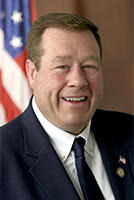
2025 Regular Session Introduced by Chris Tague

A ceremonial resolution mourning Michael J. Overbaugh and honoring his public service, offering condolences to his family, and recording an official tribute in the legislature.

ADOPTED
0
WeVote Research Nonpartisan
Bill Summary · K 355

Summary of Bill K 355 — Mourning the death of Michael J. Overbaugh

Overview

Bill K 355 is a ceremonial resolution introduced to mourn the death of Michael J. Overbaugh and to recognize him as a distinguished citizen and devoted member of his community. The measure is classified as a resolution rather than a piece of substantive legislation.

Purpose and Intent

  • Honor the life and public service of Michael J. Overbaugh.
  • Express condolences to his family and acknowledge his contributions to the community.
  • Provide an official tribute within the legislative record recognizing his character and impact.

Key Provisions

  • A formal statement mourning Michael J. Overbaugh’s passing.
  • A tribute highlighting his status as a distinguished citizen and a devoted community member.
  • Expressions of sympathy from the legislature.
  • Potential directives common to resolutions of this type, such as transmitting copies of the resolution to the family and relevant community organizations, and recording the tribute in official proceedings. (Note: the exact text of the provisions is not provided, but these are typical elements of such resolutions.)

Sponsor

  • Primary Sponsor: Chris Tague

Status and Timeline

  • Introduced: April 16, 2025
  • Adopted: April 17, 2025
  • Legislative actions indicate a swift passage from introduction to adoption (one-day interval in this record).

Who and What Is Affected

  • Michael J. Overbaugh and his immediate family are the primary subjects of the memorial.
  • The measure affects the Legislature and its official records, providing a formal, public remembrance.
  • The broader community benefits from a documented recognition of his contributions and character.

Impact and Practical Effects

  • This is a ceremonial resolution; it does not create legal obligations, new policy, or fiscal requirements.
  • The resolution serves as an official acknowledgment and public tribute, contributing to the historical record of the community’s recognition of its members.

Notes

  • The bill’s content is focused on mourning and tribute rather than policy change.
  • As a resolution, its primary function is to memorialize and acknowledge contributions rather than to alter laws or programs.

Compiled from official sources — confirm details with the bill’s official record.

Sign in to ask a question.