

WeVote

Bill

Bill

HR 9413

Military Family Limb Loss Support Act

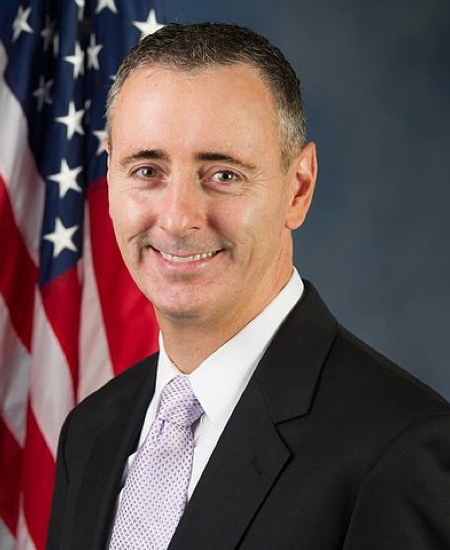
119th Congress Introduced by Brian Fitzpatrick and 1 co-sponsor

Establishes the DoD Military Family Limb Loss and Limb Difference Support Program (from FY2028) offering peer mentoring, education, and community reintegration for affected familie

Introduced in House
0
WeVote Research Nonpartisan
Bill Summary · HR 9413

Summary of HR 9413 (Session 119) – Military Family Limb Loss Support Act

Purpose and intent

  • Establish a dedicated program within the Department of Defense to support military families affected by limb loss or limb differences.
  • The program, titled the Military Family Limb Loss and Limb Difference Support Program, aims to augment holistic rehabilitative care through nonclinical supports such as peer mentoring, education, and community outreach.

Key provisions and changes

  • Establishment and scope (Section 2(a)): Beginning in fiscal year 2028, the Secretary of Defense must create the Military Family Limb Loss and Limb Difference Support Program (the “Program”) to bolster holistic rehabilitative care for covered beneficiaries.
  • Program activities (Section 2(b)): The Program shall include:
    • Peer mentorship and family support services
    • Education related to limb loss care and services
    • Community reintegration supports
    • Coordination of nonclinical resources
    • Outreach and awareness activities
    • Additional activities as the Secretary deems appropriate
  • Partnerships (Section 2(c)): The Secretary may form cooperative agreements or contracts with organizations experienced in providing the described activities in virtual or in-person formats, serving individuals with limb loss or limb differences, including pediatrics, military, and veteran populations.
  • Implementation plan (Section 2(d)): Within 180 days after enactment, the Secretary must submit an implementation plan to the Armed Services Committees detailing:
    • Process for selecting and entering into partnerships
    • Estimated costs and staffing needs
    • Assessment of existing DoD resources and programs’ ability to support the Program
    • Performance metrics to evaluate effectiveness
    • Integration with military health system research efforts to improve care quality, access, and outcomes
  • Reporting requirements (Section 2(e)): Starting one year after implementation and annually for three years, the Secretary must report to the Armed Services Committees on:
    • Demographics and numbers of covered beneficiaries served
    • Services provided and partnerships established
    • Gaps in services or geographic coverage
    • Recommendations for legislative or administrative action to improve support for affected military families
  • Covered beneficiaries (Section 2(f)): Defines “covered beneficiary” as:
    • An individual who has experienced limb loss or limb difference
    • Who is a dependent of a member or retired member of the Armed Forces, or otherwise eligible for health care under 10 U.S.C. chapter 55, as deemed appropriate by the Secretary

Who and what is affected

  • Beneficiaries: Military members, veterans, and their families impacted by limb loss or limb differences (including dependents and eligible individuals under DoD health care programs).
  • Organizations: Nonprofit, clinical, and other organizations with experience in limb loss support may partner with DoD to deliver program activities.
  • DoD and military health system: Requires planning, coordination, and integration of nonclinical supports with existing health care research and services.

Procedural and timeline aspects

  • Enactment timeline: Program establishment is mandated to begin in fiscal year 2028.
  • Implementation plan deadline: A plan must be submitted within 180 days after enactment.
  • Reporting cadence: Annual reports for three years, starting one year after the program is implemented.
  • Legislative oversight: Regular reporting to the Senate and House Armed Services Committees.

Notes

  • The bill emphasizes nonclinical, supportive services alongside traditional medical care, focusing on peer support, education, and community integration to enhance overall well-being and outcomes for families affected by limb loss or limb differences.
  • Specific funding levels, governance structure, and performance metrics would be clarified through the implementation plan and subsequent oversight.

Compiled from official sources — confirm details with the bill’s official record.

Sign in to ask a question.