

WeVote

Bill

Bill

HB 4999

MHDD CD-DISCLOSURE EXCEPTION

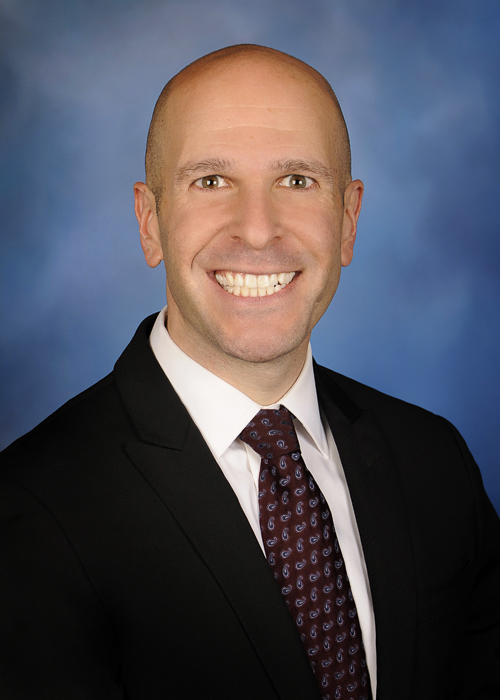
104th Regular Session Introduced by Bob Morgan

HB4999 strengthens reporting of clear and present danger to DHS/ISP within 24 hours while protecting reporter anonymity and aligning disclosures with FOID Act procedures for firear

0
WeVote Research Nonpartisan
Bill Summary · HB 4999

Summary of HB4999 (Illinois, 104th General Assembly)

Purpose and intent

HB4999 amends the Mental Health and Developmental Disabilities Code and the Mental Health and Developmental Disabilities Confidentiality Act to modify how information is reported, disclosed, and protected when a person is determined to pose a clear and present danger. The bill emphasizes confidentiality of reporter identities and expands the context in which information may be disclosed to support firearm-related background checks and public safety.

Key provisions and changes

  • Clear and present danger reporting (Section 6-103.3, 405 ILCS 5):

    • When a licensed professional (physician, clinical psychologist, advanced practice psychiatric nurse, or qualified examiner), or a school administrator, determines a person poses a clear and present danger to themselves or others, they must notify the Department of Human Services (DHS) and, for school administrators, notify the Illinois State Police within 24 hours.
    • DHS must update its records promptly and may notify the Illinois State Police in a form prescribed by the ISP.
    • Information disclosed remains privileged and confidential and may only be redisclosed as permitted under the Firearm Owners Identification Card Act (FOID Act) or used for authorized purposes.
    • The identity of the reporter shall not be disclosed to the subject of the report unless ordered by the FOID Card Review Board or a court, aligning with FOID Act procedures.
    • Immunity: Reporters and their employers are shielded from criminal, civil, or professional liability for making or not making the notification, except in cases of willful or wanton misconduct. DHS and its employees/agents have immunity from damages linked to disclosure/non-disclosure under FOID Act procedures.
    • Definitions: Clarifies terms such as “clear and present danger,” “school administrator,” and the scope of reporting relationships.
  • Confidentiality and FOID-related disclosures (Section 12, 740 ILCS 110/12):

    • When the U.S. Secret Service or Illinois State Police request information to protect a public official or a person under federal protection, limited information may be disclosed (recipient name, address, age, admission/discharge dates, and indicators of violence risk). Disclosures are for investigative purposes only and must not be publicly disseminated.
    • Immunity for good-faith disclosures; the identity of the reporter remains protected.
    • DHS and hospitals/facilities must furnish information to determine firearm eligibility (disqualification from FOID card or federal prohibitions) within specified timeframes, following FOID Act requirements.
    • Mandatory reporting timing: certain disclosures must occur within 24 hours (or within 7 days for specific developmental disability determinations), with confidential handling and immunity provisions for those reporting.
    • Providers must follow state timeframes that align with firearm delivery laws (Criminal Code 2012 timing references) and may use centralized lists to identify disqualified individuals.
    • Definitions mirror FOID Act terms (e.g., “patient,” “public official”) for consistency.
  • Routine law enforcement information sharing (Sections 6-103.3(c)-(d)):

    • Facility directors must provide certain information to peace officers upon reasonable requests related to custody transport, ongoing investigations, or valid warrants, with immunity for good-faith disclosures.

Who is affected

  • Mental health and developmental disability professionals (physicians, clinical psychologists, advanced practice nurses, qualified examiners) and school administrators involved in determining clear and present danger.
  • The Department of Human Services (DHS) and its employees/agents.
  • Law enforcement agencies (Illinois State Police and local police) and FOID-related processes.
  • Mental health facilities and hospitals subject to confidential handling and reporting requirements.
  • Individuals identified as posing a clear and present danger, including patients and those under facility care, with protections for reporter anonymity unless legally ordered.

Procedural and timeline aspects

  • Mandatory notification to DHS and ISP within 24 hours of danger determination (and specified timelines for developmental disability determinations and patient admissions).
  • Confidentiality protections: disclosures limited to what is necessary and permitted by FOID Act provisions; reporter identities protected unless ordered.
  • Immunity provisions for reporters, DHS, and facilities involved in disclosures, barring willful or wanton misconduct.
  • Potential use of centralized information lists to support FOID determinations and firearm eligibility, with timeframes tied to firearms delivery statutes.

This bill thereby strengthens reporting obligations regarding dangerousness while enhancing confidentiality around reporter identities and aligning disclosures with FOID Act procedures to support firearm-related risk management.

Compiled from official sources — confirm details with the bill’s official record.

Sign in to ask a question.