

WeVote

Bill

Bill

HF 2143

Mental illness definition modified, changes to medical assistance transportation reimbursement rates made, grant program for children at risk of bipolar disorder established, report required, children's first episode of psychosis program funding provided, and money appropriated.

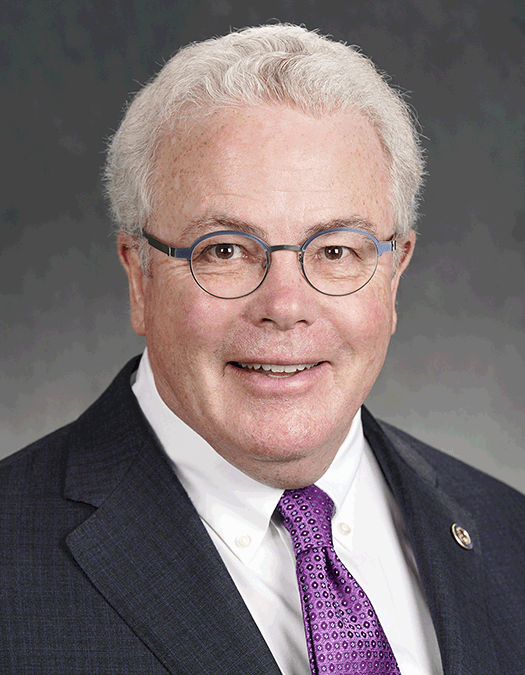
2025-2026 Regular Session Introduced by Ned Carroll and 12 co-sponsors

Provides funding and programs to improve early mental health intervention for youth, including first-episode psychosis care, bipolar risk grants, and updated mental illness definit

Author added Pursell
0
WeVote Research Nonpartisan
Bill Summary · HF 2143

Summary of HF 2143 (Minnesota, 2025-2026)

Purpose and overall intent

HF 2143 proposes a package of changes aimed at improving identification, treatment, and support for individuals with mental illness, particularly children and youth. The bill:

  • Modifies the definition of mental illness in relevant programmatic contexts.
  • Adjusts reimbursement rates for medical transportation under Medical Assistance (MA).
  • Establishes a grant program for children at risk of bipolar disorder.
  • Requires an accompanying report on related issues.
  • Provides funding for a program addressing the first episode of psychosis in children and youth.
  • Includes a general appropriation to fund these initiatives.

The overarching goal is to enhance access to mental health services, support early intervention, and ensure proper funding and accountability for related programs.

Key provisions and changes

  1. Mental illness definition modification

    • Recasts the statutory definition of mental illness used within state programs, potentially broadening or clarifying eligibility criteria for services and supports under MA and related services.
  2. Medical Assistance transportation reimbursement rates

    • Adjusts reimbursement rates for MA-covered transportation services. These changes may affect:
      • How transportation providers are compensated.
      • Access to non-emergency medical transportation for MA beneficiaries.
      • Potential implications for scheduling and availability of ride services for medical appointments.
  3. Grant program for children at risk of bipolar disorder

    • Creates a grant program aimed at early identification, prevention, or care coordination for children who may be at risk of developing bipolar disorder.
    • Grants may support services such as screening, family education, care coordination, and early intervention strategies.
    • Details (e.g., eligibility, grant amounts, administration) would be specified in implementing language.
  4. Required report

    • Requires the preparation and submission of a report related to the bill’s provisions. Likely topics include implementation status, impact assessments, and recommendations for future policy changes.
  5. Children’s first episode of psychosis program funding

    • Provides state funding to support programs targeting youth experiencing their first episode of psychosis.
    • Aims to reduce the duration of untreated psychosis, improve long-term outcomes, and coordinate care among providers (e.g., early intervention in psychosis programs).
  6. General appropriation language

    • Allocates funds to cover the above initiatives, subject to appropriation processes and timelines.

Who is affected

  • MA beneficiaries and transportation providers: Changes to MA transportation reimbursement rates may affect eligibility, access, and payment for non-emergency medical transportation.
  • Children and families: Those at risk of bipolar disorder or experiencing early psychosis may benefit from targeted prevention, early intervention, and care coordination services provided by grants and funded programs.
  • Mental health service providers and organizations: Grant programs and first-episode psychosis funding create opportunities for new or expanded services, partnerships, and care models.
  • State programs and agencies: Implementation and administration of revised mental illness definitions, grant programs, reporting, and funding require coordination across health, human services, and mental health agencies.

Timeline and procedural notes

  • Introduction and first reading occurred on March 10, 2025, with referral to the House committee: Human Services Finance and Policy.
  • Subsequent action dates show amendments to authors and continued sponsorship activity, indicating ongoing committee consideration.
  • The bill includes an explicit reporting requirement, suggesting a formal deliverable to the legislature once implemented.
  • Any financial appropriations would follow Minnesota’s budget and appropriations process, subject to committee actions and floor votes.

If you’d like, I can tailor this summary to focus on a particular audience (e.g., providers, policymakers, or general public) or add a comparison to existing Minnesota statutes to highlight the exact changes in definitions and funding.

Compiled from official sources — confirm details with the bill’s official record.

Sign in to ask a question.