

WeVote

Bill

Bill

SB 1393

MEDICAID-MFTD-NURSING SERVICES

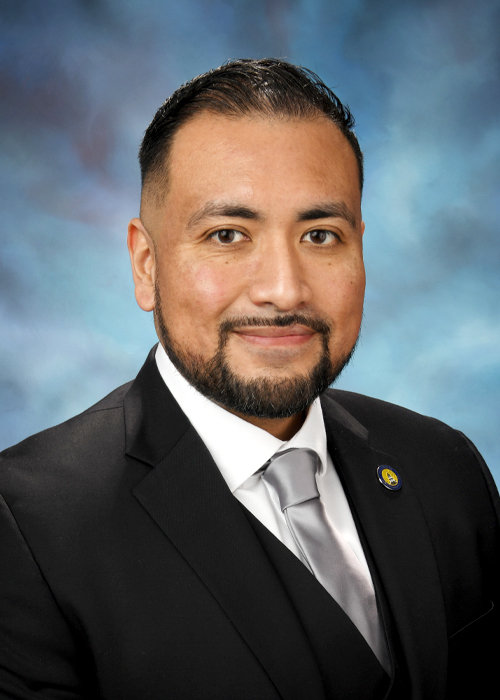
104th Regular Session Introduced by Javier Cervantes

The bill raises Medicaid nursing reimbursement for medically fragile, tech‑dependent kids to 20% higher (2024), then 7% (2025) and 3.5% (2026), subject to federal approval.

Rule 3-9(a) / Re-referred to Assignments
0
WeVote Research Nonpartisan
Bill Summary · SB 1393

Summary — SB 1393 (Illinois) — "Medicaid — Medically Fragile & Technology‑Dependent (MFTD) Children: Nursing Reimbursement"

Status: Introduced Jan 29, 2025 (Sen. Javier L. Cervantes). Amends: 305 ILCS 5/5‑2b (Illinois Public Aid Code). Effective: upon becoming law. Subject to federal approval where noted. Companion: HB 1074.

Purpose / Intent

To increase Medicaid reimbursement rates for nursing services provided to medically fragile and technology‑dependent children so as to support access to community‑based nursing care (including private duty nursing) and to better compensate providers who deliver Nursing and Personal Care Services to these children.

Key provisions

  • Amends Section 5‑2b of the Illinois Public Aid Code to set specific percentage increases to nursing reimbursement rates for children eligible for medical assistance who are medically fragile and technology dependent.
  • Reimbursement increases (all “subject to federal approval”):
    • Effective on and after January 1, 2024: rates are 20% higher than the nursing rates in effect on December 31, 2023.
    • Effective on and after January 1, 2025: rates are 7% higher than the nursing rates in effect on December 31, 2024.
    • Effective on and after January 1, 2026: rates are 3.5% higher than the nursing rates in effect on December 31, 2025.
  • Applies to:
    • Nursing paid through Nursing and Personal Care Services for non‑waiver customers; and
    • Providers of private duty nursing services for children eligible for medical assistance.

Who is affected

  • Primary beneficiaries: Medicaid‑eligible medically fragile and technology‑dependent children (and their families), who may experience improved access to nursing care.
  • Providers: Registered nurses, home health agencies and private duty nursing providers serving these children — will receive higher Medicaid reimbursement rates.
  • Illinois Medicaid program / State budget: Higher reimbursement rates will increase Medicaid expenditures; a portion of costs may be matched by federal Medicaid funds subject to CMS approval.

Procedural / administrative notes

  • The rate changes are explicitly conditioned on federal approval where Medicaid state plan or waiver amendments are required.
  • The bill amends existing statutory authority for the medically fragile/technology‑dependent children program; it does not create new program eligibility categories.
  • Effective date language: the act takes effect upon becoming law; however the statutory rate changes are keyed to the calendar dates indicated (Jan 1, 2024; Jan 1, 2025; Jan 1, 2026).
  • Sponsor (as filed): Sen. Javier L. Cervantes. Assigned to relevant legislative committees (e.g., Appropriations — Health & Human Services).

Potential impacts

  • Provider financial impact: immediate increase in reimbursement rates makes provision of complex pediatric nursing more financially sustainable, which could increase provider participation and availability of home‑based nursing.
  • Program costs: upward pressure on Medicaid spending for this population; ultimate net cost depends on federal matching and any offsetting program changes.
  • Access/outcomes: potential improvement in continuity of community‑based care and reduced institutionalization if adequate provider capacity results.

If you want, I can: (1) extract the exact statutory language to be added to 305 ILCS 5/5‑2b, (2) estimate fiscal impact ranges based on utilization assumptions, or (3) track current committee/status updates and any federal approvals required.

Compiled from official sources — confirm details with the bill’s official record.

Sign in to ask a question.