

WeVote

Bill

Bill

A 1076

Mandates that purchasers of new vehicles complete a form authorizing or rejecting the placement of a tracking device in such vehicle, to be used by law enforcement if such vehicle is reported stolen

2025 Regular Session Introduced by Marianne Buttenschon

New-vehicle buyers must sign a form to authorize or reject a vehicle-tracking device for police use to recover stolen vehicles.

REFERRED TO TRANSPORTATION
0
WeVote Research Nonpartisan
Bill Summary · A 1076

Summary of New York Assembly Bill A-1076

Overview

  • Bill Number: A 1076
  • Title / Intent: Requires purchasers of new vehicles to complete a form authorizing or rejecting the placement of a tracking device in the vehicle, with the device to be used by law enforcement if the vehicle is reported stolen.
  • Status: Referred to the Transportation Committee
  • Introduced: January 8, 2025
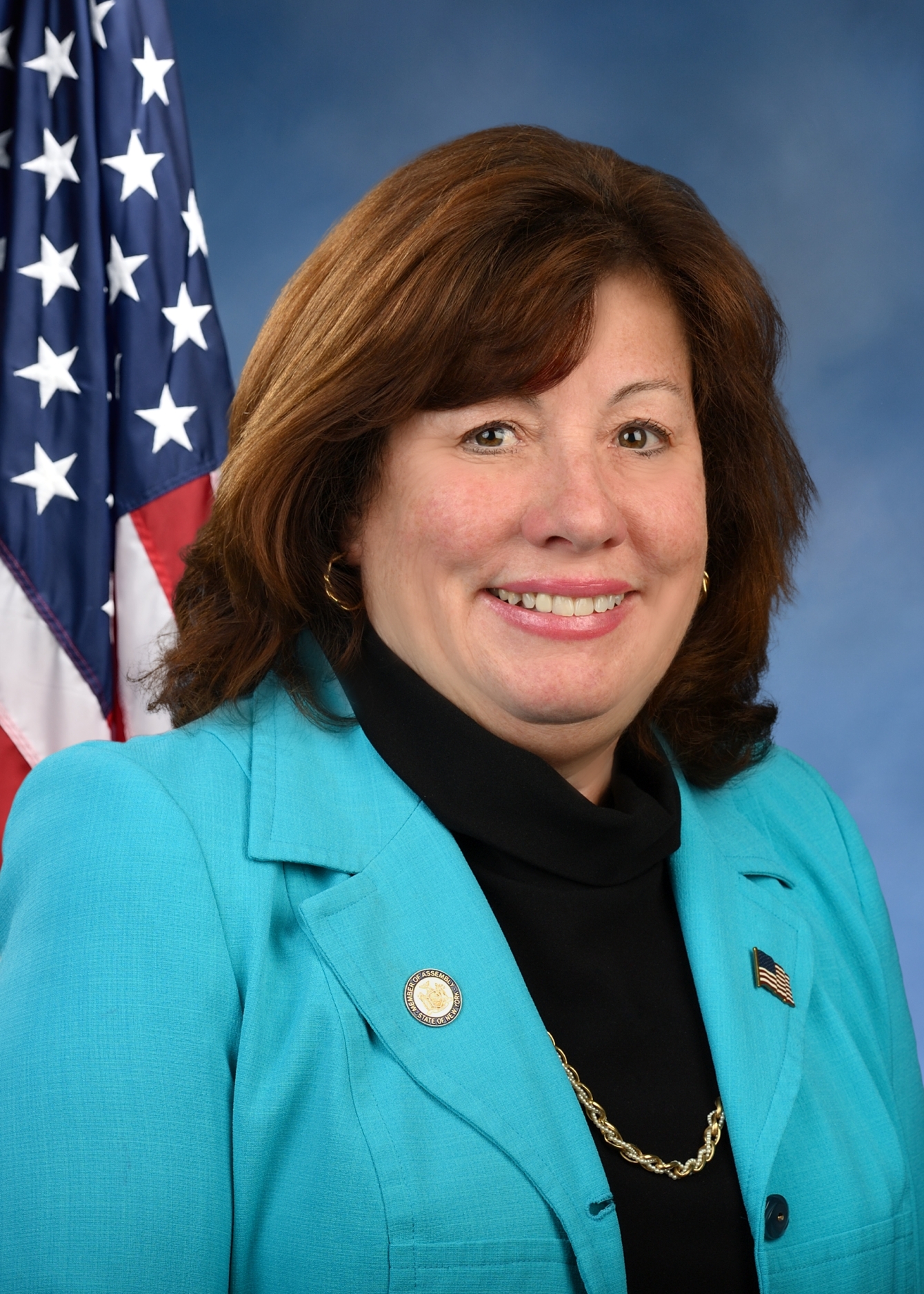
  • Primary Sponsor: Assembly Member Marianne Buttenschon
  • Related Legislation: A 10102 (prior-session)

Purpose and Intent

The bill aims to give purchasers of new vehicles a clear, affirmative choice regarding whether a vehicle-tracking device may be installed and used by law enforcement if the vehicle is stolen. The core objective is to balance theft recovery capabilities with consumer awareness and consent considerations, by making the tracking decision explicit at the point of purchase.

Key Provisions (as introduced)

  • Mandatory Form at Purchase: Dealers would require the buyer of a new vehicle to complete a form indicating either authorization of, or rejection of, installation of a vehicle-tracking device.
  • Use by Law Enforcement: If a tracking device is authorized, law enforcement could use the device to locate the vehicle if it is reported stolen.
  • Scope: Applies to purchasers of new vehicles. The language as introduced does not specify applicability to used vehicles.
  • Recordkeeping and Administration: While not detailed in the summary, the bill would typically require the form to be maintained as part of the vehicle’s purchase records, and to outline the process for notification and privacy considerations (exact requirements would be in the final text).

Note: The precise statutory language, definitions, and any exceptions or penalties would be clarified in the bill’s text if/when it progresses.

Affected Parties

  • New Vehicle Purchasers: Individuals buying new vehicles would make an explicit opt-in or opt-out decision regarding tracking.
  • Dealerships and Manufacturers: Retailers and manufacturers would implement the form at sale, manage records, and coordinate with law enforcement as needed.
  • Law Enforcement: Could utilize the tracking device for stolen vehicle recovery where consent is given.
  • Privacy and Consumer-Protection Stakeholders: May scrutinize the balance between theft deterrence/recovery and consumer privacy.

Procedural and Timeline Aspects

  • Current Stage: Referred to the Transportation Committee; no further actions listed in the provided record.
  • Timeline: As introduced, there is no specified effective date; any implementation timeline would be determined in the committee and final enacted bill.
  • Next Steps: The Transportation Committee would review, possibly amend, and decide whether to send the bill to the floor for a full chamber vote. If advanced, the bill would undergo additional hearings and voting in the Assembly and Senate, followed by potential gubernatorial action.

Potential Impacts and Considerations

  • Privacy vs. Theft Recovery: The bill foregrounds consumer consent, but raises questions about how tracking data is stored, who can access it, and how long it is retained.
  • Costs and Logistics: Dealers and manufacturers may incur costs to implement the form, modify sale paperwork, and maintain tracking-authorization records.
  • Technology and Coverage: Effectiveness depends on the availability and reliability of tracking devices; not all new vehicles may be equally compatible with such devices.
  • Equity and Access: Consideration of whether all buyers have equal ability to opt in/out and understand the implications.

Observations

  • The bill aligns with a broader policy trend toward informed consent for optional or government-facilitated tools in consumer products.
  • It builds on prior-session concepts, as indicated by the related A 10102.

Next Steps for Readers

  • Track the bill’s progress in the Assembly Transportation Committee for potential amendments.
  • Review the final bill text to understand precise definitions (e.g., “tracking device,” “authorization,” “rejection,” data handling, penalties, and any exemptions).
  • Consider public comments or analysis from consumer privacy groups and automotive industry stakeholders as the bill advances.

Compiled from official sources — confirm details with the bill’s official record.

Sign in to ask a question.